
Friday, October 30, 2026Oct 30

This story is free to read.

Crews fight fire at Stanford linear accelerator

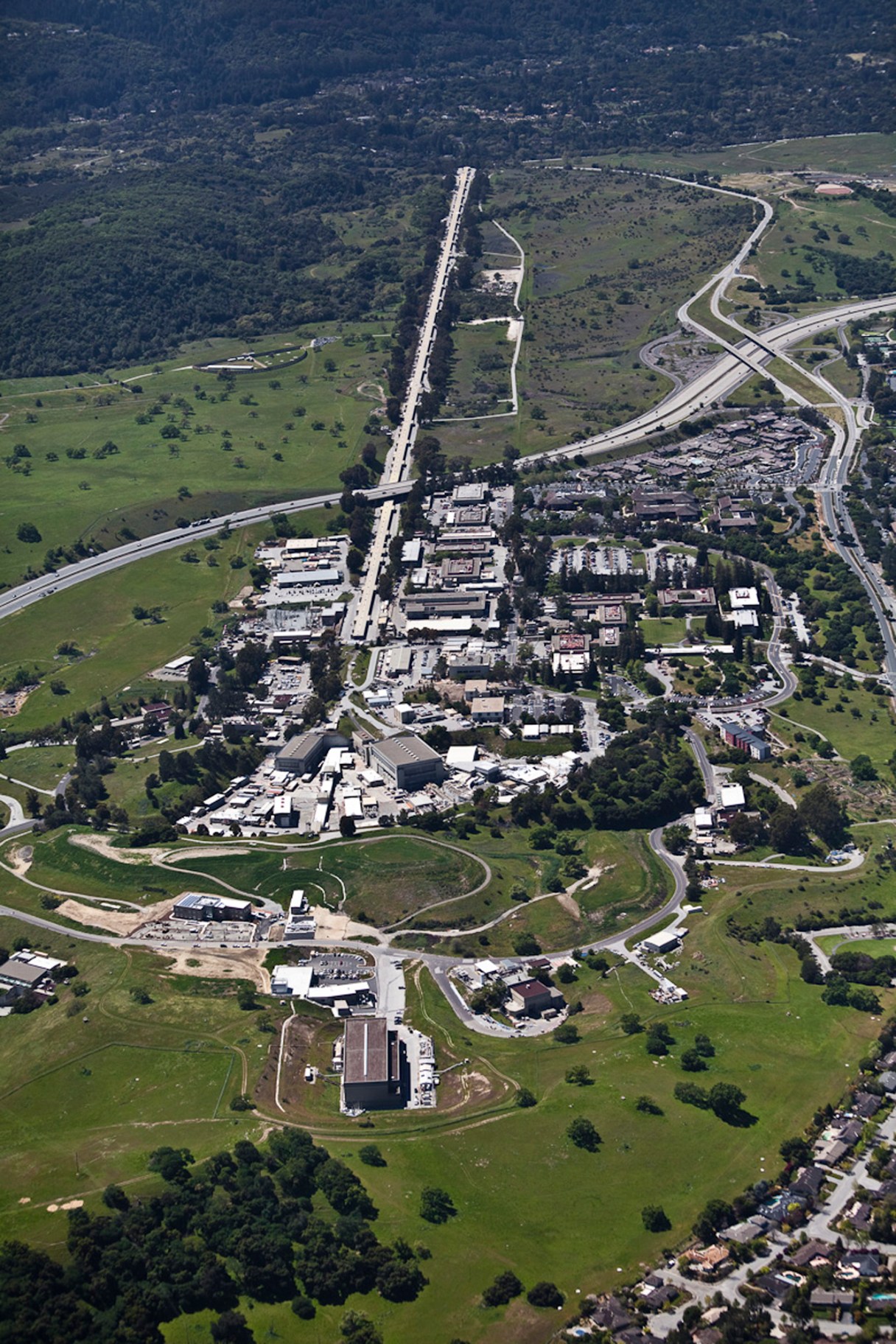
This undated image provided by the SLAC National Accelerator Laboratory shows an aerial view of the SLAC site, looking west. Authorities say a smoky fire at the Stanford Linear Accelerator late Wednesday evening June 25, 2014 forced the closure of the nearby interstate, but the blaze didn't cause any injuries or pose a threat to the public. (AP Photo/SLAC National Accelerator Laboratory)
This undated image provided by the SLAC National Accelerator Laboratory shows an aerial view of the SLAC site, looking west. Authorities say a smoky fire at the Stanford Linear Accelerator late Wednesday evening June 25, 2014 forced the closure of the nearby interstate, but the blaze didn't cause any injuries or pose a threat to the public. (AP Photo/SLAC National Accelerator Laboratory) This undated image provided by the SLAC National Accelerator Laboratory shows an aerial view of the SLAC site, looking west. Authorities say a smoky fire at the Stanford Linear Accelerator late Wednesday evening June 25, 2014 forced the closure of the nearby interstate, but the blaze didn't cause any injuries or pose a threat to the public. (AP Photo/SLAC National Accelerator Laboratory)

MENLO PARK, Calif. (AP) – Authorities say a smoky fire at the linear accelerator facility at Stanford University affected traffic on a nearby interstate, but the blaze didn’t cause any injuries or pose a threat to the public.

The report came into the Menlo Park Fire Department shortly before 10 p.m. PDT Wednesday from the SLAC National Accelerator Laboratory, which studies particle physics and radiation science.

Menlo Park Fire Chief Harold Schapelhouman says heavy black smoke from the two-mile long accelerator structure under Interstate Highway 280 affected traffic on the roadway.

He says crews first shut down the affected area of the accelerator and then used suppression units against the fire.

The blaze was brought under control about 10:30 or about 45 minutes after it was reported.