
TUNIS, Tunisia (AP) – Tunisia is revamping its draconian drug laws, which have been condemned for having minimum sentences of at least a year and not distinguishing between hard and soft drugs.
The changes are part of Tunisia’s efforts to democratize after its 2011 revolution that ousted former dictator Zine El Abidine Ben Ali and sparked a string of anti-government movements across North Africa known as the Arab Spring.
To many, Tunisia’s Law 52 is a relic of 23 years of a vicious police state under Ben Ali, when police operated with impunity and used it to settle scores against opponents.
More than half the 25,000 inmates in this nation of 11 million are in prison on drug offenses. According to a 2013 U.N. report, prisons in Tunisia are overcrowded, with some facilities at 150 percent of capacity.
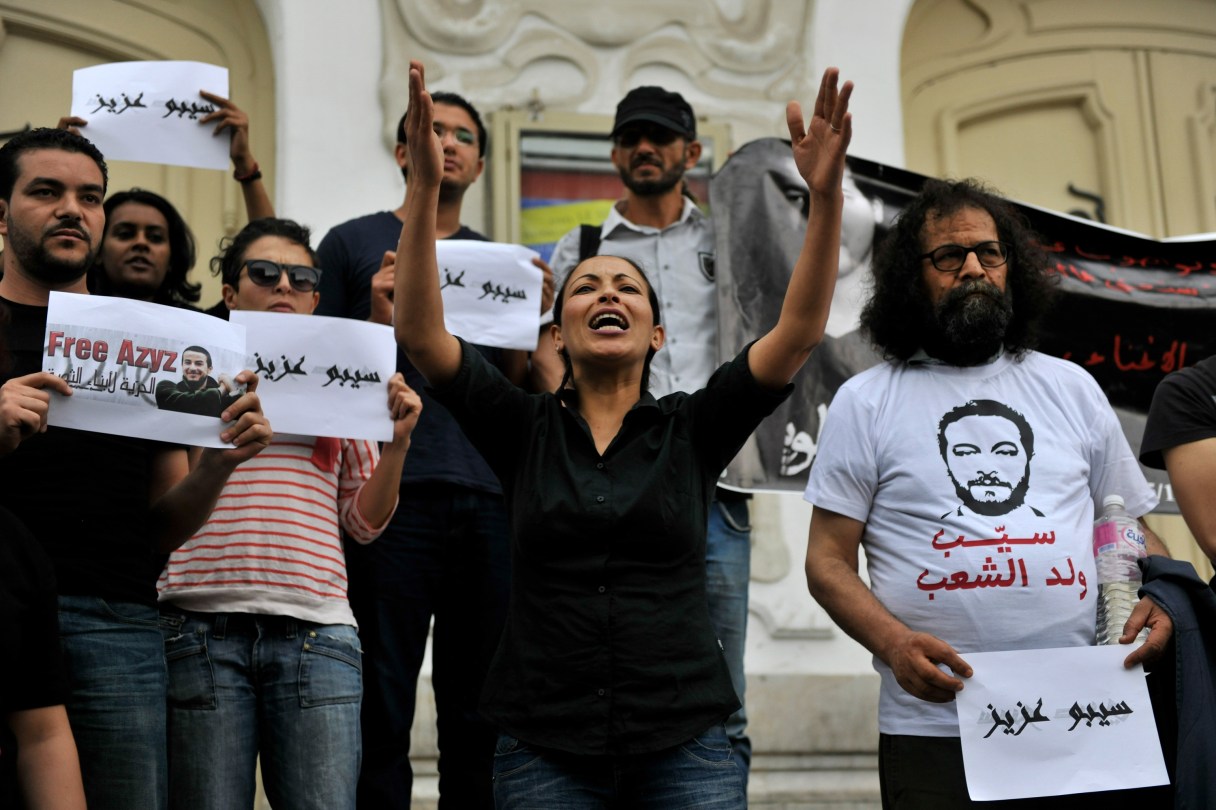
The revamp came after the arrest of a prominent blogger known for his activism during the revolution. No less than the interim prime minister, Mehdi Jomaa, said after the May 13 arrest of blogger Aziz Amami that he was a good man, and the law was “out of sync” with daily realities. His case was later dismissed on procedural grounds, although the prosecutor has appealed the verdict.