
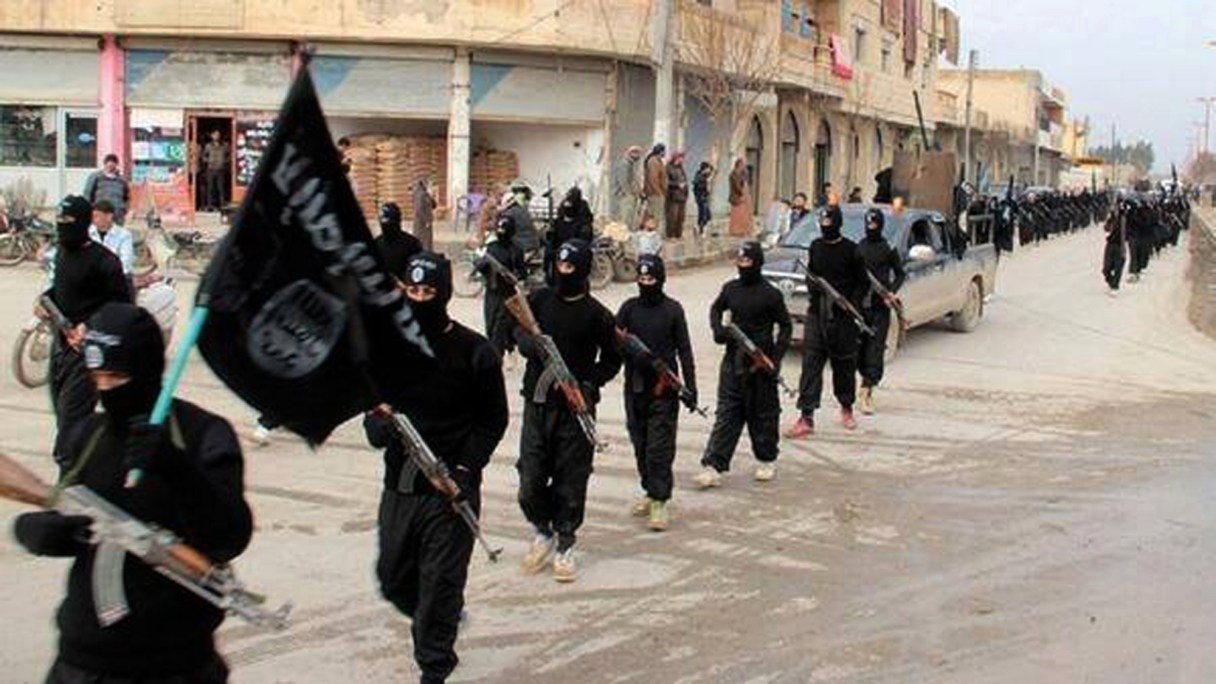
BEIRUT (AP) – The Syrian rebels that the U.S. now wants to support are in poor shape, on the retreat from the radical al-Qaida breakaway group that has swept over large parts of Iraq and Syria, with some rebels giving up the fight. It is not clear whether the new U.S. promise to arm them will make a difference.
Some, more hard-line Syrian fighters are bending to the winds and joining the radicals.
The Obama administration is seeking $500 million to train and arm what it calls “moderate” factions among the rebels, a far larger project than a quiet CIA-led effort in Jordan that has been training a few hundreds fighters a month. But U.S. officials say it will take year to get the new program fully underway. The U.S. also faces the difficult task of what constitutes a “moderate” rebel in a movement dominated by Islamist ideologies.
Opposition activists complain that after long hesitating to arm the rebellion to topple Syrian President Bashar Assad – their main goal – the United States is now enlisting them against the Islamic State out of its own interests. They have long argued that the group, which aims to create a radical Islamic enclave bridging Syria and Iraq, was only able to gain such power in Syria because more moderate forces were not given international support.
“This decision is a year and a half too late,” said Ahmad Ramadan, a senior member of the Western-backed Syrian National Coalition opposition group. “Had it not been for Obama’s hesitation all along, this wouldn’t be happening in Iraq today nor would there be this proliferation of extremist factions in Syria,” he added.