
Show the kids in your life how to get the most out of both the digital world and terra firma with these tips from the NWF’s report, “Friending Fresh Air: Connecting Kids to Nature in the Digital Age.”
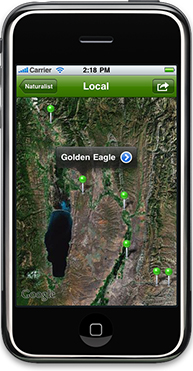
1 Balance tech time with outdoor exploration. Though technology can equip kids with essential 21st century skills, too much screen time can limit a child’s ability to create and communicate. Set this guideline: for every one minute of technology use, a child should spend five minutes doing something else. A 30-minute television show could equal 150 minutes of playtime in Coolidge Park, a stroll on the Riverwalk and a picnic snack.
2 Let technology be your adventure guide. Let your child research the location of your next journey into the wild together-anywhere from a camping site to a hiking trail to a whitewater rafting location. Use your smartphone as a GPS to help you reach your destination, and use the web to help you identify things you find there, like wildlife and rock formations.
3 Capture a digital copy of your experience. If your kid loves the sound of a clicking shutter, supervise them as they Instagram the scenic shots they find outdoors. It could be as simple as a caterpillar crawling along your porch, or as breathtaking as water tumbling over rock at Cloudland Canyon on Lookout Mountain.
4 Set up an outdoor homework or reading station. Experiencing nature isn’t always about an active body-sometimes it’s about an active mind. Grab the Kindle, the laptop or the tablet, spread out a blanket and get some learning going outside.
To view the full report, visit nwf.org/Be-Out-There/Why-Be-Out-There/Balancing-Technology.
Use these apps to enhance your child’s experience in nature:
WildObs By Neukadye
Capture your rendezvous with wildlife, discover the species that live in your area and research different kinds of wildlife by name. Free.
MyNature Animal Tracks By MyNature Inc.
Figure out whether those animal tracks are from the neighbor’s dog, or something a little wilder. $6.99
Leafsnap By Columbia University, University of Maryland and Smithsonian Institution
Snap a photo of a leaf you found and learn the type of plant from which it came. Free.