
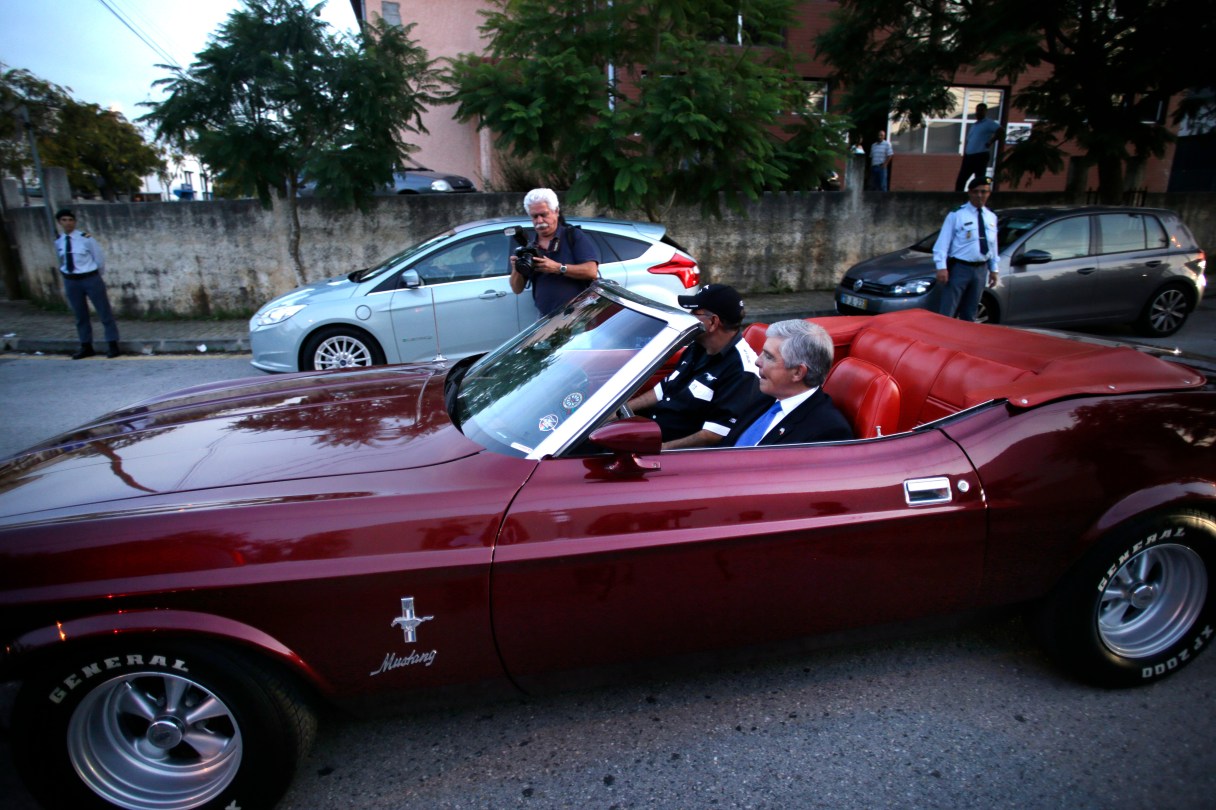
COIMBRA, Portugal (AP) – The American diplomat turns heads when he rides into rural Portuguese towns on a roaring Harley Davidson or behind the wheel of a vintage Ford Mustang, bringing what he says is an important message: the free trade deal being negotiated between the United States and the European Union is nothing to be afraid of.
Robert Sherman, the U.S. Ambassador to Portugal, is using his showmanship and sense of humor on road trips to spread the word about the potential benefits of a project President Barack Obama wants to leave as his legacy in international commerce. The ambassador tells businesses here that doing away with tariffs and red tape will boost their exports to the U.S., create jobs and help propel listless European economies like Portugal’s.
The hope is it will create wealth for more than 800 million people on each side of the Atlantic.
But many Europeans remain skeptical. They worry a deal may erode their cherished laws on environmental protection or labor security. Some say it will open the door to genetically modified “Frankenfood,” surrender power to big corporations, strip away workers’ rights and industry subsidies, and endanger public services. The EU’s new trade chief said recently she was struck by the “intense concern” felt in Europe about what would be the world’s single largest free trade agreement.
Add to that a backlash over U.S. spying and the initial coyness of EU officials in disclosing what was on the negotiating table, and the battle for public opinion is on.