
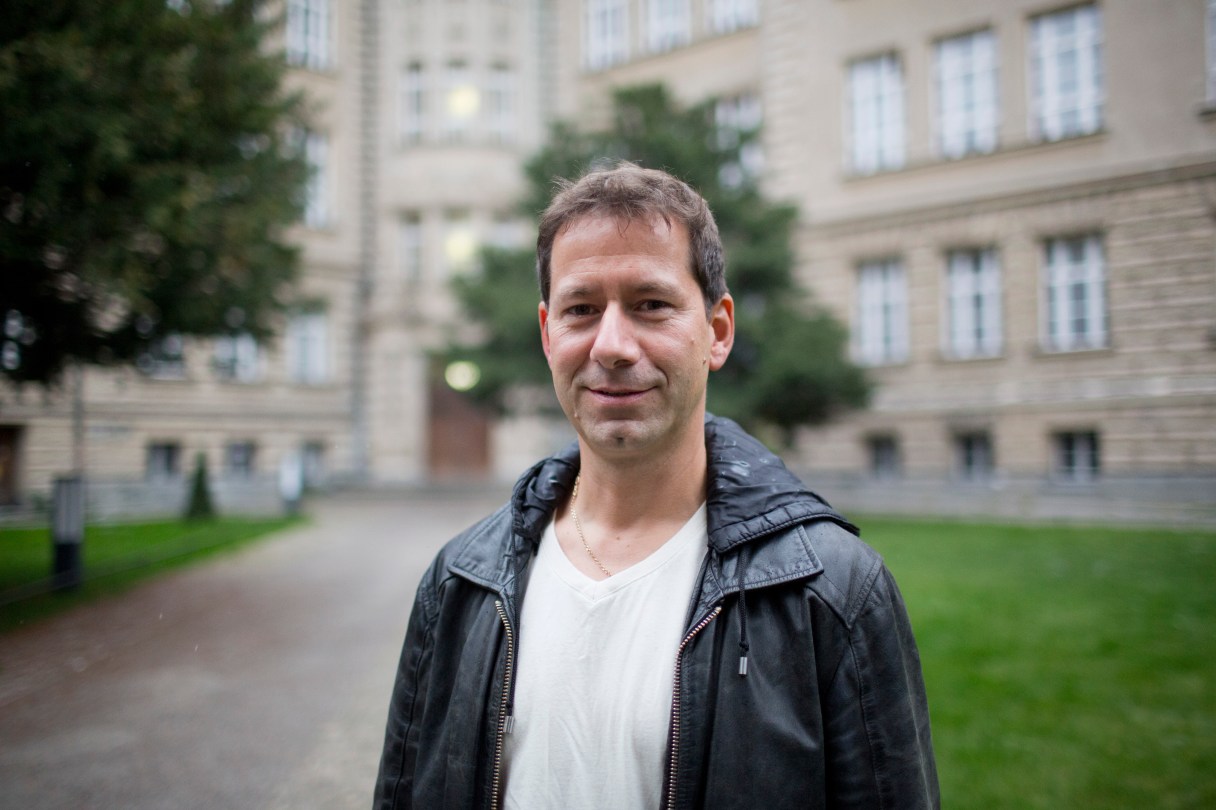
BERLIN (AP) – Kai Feller was 16 when his fellow students put him on trial.
On that early autumn day in 1988, pupils stood up to denounce Feller and seven other troublemakers as “traitors” and “pacifists.” Then the class voted to expel Feller from the official youth movement, membership of which was compulsory for anyone with ambition in communist East Germany.
Before the mass protests that led to the fall of the Berlin Wall, a group of teenagers dared to challenge the system and paid a hefty price. Yet they made their mark on history – inspiring many others, including of their parents’ generation, to follow their example in questioning authority.
In the Kafka-esque world of East Germany, the students were punished for doing precisely what they were told to do: post their views on the bulletin board of a new “Speakers Corner” the elite Carl-von-Ossietzky high school in east Berlin set up near its entrance.
“Even in East Germany we knew that Speakers Corner was the place in London where anyone could say anything,” recalled Philipp Lengsfeld, another of the expelled students. “So we decided to test the limits a bit.”