
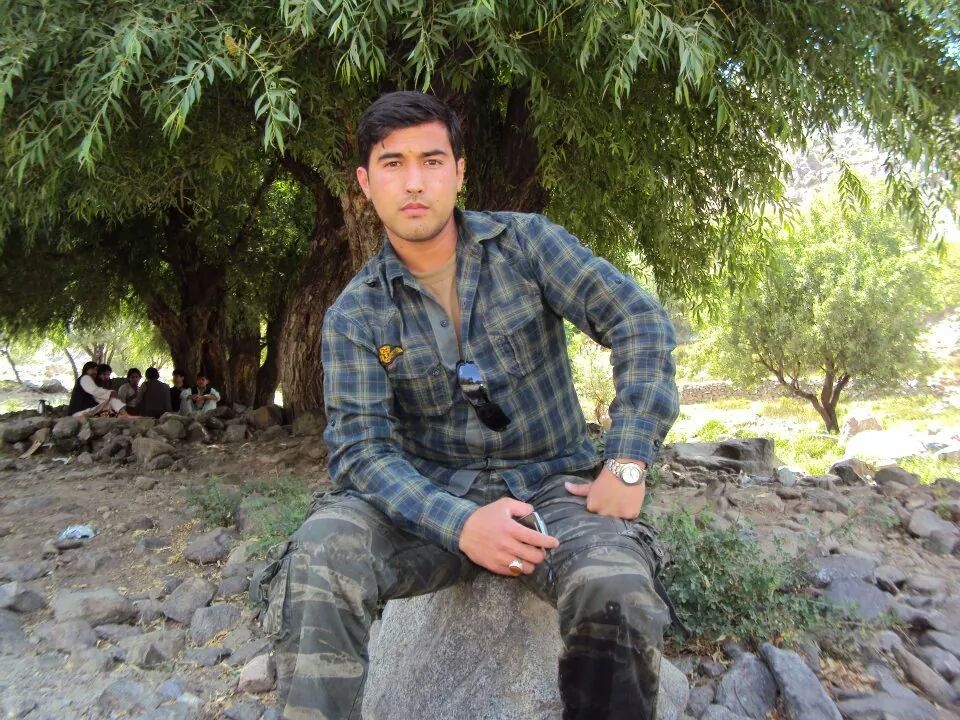
BUFFALO, N.Y. (AP) – Lawyers for one of three Afghan military officers facing deportation after sneaking away from a military training exercise in Massachusetts said he was improperly denied entry into Canada when he arrived at the border seeking refugee status.
Capt. Mohammad Nasir Askarzada has an uncle in Montreal, the attorneys said, which should have made him exempt from a 10-year-old treaty under which he and the other officers apparently were turned away.
Refugee advocates say the case proves some of their worst fears about the 2004 Safe Third Country Agreement, which has dramatically decreased the flow of asylum seekers through the United States into Canada. They say the rules have been applied unevenly and have left some non-criminal claimants, like the Afghan officers, behind bars in the United States and facing life-or-death removal proceedings.
“The rules are so complicated that even lawyers have to keep themselves updated on the changes,” said Askarzada’s Canadian attorney, Razmeen Joya, who is seeking a re-opening of the 28-year-old soldier’s case.
The Safe Third Country Agreement between the United States and Canada requires people seeking asylum at Canada-U.S. land border crossings to apply in whichever country they arrive in first, with some exceptions.