
Friday, November 13, 2026Nov 13

Navy inquiry cites complacency in sub fire

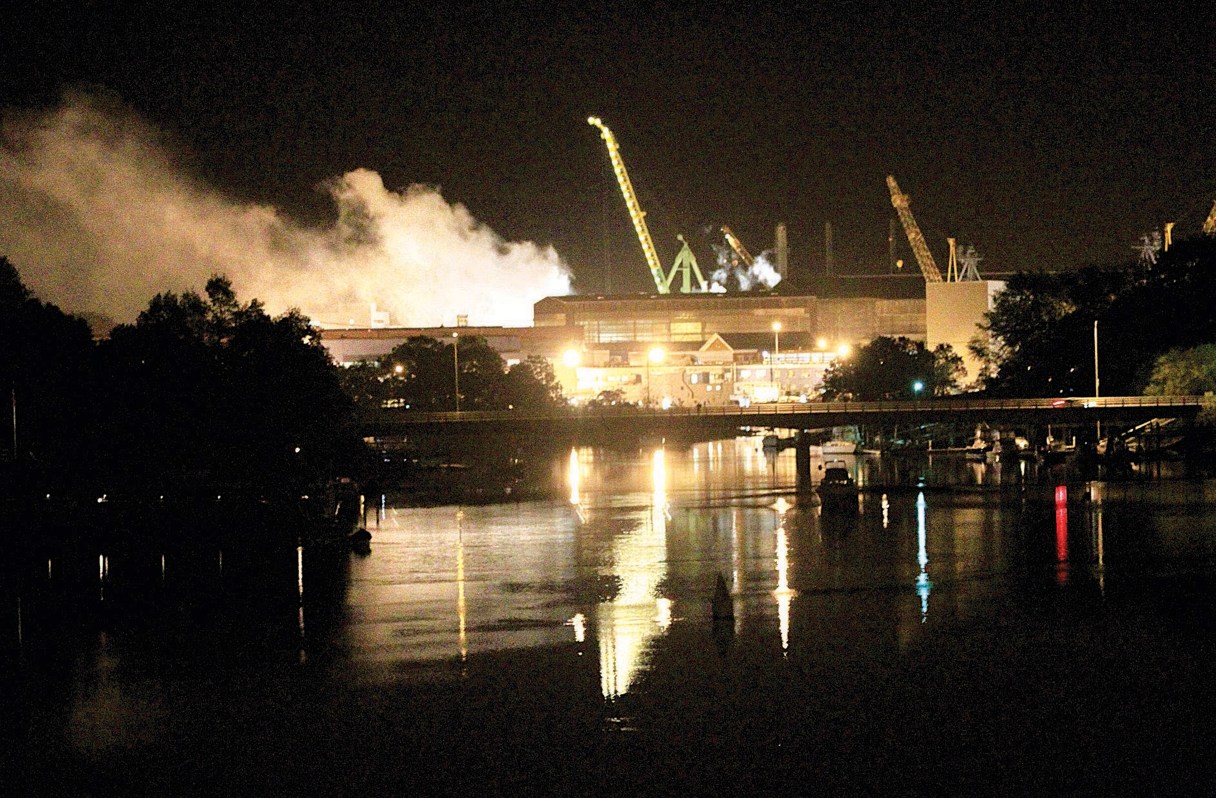
FILE - In this Wednesday, May 23, 2012 file photo, smoke rises from a dry dock as fire crews respond to a fire on the USS Miami submarine (SSN 755) at the Portsmouth Naval Shipyard on an island, in Kittery, Maine. The May 2012 fire that crippled the nuclear submarine showed that the Navy had become complacent about safety in industrial settings and put too much faith in land-based firefighters who had never trained to battle a blaze aboard a submarine, Navy investigators concluded. (AP Photo/The Herald, Ionna Raptis, File)
FILE - In this Wednesday, May 23, 2012 file photo, smoke rises from a dry dock as fire crews respond to a fire on the USS Miami submarine (SSN 755) at the Portsmouth Naval Shipyard on an island, in Kittery, Maine. The May 2012 fire that crippled the nuclear submarine showed that the Navy had become complacent about safety in industrial settings and put too much faith in land-based firefighters who had never trained to battle a blaze aboard a submarine, Navy investigators concluded. (AP Photo/The Herald, Ionna Raptis, File) FILE - In this Wednesday, May 23, 2012 file photo, smoke rises from a dry dock as fire crews respond to a fire on the USS Miami submarine (SSN 755) at the Portsmouth Naval Shipyard on an island, in Kittery, Maine. The May 2012 fire that crippled the nuclear submarine showed that the Navy had become complacent about safety in industrial settings and put too much faith in land-based firefighters who had never trained to battle a blaze aboard a submarine, Navy investigators concluded. (AP Photo/The Herald, Ionna Raptis, File)

PORTLAND, Maine (AP) – Shipyard firefighters and Navy crews participated in 54 fire drills over a three-year period but nothing prepared them for an arson fire that swept through a submarine and burned for hours on end, exhausting firefighters and crippling a $900 million nuclear submarine.

Navy investigators concluded that firefighters needed to spend more time preparing for a worst-case scenario event after the May 2012 fire aboard the USS Miami at the Portsmouth Naval Shipyard.

The Navy says it has learned lessons from the Miami fire.

“We will continue to apply best response practices into shipyard fire emergency plans,” Lt. Timothy Hawkins, a Navy spokesman, said from the Pentagon.

Hundreds of pages of documents obtained by The Associated Press under a Freedom of Information Act request indicated that the Navy was concerned that complacency had set in during shipyard repairs and that shipyard firefighters weren’t as prepared as they needed to be.