
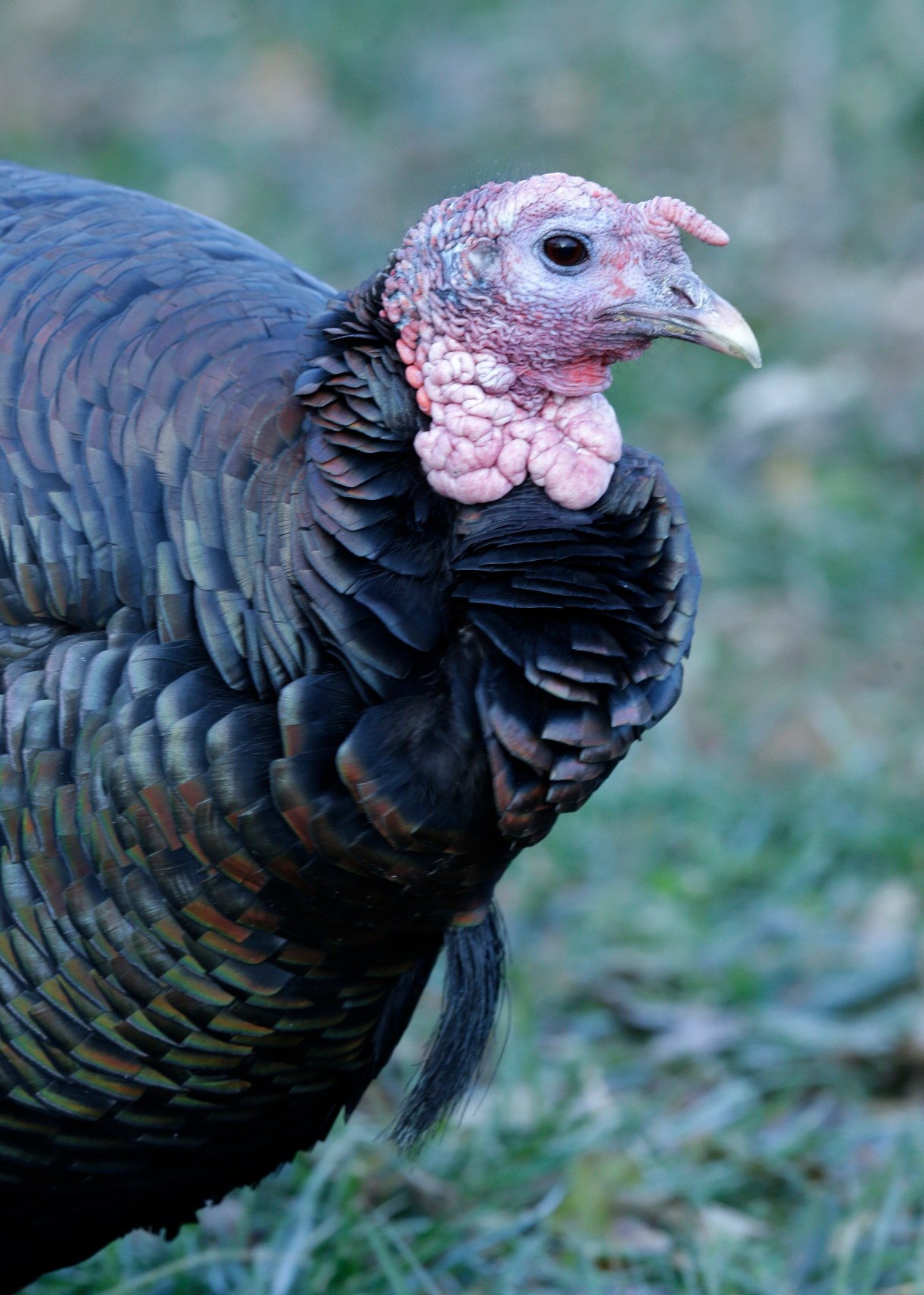
KANSAS CITY, Mo. (AP) – Turkey production is at its lowest level in nearly three decades and wholesale prices are at an all-time high, but Thanksgiving cooks probably won’t see much difference in the price they pay at the stores for their frozen birds.
This year’s anticipated stock is 235 million, according to the U.S. Department of Agriculture’s National Agricultural Statistics Service – the lowest since 1986, when U.S. farmers produced roughly 207 million birds.
While the estimated 2014 number doesn’t indicate a shortage of turkeys, which can remain in cold storage for a year or longer, it does reflect a pullback in recent years by poultry producers who were forced to reduce their flocks to remain afloat.
“Last year was a bloodbath. It was bad,” said John Zimmerman, a farmer in Northfield, Minnesota, who produces about 300,000 turkeys a year. He said scaled back his numbers in recent years because higher feed and transportation prices, among other things, cut into his bottom line. Even the price of soybean meal – which accounts for about 30 percent of turkey feed – is at a historical high, he said.
All areas of livestock production – poultry included – were drastically cut after the widespread 2012 drought in an attempt to stifle losses, says Corinne Alexander, a Purdue University agricultural economist. Plus, many farmers are using feed that they bought in the wake of the drought, which cost more than the current market price.