
Monday, November 16, 2026Nov 16

Chopin’s heart exhumed in secret, like a relic

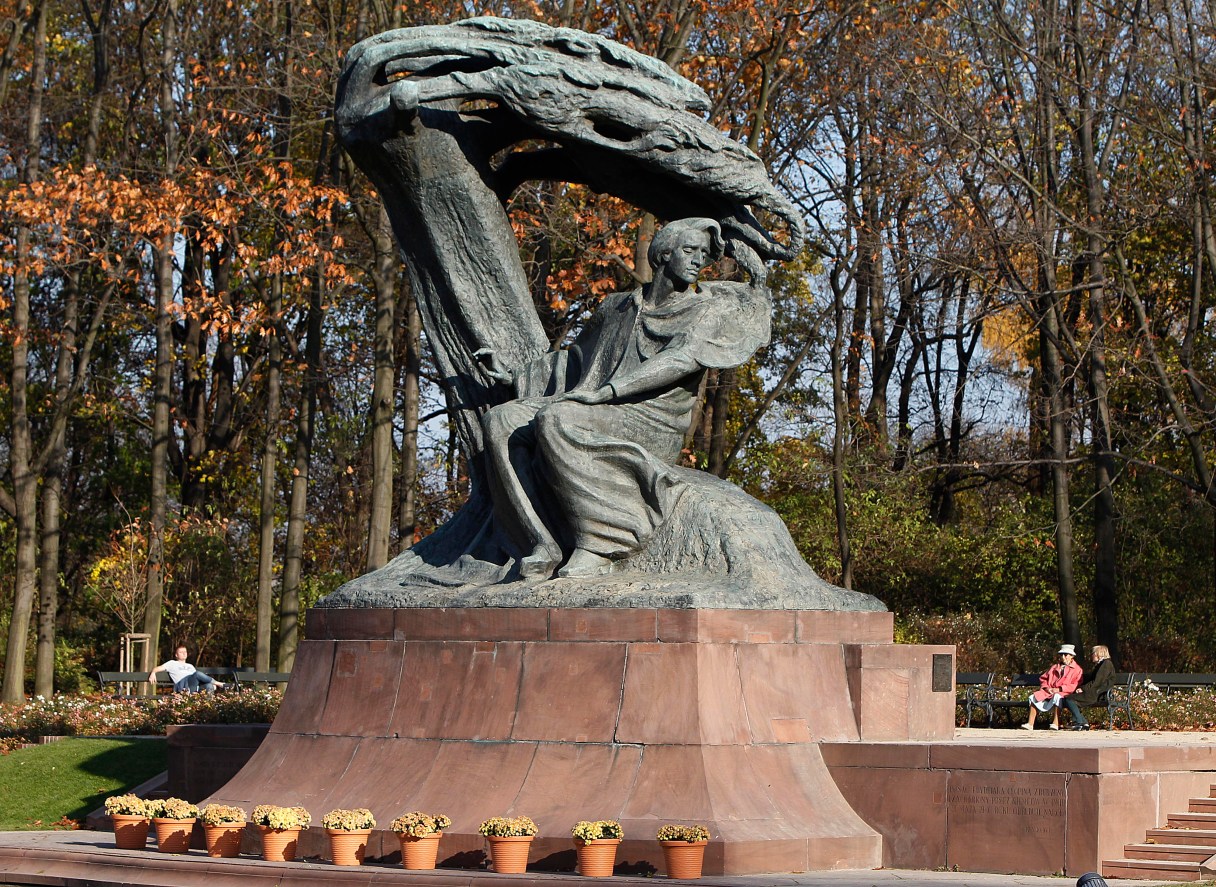
This photo from Nov. 5, 2014, shows a monument dedicated to the 19th century composer Frederic Chopin in a park in Warsaw, Poland.  In 1849 Chopin's dying wish was that his heart should be removed and entombed in his native Poland and following many twists in the tale Chopin’s heart has remained at rest at Holy Cross Church in Warsaw until April 2014, when it was taken out so that officials could determine its condition. Amid huge secrecy the inspection happened over night, photographs were taken and hot wax was added to the jar’s seal to prevent evaporation of the preserving alcohol before the relic was replaced. Officials have now announced plans for another inspection, 50 years from now, a reflection of the mystique the relic-like object holds over Poland.(AP Photo/Czarek Sokolowski)
This photo from Nov. 5, 2014, shows a monument dedicated to the 19th century composer Frederic Chopin in a park in Warsaw, Poland. In 1849 Chopin's dying wish was that his heart should be removed and entombed in his native Poland and following many twists in the tale Chopin’s heart has remained at rest at Holy Cross Church in Warsaw until April 2014, when it was taken out so that officials could determine its condition. Amid huge secrecy the inspection happened over night, photographs were taken and hot wax was added to the jar’s seal to prevent evaporation of the preserving alcohol before the relic was replaced. Officials have now announced plans for another inspection, 50 years from now, a reflection of the mystique the relic-like object holds over Poland.(AP Photo/Czarek Sokolowski)

WARSAW, Poland (AP) – As Frederic Chopin gasped for air on his deathbed in Paris in 1849, he whispered a request that became the stuff of musical legend: Remove my heart after I die and entomb it in Poland. He wanted the symbol of his soul to rest in the native land he pined for from self-imposed exile in France.

Ever since, the composer’s body has rested in peace at the famed Pere Lachaise cemetery in Paris – while his heart has endured a wild journey of intrigue and adulation.

First it was sealed in a jar of liquor believed to be cognac. Then it was smuggled into Warsaw past Russian border guards. Once in his hometown, Chopin’s heart passed through the hands of several relatives before being enshrined within a pillar in Holy Cross Church. During World War II, it briefly fell into the clutches of the Nazis. The organ has been exhumed several times, most recently in a secret operation to check whether the tissue remains well preserved.

Chopin’s heart inspires a deep fascination in Poland normally reserved for the relics of saints. For Poles, Chopin’s nostalgic compositions capture the national spirit – and the heart’s fate is seen as intertwined with Poland’s greatest agonies and triumphs over nearly two centuries of foreign occupation, warfare and liberation.

“This is a very emotional object for Poles,” said Michal Witt, a geneticist involved in the inspection. Chopin is “extremely special for the Polish soul.”