
NEW YORK (AP) – Japan has slipped back into a recession for the second time in two years. That could mean more trouble for a range of U.S companies and industries that count on the country for sales.
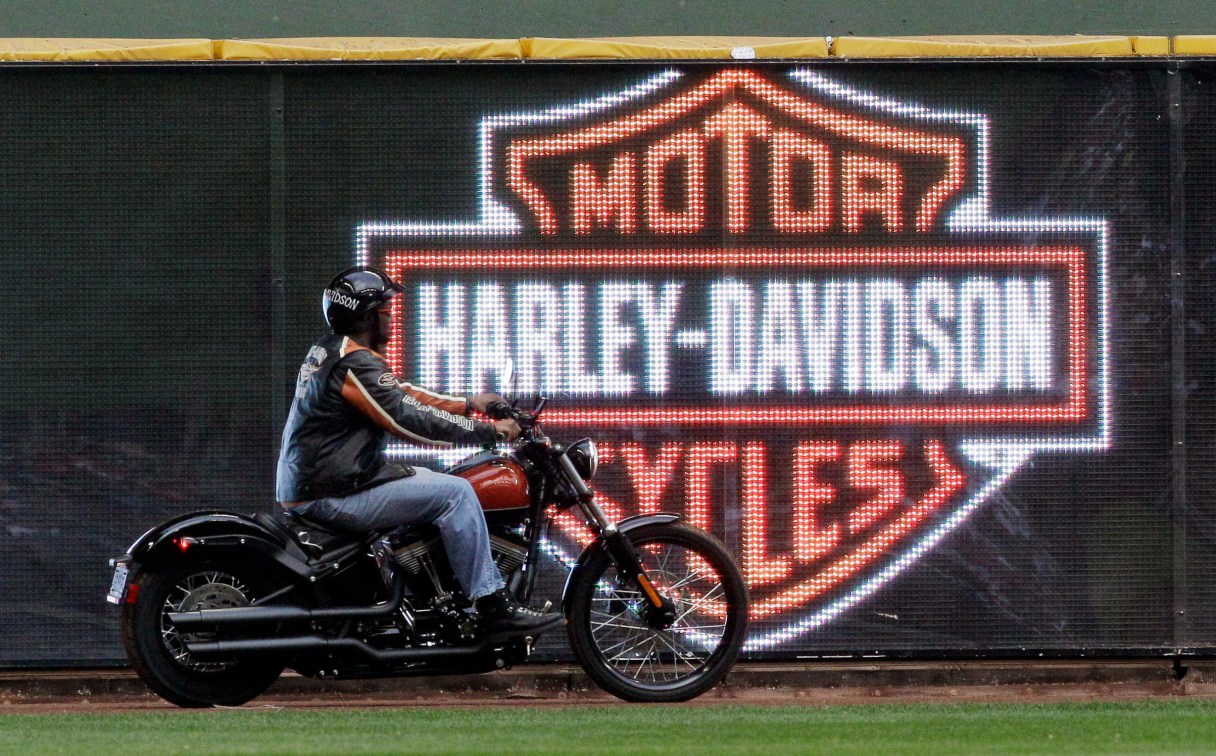
Best known as an exporter of cars, gadgets and comic books, Japan is also a key consumer of U.S. goods and services from name-brand companies. Japanese customers take a shine to diamonds from Tiffany, strap on handbags from Coach, and ride choppers from Harley-Davidson.
“If the Japanese economy continues to shrink, it has a big impact on other countries,” says Sheila Smith, senior fellow for Japan studies at the Council on Foreign Relations. “It’s not like some isolated economy. Having a strong and vibrant Japan is important for everybody.”
On Tuesday, Prime Minister Shinzo Abe announced steps aimed at keeping the downturn from getting worse. Abe postponed another hike in the national sales tax and called for national elections next month. An increase in that sales tax earlier this year has been widely blamed for the most recent slump.
Here’s a brief look at the economic ties between the U.S. and Japan, the world’s third-largest economy, as well as the American businesses that could be hardest hit by the recession.