
WHO WON?
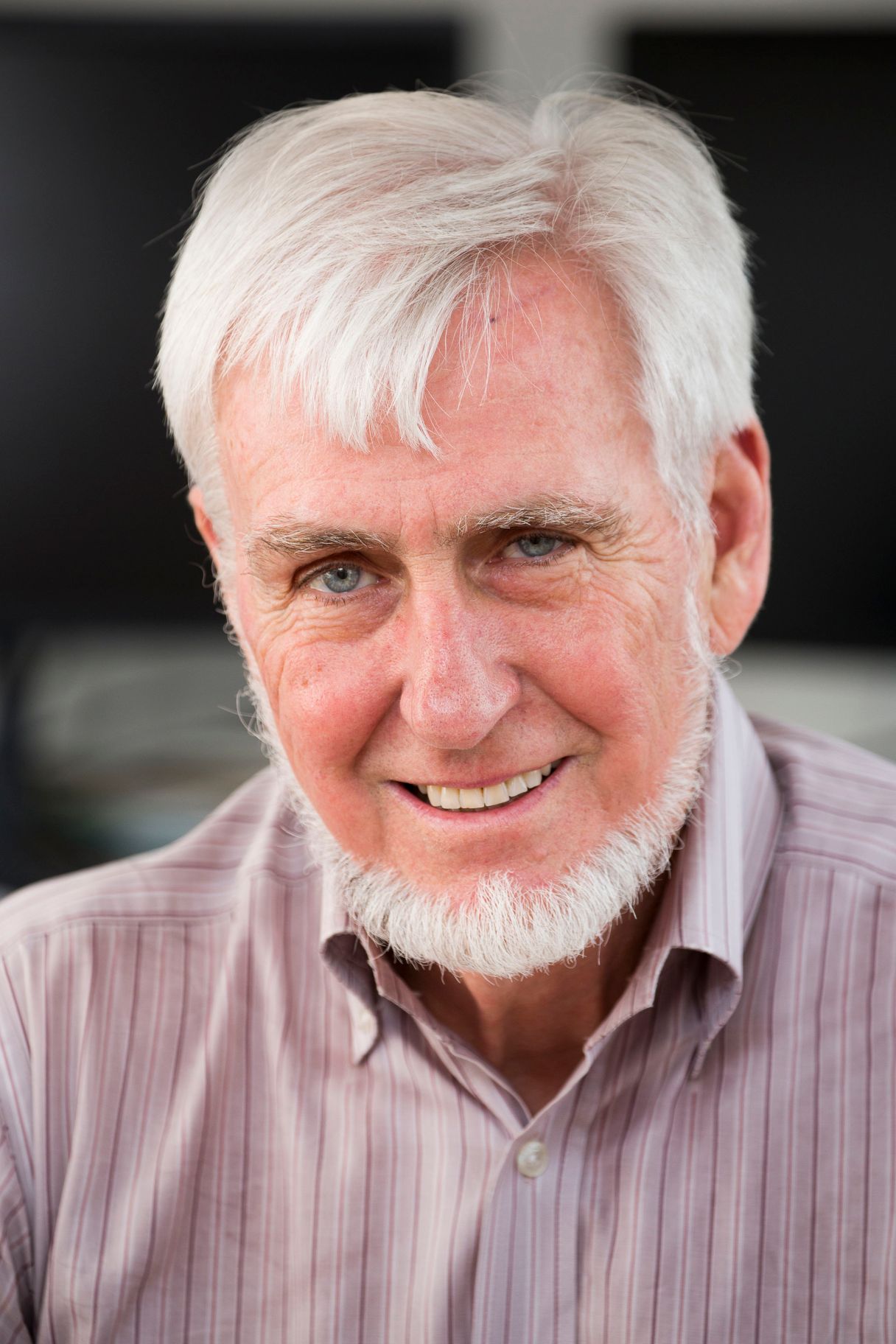
John O’Keefe, 75, an American-British professor of cognitive neuroscience at University College London; May-Britt Moser, 51, and Edvard Moser, 52, a married team of neuroscientists at the Norwegian University of Science and Technology in Trondheim.
FOR WHAT?
For their discoveries of how rats determine where they are and how to move through the world. That lead to a deeper understanding of how the brain, including ours, creates a map of the environment – essentially an inner global positioning system, or GPS.
SIGNIFICANCE
O’Keefe’s discoveries had “a dramatic impact on the study of how the brain creates behavior,” the Nobel committee said. Thirty years later, the Mosers’ research in the same field found how activities in so-called grid cells allowed the brain to divide the environment into longitude and latitude, which helps the brain know how far it is from any given starting point.
Together the three scientists were cited for having helped bring about a “paradigm shift in our understanding of how groups of specialized nerve cells work together to execute higher brain functions.” Some say this understanding could eventually revolutionize the treatment of diseases such as Alzheimer’s.
WHAT THEY SAID
May-Britt Moser said: “I’m still in shock. This is so great.”