
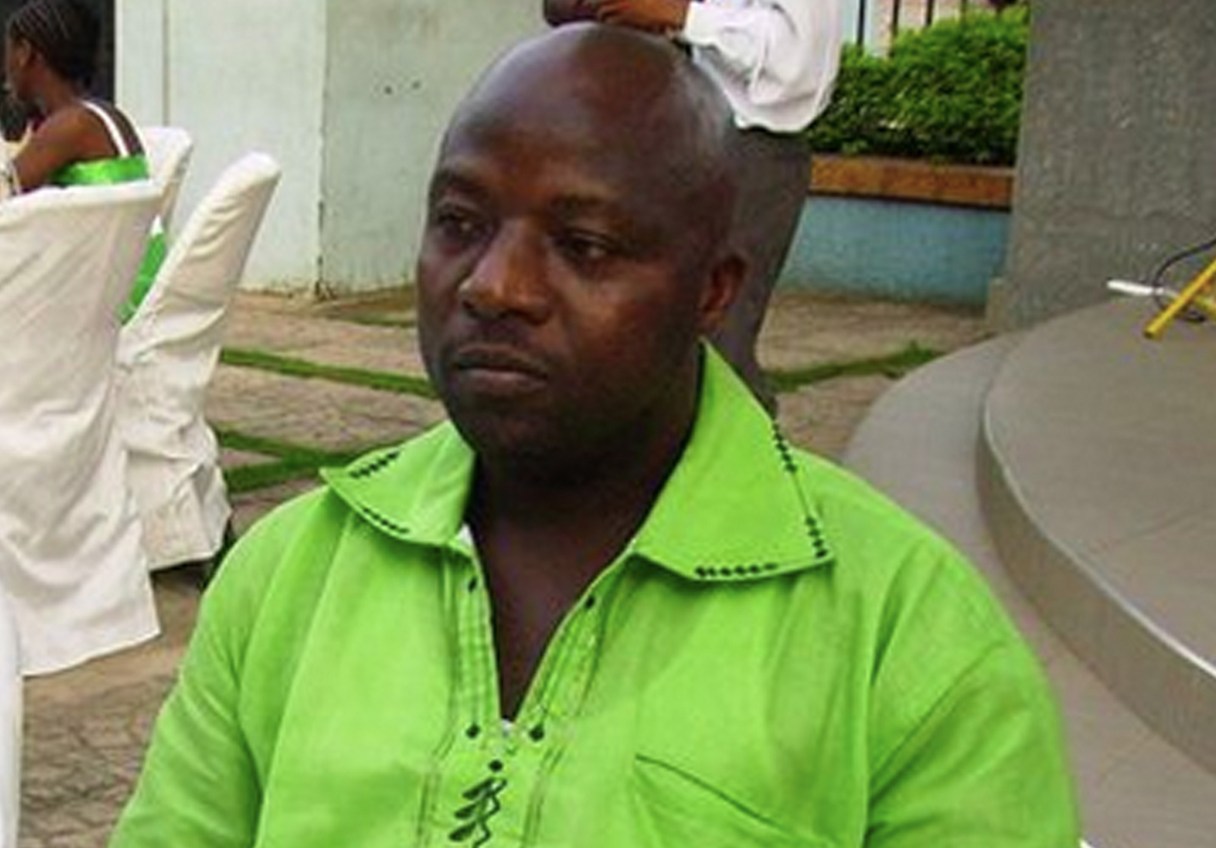
FORT WORTH, Texas (AP) – The family of the first Ebola victim to die in the United States says the hospital that cared for him has refused for weeks to release lab results showing the effects of an experimental drug treatment, fanning their suspicions that the facility mishandled the case.
They believe that information is being withheld, along with additional medical records, by Texas Health Presbyterian Hospital Dallas, where Thomas Eric Duncan died Oct. 8.
The hospital released more than 1,450 pages of medical records to Duncan’s sister, Mai Wureh, the day he died. A registered nurse, Wureh says she began asking about Duncan’s Ebola viral load shortly after he received the first dose of brincidofovir on Oct. 4. After he died, she sought the information through numerous phone calls to the hospital’s medical records division.
According to medical records initially provided to the family, Dr. Gary Weinstein noted two days before Duncan’s death that “consents relatives” were Wureh and her son, Josephus Weeks.
Weinstein’s notes also show that because Duncan was unable to make his own clinical decisions, Duncan’s family designated Wureh as the “primary decision maker.” Multiple family members, including the younger Duncan, were in agreement that Wureh would be the primary decision maker, Weinstein wrote.