
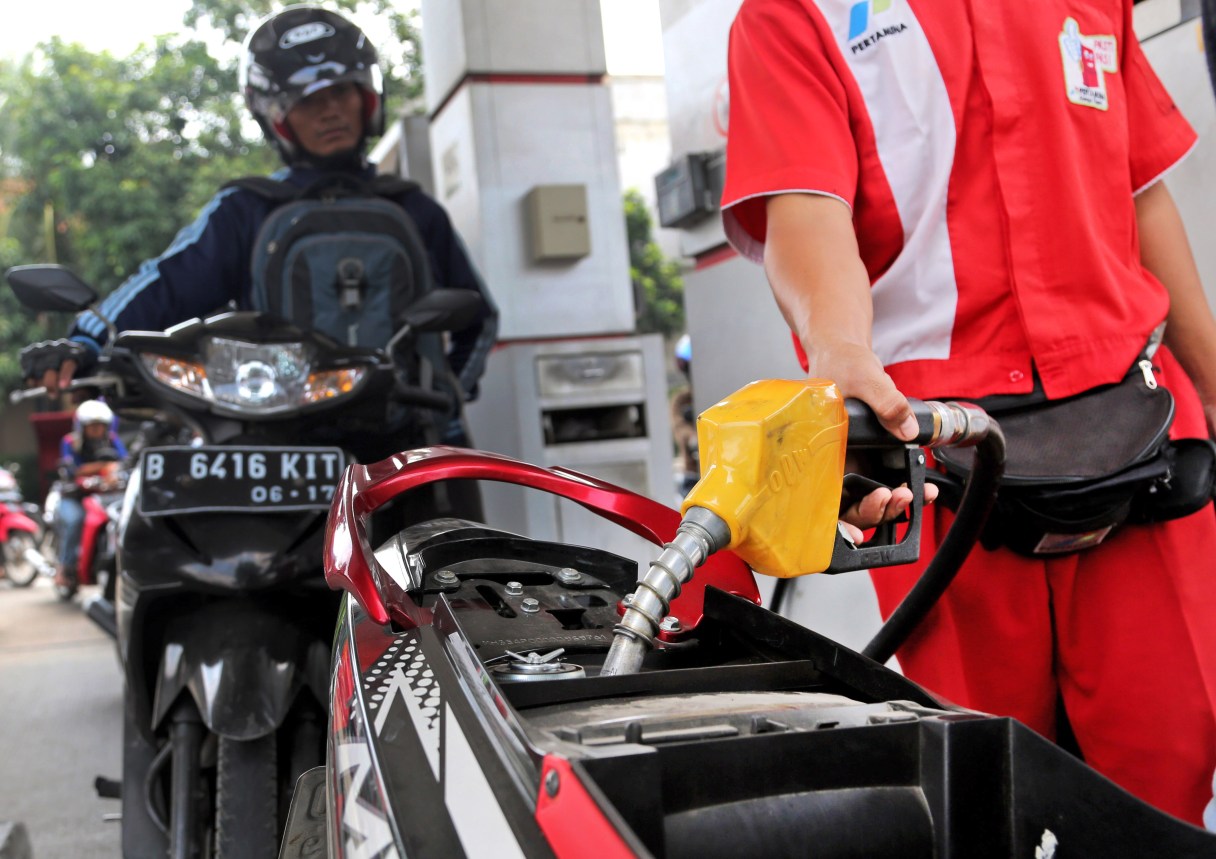
JAKARTA, Indonesia (AP) – The first item on the to-do list of Indonesia’s president-elect is one that successive leaders have struggled with, and could be his toughest: how to wean the country off fuel subsidies that make gasoline almost as cheap as bottled water.
Each year the subsidies cost Indonesia billions of dollars that economists agree would be better spent on creating jobs and building badly needed roads, schools and hospitals in Southeast Asia’s largest economy.
The problem for President-elect Jokowi Widodo is that Indonesians are accustomed to some of the cheapest fuel in the world. The subsidies also indirectly keep the cost of public transport and basic foodstuffs affordable, an important consideration in a country where about half of the 240 million people survive on $2 a day.
Widodo had been hoping for help from outgoing President Susilo Bambang Yudhoyono, who could have cut the subsidies before leaving office on October 20, deflecting some of the public anger and political heat away from the new leader. But Yudhoyono, who raised prices last year by 44 percent after delaying for five years, declined Widodo’s request, saying he had “taken pity” on the people.
Widodo, who won the election convincingly after a campaign that stressed his working class roots and record of progressive leadership as Jakarta governor, has pledged to reduce the subsidy bill, even as members of his own political party urge him not to. They fear more expensive fuel will cut short any honeymoon period.