
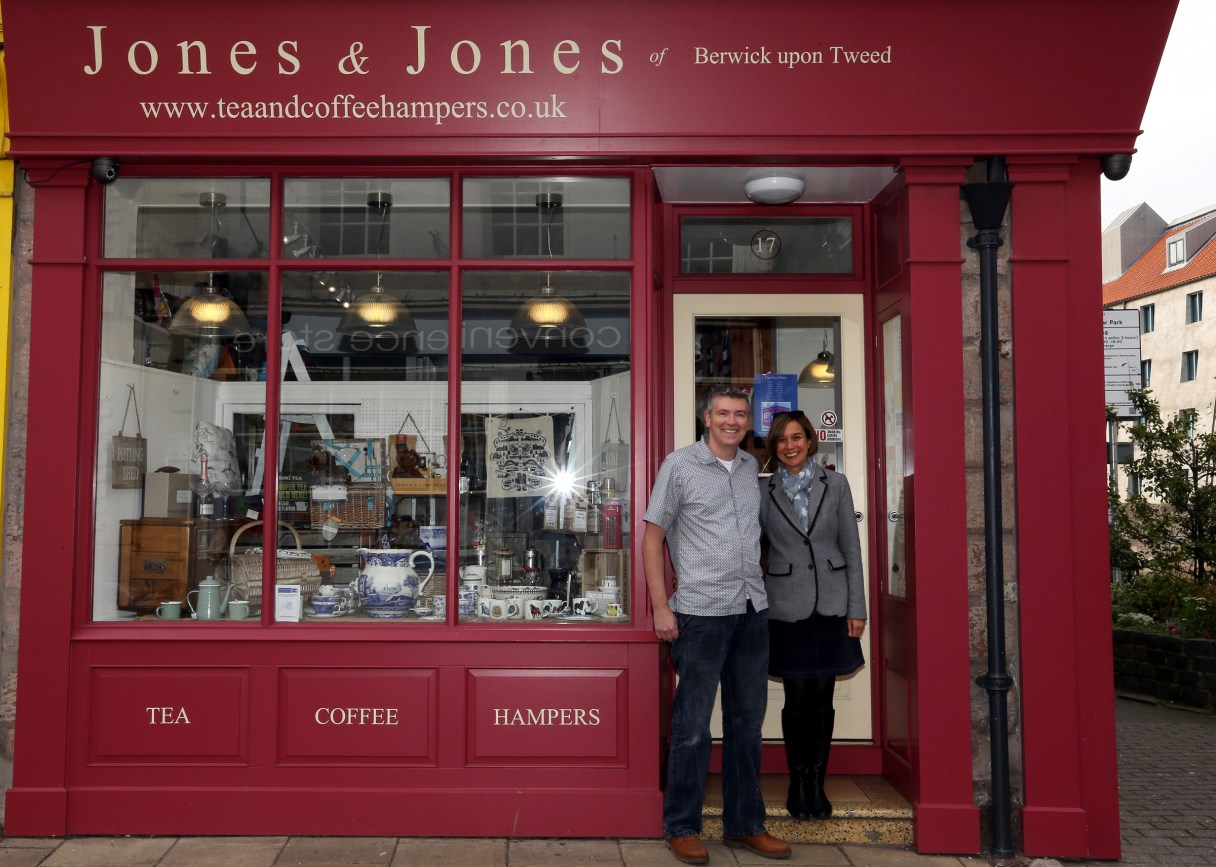
BERWICK-UPON-TWEED, England (AP) – All Gavin Jones has to do is scan the shelves of his impossibly quaint shop on England’s border with Scotland to know he’ll have a big problem if the Scots declare independence next week.
There are teddy bears in Campbell clan tartans and shelves of shortbread from Scotland – just above the red jams made in England. After independence, the Scottish goods would be subject to import duties, and customers would likely pay in two different currencies. Business in Berwick-upon-Tweed, England’s northernmost town, could soon be crushed by bank transaction costs.
“If Scotland chooses independence, it changes our concept of local,” he said. “There are then barriers put in place.”
Berwickers like to think of themselves as neither English nor Scottish. Little wonder: this enclave has changed hands 13 times over the centuries. But there is no getting away from the fact that the locals in Berwick (pronounced BEAR-ick) could be dramatically affected by the Sept. 18 referendum.
In that way, they are like the rest of Britain. While the vote may alter the balance of power in British politics, increase the likelihood that the U.K. will leave the European Union and weaken the nation’s economy and currency, the people of England, Wales and Northern Ireland will have no say in the outcome. Only residents of Scotland are eligible to cast ballots.