
Monday, November 16, 2026Nov 16

Fijians go to polls after 8 years of military rule

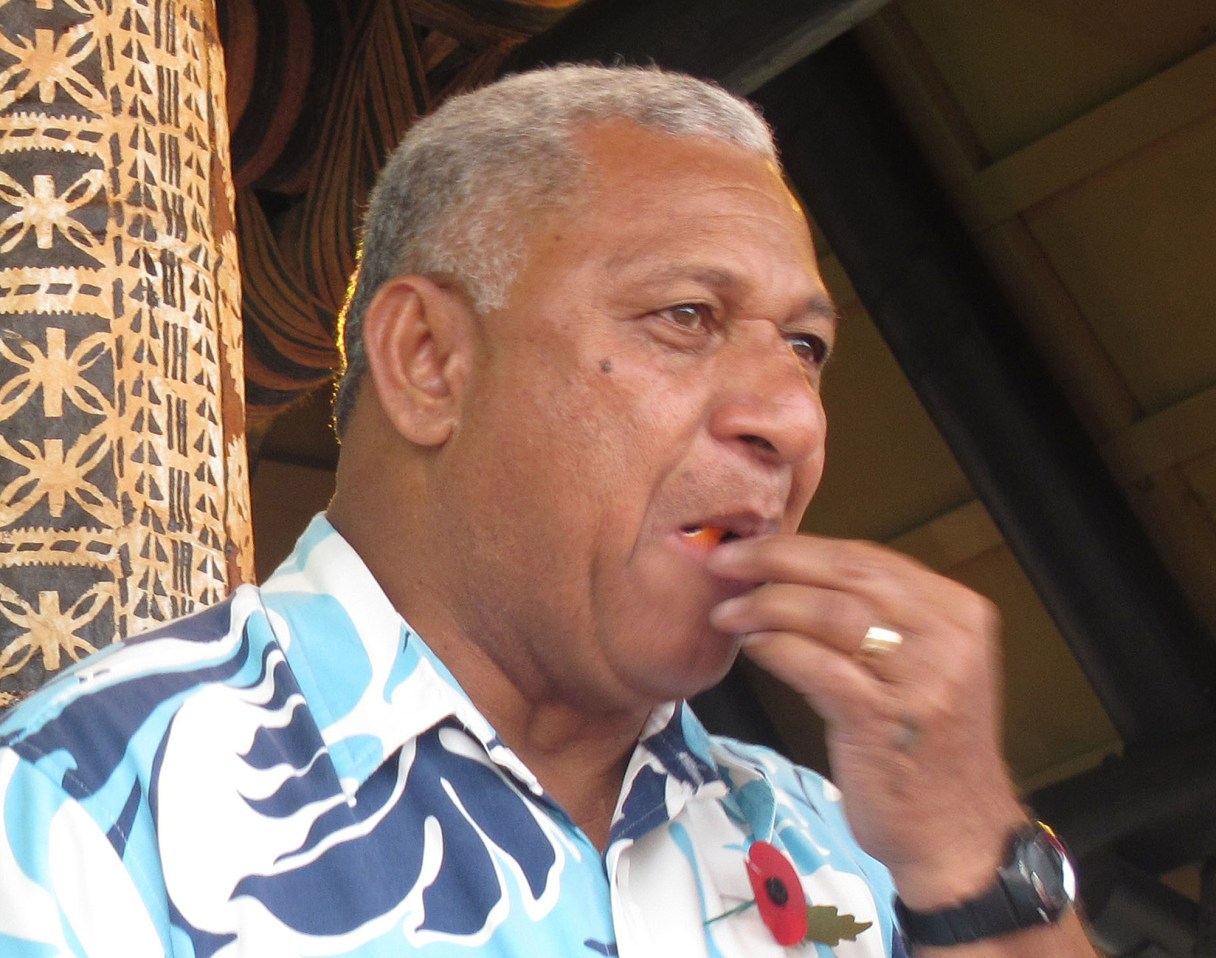
In this Nov. 7, 2013 photo, Fiji's Prime Minister Voreqe Bainimarama eats cake at the opening of a picnic park, in Suva, Fiji. Thousands of Fijians are eagerly awaiting their first chance to vote in nearly eight years Wednesday in an election that promises to finally restore democracy to the South Pacific nation of 900,000. Yet plenty of questions remain about how far military ruler Bainimarama has tilted the outcome in his favor. Bainimarama is running as a candidate and polls indicate his party is by far the most popular of the seven registered.  (AP Photo/Nick Perry, File)
In this Nov. 7, 2013 photo, Fiji's Prime Minister Voreqe Bainimarama eats cake at the opening of a picnic park, in Suva, Fiji. Thousands of Fijians are eagerly awaiting their first chance to vote in nearly eight years Wednesday in an election that promises to finally restore democracy to the South Pacific nation of 900,000. Yet plenty of questions remain about how far military ruler Bainimarama has tilted the outcome in his favor. Bainimarama is running as a candidate and polls indicate his party is by far the most popular of the seven registered. (AP Photo/Nick Perry, File)

WELLINGTON, New Zealand (AP) – Thousands of Fijians are awaiting their first chance to vote in eight years Wednesday in an election that promises to finally restore democracy to the South Pacific nation of 900,000.

Yet plenty of questions remain about how far military ruler Voreqe Bainimarama has tilted the outcome in his favor. Bainimarama is running as a candidate and polls indicate his party is by far the most popular of the seven contesting the election.

The question appears to be not whether his Fiji First party will receive the most votes, but whether it will gain an outright majority of Parliament’s 50 seats under Fiji’s new proportional system. Anything less could force Bainimarama to share power, not something he’s familiar with after years of ruling by decree.

If the election is deemed fair by international observers, it will likely wash away the last remaining barriers put up by Western countries after Bainimarama first seized power in a 2006 coup. And a stable government afterward could see international investors return.

“This is a historic election,” said Anil Kumar, a Suva taxi driver. “I’m excited that I will be able to cast my vote. I’m looking forward to it.”