
Friday, November 13, 2026Nov 13

Fed signals plan to keep key rate at record low

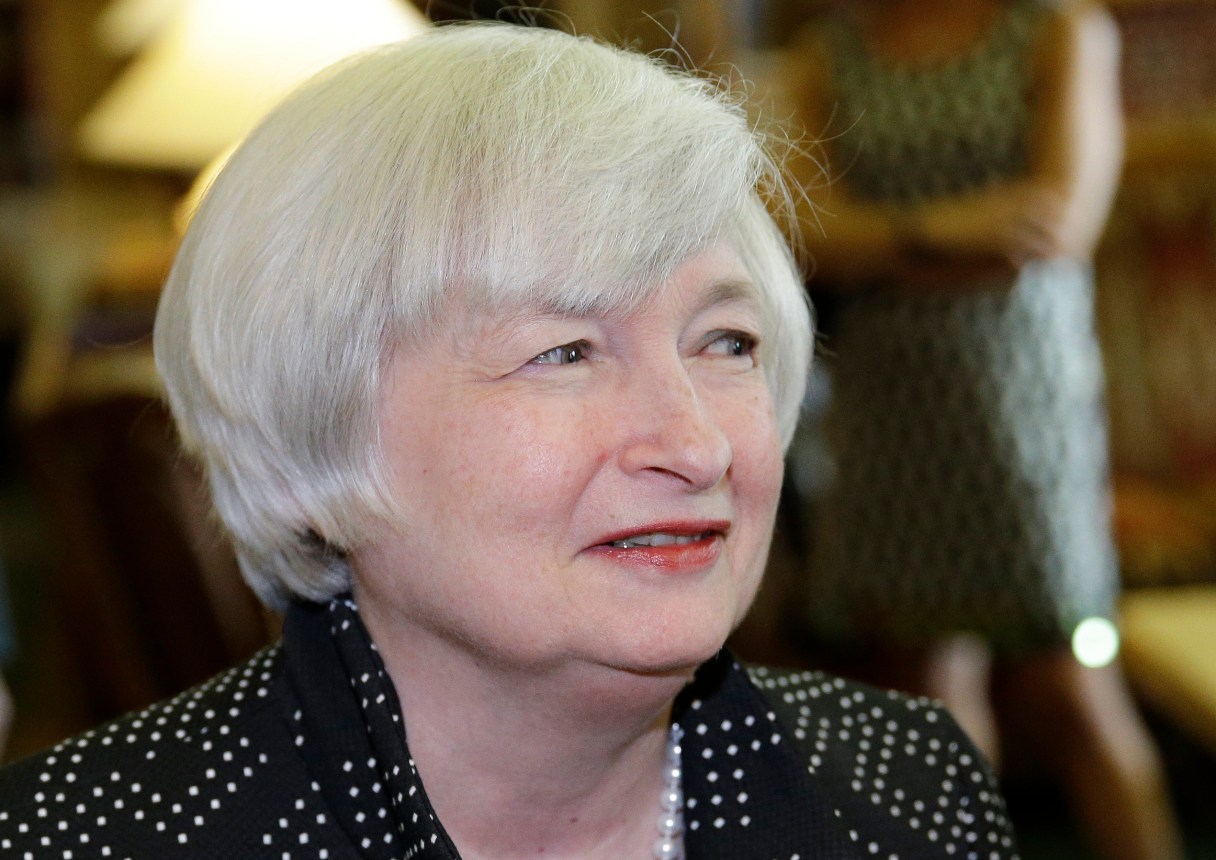
In this Thursday, Aug. 21, 2014 photo, Federal Reserve Chair Janet Yellen arrives for a dinner during the Jackson Hole Economic Policy Symposium at the Jackson Lake Lodge in Grand Teton National Park near Jackson, Wyo. Yellen will be pressed to clarify the Fed's intentions after the Fed issues its policy statement on Wednesday, Sept. 17, 2014. (AP Photo/John Locher)
In this Thursday, Aug. 21, 2014 photo, Federal Reserve Chair Janet Yellen arrives for a dinner during the Jackson Hole Economic Policy Symposium at the Jackson Lake Lodge in Grand Teton National Park near Jackson, Wyo. Yellen will be pressed to clarify the Fed's intentions after the Fed issues its policy statement on Wednesday, Sept. 17, 2014. (AP Photo/John Locher) In this Thursday, Aug. 21, 2014 photo, Federal Reserve Chair Janet Yellen arrives for a dinner during the Jackson Hole Economic Policy Symposium at the Jackson Lake Lodge in Grand Teton National Park near Jackson, Wyo. Yellen will be pressed to clarify the Fed's intentions after the Fed issues its policy statement on Wednesday, Sept. 17, 2014. (AP Photo/John Locher)

WASHINGTON (AP) – The Federal Reserve signaled Wednesday that it plans to keep a key interest rate at a record low for a considerable period because a broad range of U.S. economic measures remain subpar.

The Fed said it planned to keep its benchmark rate near zero as long as inflation remains under control, until it sees consistent gains in wage growth, long-term unemployment and other gauges of the job market.

The central bank retained language signaling its plans to keep short-term rates low “for a considerable time” after it ends its monthly bond purchases after its next meeting in October.

Stock prices rose after the Fed issued its statement at 2 p.m. Eastern time. Traders appeared pleased that the Fed seems in no hurry to raise rates.

In a statement ending its latest policy meeting, the Fed says it will make another $10 billion cut in the pace of its purchases, which have been intended to keep long-term borrowing rates low.