
WELLINGTON, New Zealand (AP) – A heated campaign has been running for weeks in New Zealand, but when people go to the polls Saturday, there will be no discussion of the election in the newspapers, on Twitter or even in song.
At least until the polls close.
Many developed nations try to protect voters from undue influence when they cast their ballots, but New Zealand’s gag rules go much further than most.
In the United States, where free speech is constitutionally protected, states can impose limited bans on campaigning at the entrance to polling stations. In many other countries, there are broader bans. But in New Zealand, it’s a criminal offense on election day to say or do anything in a public forum that could influence other voters.
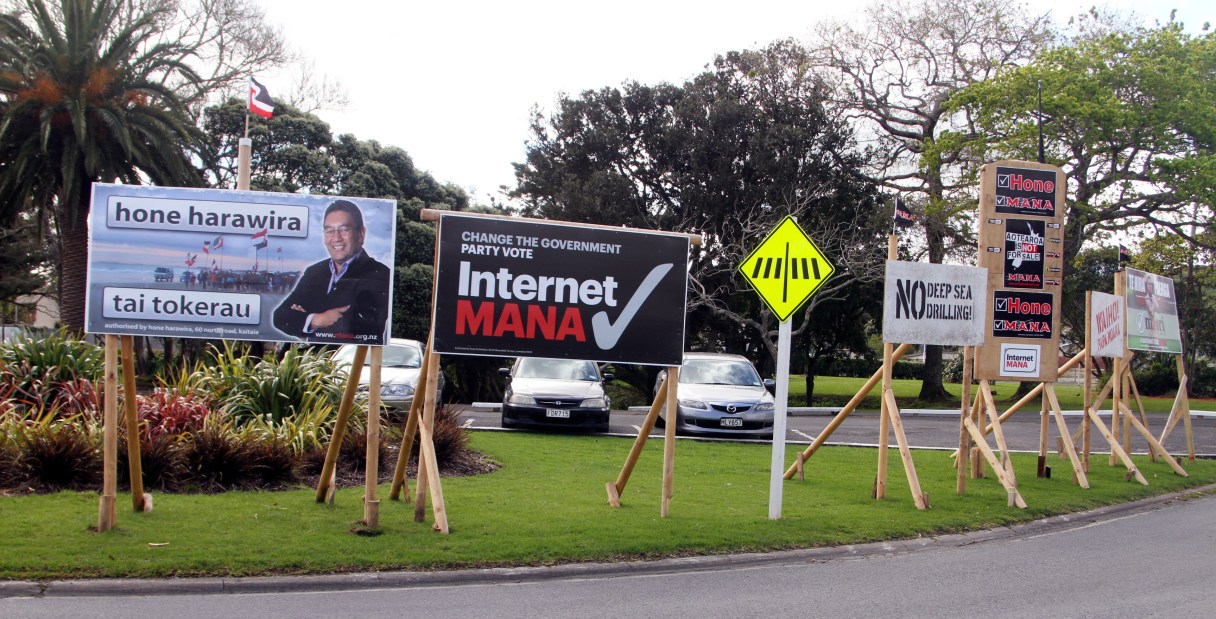
That means people can’t tweet about whom they voted for. Talking heads on television can’t mention something as mundane as a candidate’s attire, much less who might win. Political parties are even directed by authorities to “unpublish their Facebook pages.” Not only are election billboards banned, so too are political protests, demonstrations and marches.