
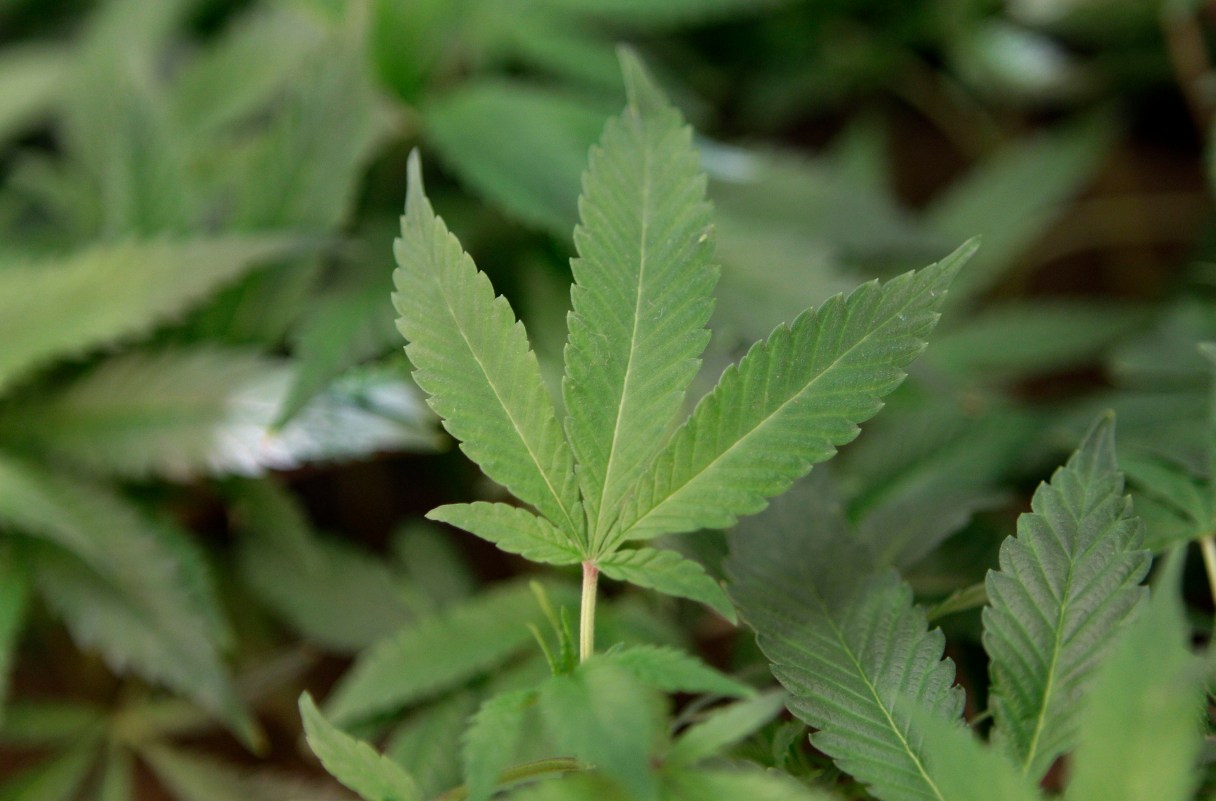
SAN FRANCISCO (AP) – A national marijuana advocacy group took steps Wednesday to begin raising money for a campaign to legalize recreational pot use in California in 2016, a move with potential to add a dose of extra excitement to the presidential election year.
The Marijuana Policy Project filed paperwork with the California secretary of state’s office registering a campaign committee to start accepting and spending contributions for a pot legalization initiative on the November 2016 state ballot, the group said.
The measure would be similar to those passed in 2012 by voters in Colorado and Oregon, the first U.S. states to legalize commercial sales of marijuana to all adults over 21.
California, long the national leader in illegal marijuana production and home to a thriving, largely unregulated medical marijuana industry, is one of the 21 other states that currently allow marijuana use only for medical reasons. The drug remains illegal under federal law.
“Marijuana prohibition has had an enormously detrimental impact on California communities. It’s been ineffective, wasteful and counterproductive. It’s time for a more responsible approach,” Marijuana Policy Project Executive Director Rob Kampia said. “Regulating and taxing marijuana similarly to alcohol just makes sense.”