
BEIJING (AP) – The indictment of China’s former security boss Zhou Yongkang marks the latest chapter in the Communist Party’s history of purging itself of leaders who’ve fallen out of favor politically or whose alleged crimes appear too serious to go unnoticed.
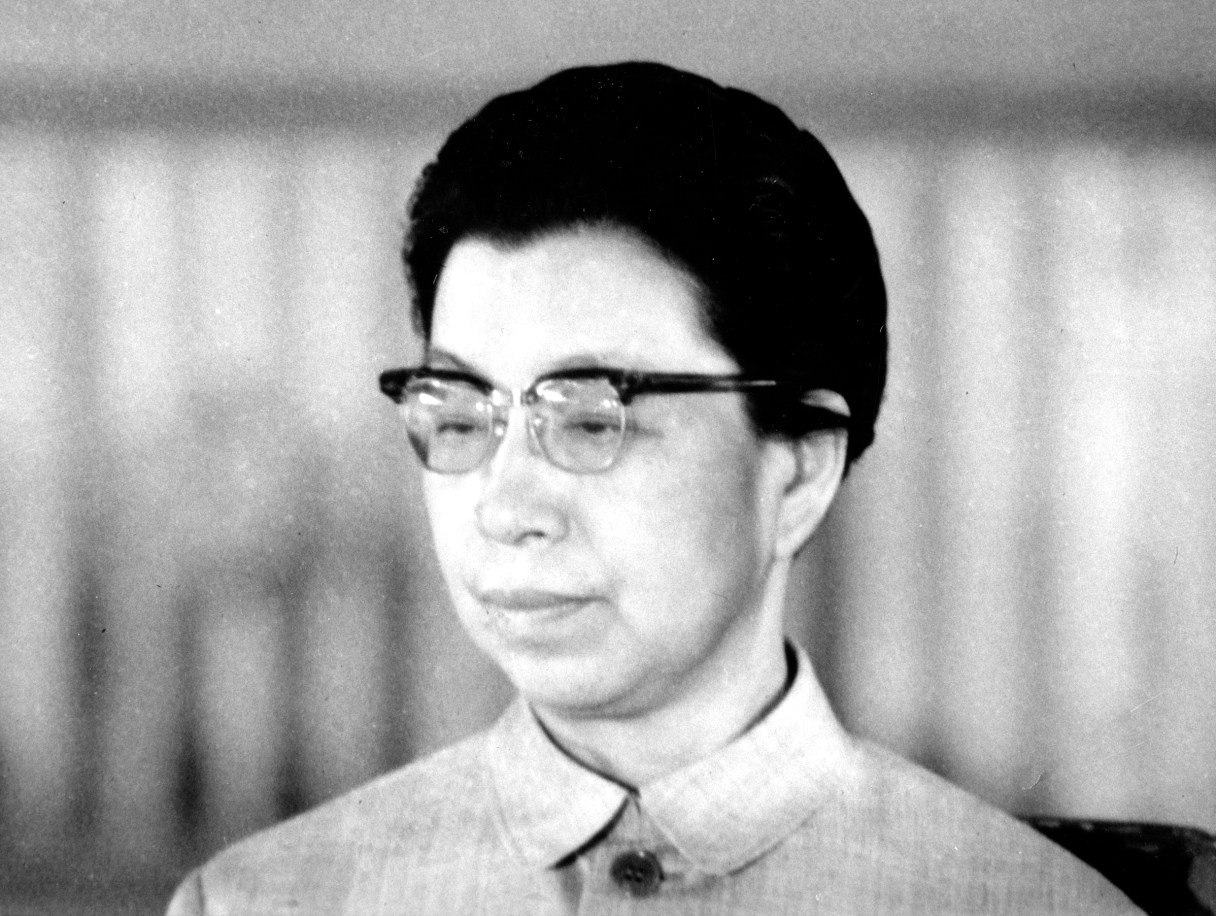
Zhou is charged with corruption and the leaking of state secrets. As a former member of the party’s all-power Politburo Standing Committee, he would be the highest-ranking Chinese official, sitting or retired, to go before a court since the 1980-1981 treason trial of Mao Zedong’s wife and other members of the “Gang of Four” who persecuted political opponents during the 1966-76 Cultural Revolution.
Many other purged officials have been pushed out without trial, sometimes with fatal consequences.
___
LIU SHAOQI __ Once considered the anointed successor to communist leader Mao Zedong, Liu Shaoqi was swept from power at the beginning of the Cultural Revolution. Formerly upheld as the model of a proper communist, Liu was vilified as a traitor and the party’s chief enemy, leading to his death in detention in 1969 following years of physical mistreatment, medical neglect and constant interrogation. He was later formally vindicated.