
Sunday, November 15, 2026Nov 15

Feds likely to shut down sardine fishing on West Coast

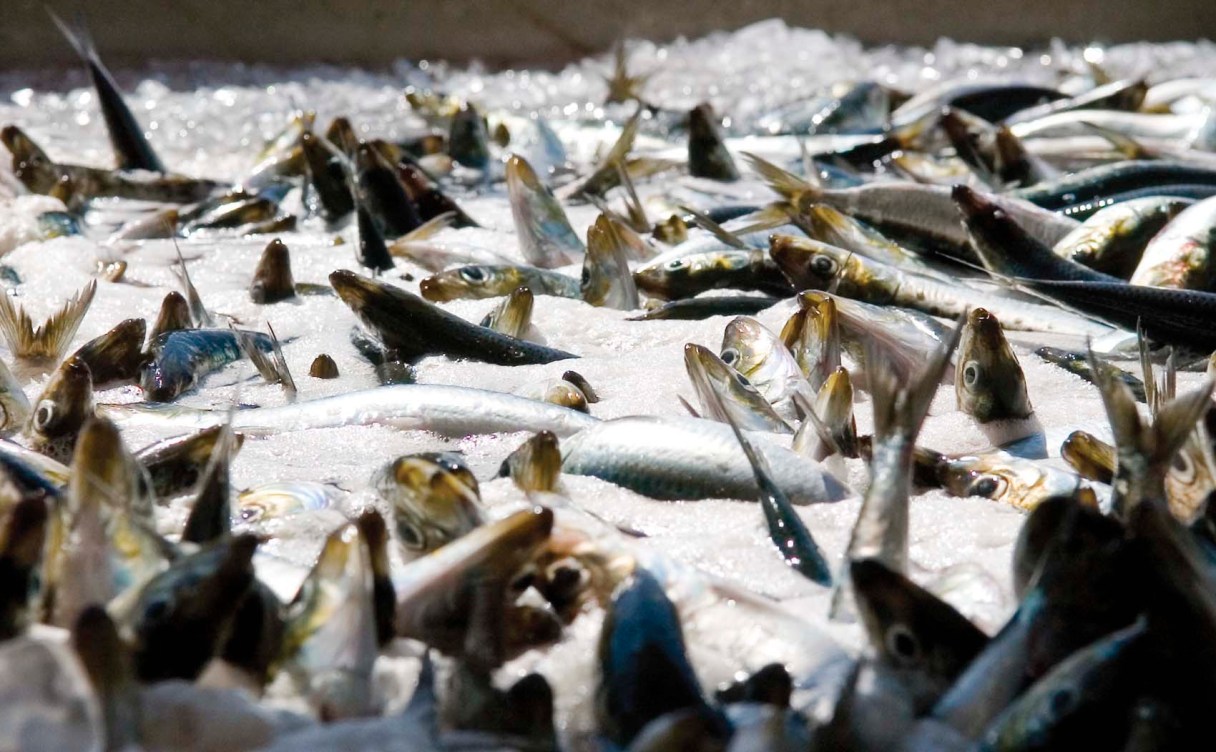
FILE - This Aug. 22, 2007 file photo shows freshly caught sardines awaiting sorting at West Bay Marketing in Astoria, Ore. West Coast fisheries managers have little choice but to shut down sardine fishing this year in the face of evidence stocks are going through the same kind of collapse that turned Cannery Row from a thriving industry to a tourist destination. The commercial fishing fleet hopes that the Pacific Fishery Management Council will not be so concerned about how low sardine numbers are falling that they shut down other fisheries, as well, such as mackerel, anchovies and market squid.  But that is what the conservation group Oceana is urging, to leave food in the ocean for starving sea lions and other wildlife, and speed the rebuilding process for sardines. The council meets later this month to set sardine harvests. (AP Photo/The Daily Astorian, Alex Pajunas)
FILE - This Aug. 22, 2007 file photo shows freshly caught sardines awaiting sorting at West Bay Marketing in Astoria, Ore. West Coast fisheries managers have little choice but to shut down sardine fishing this year in the face of evidence stocks are going through the same kind of collapse that turned Cannery Row from a thriving industry to a tourist destination. The commercial fishing fleet hopes that the Pacific Fishery Management Council will not be so concerned about how low sardine numbers are falling that they shut down other fisheries, as well, such as mackerel, anchovies and market squid. But that is what the conservation group Oceana is urging, to leave food in the ocean for starving sea lions and other wildlife, and speed the rebuilding process for sardines. The council meets later this month to set sardine harvests. (AP Photo/The Daily Astorian, Alex Pajunas)

West Coast fisheries managers will likely shut down sardine fishing this year as numbers decline, echoing a previous collapse that decimated a thriving industry and increasing worries that other species might be withheld from the commercial market.

Fishermen are resigned to not being able to get sardines, but they hope the Pacific Fishery Management Council will not be so concerned that it sets the level for incidental catch of sardines at zero, shutting down other fisheries, such as mackerel, anchovies and market squid, which often swim with sardines.

Sardines were a thriving fishery on the West Coast from World War I through World War II, and the cannery-lined waterfront in Monterey, California, became the backdrop for John Steinbeck’s 1945 novel, “Cannery Row.” The fishery industry crashed in the 1940s, and riding the book’s popularity, Cannery Row became a tourist destination, with restaurants and hotels replacing the canneries.

The industry revived in the 1990s, when fisheries developed in Oregon and Washington waters. Today, there are about 100 boats with permits to fish for sardines on the West Coast, about half the number during the heyday. Much of the catch, landed from Mexico to British Columbia, is exported to Asia and Europe, where some is canned, and the rest goes for bait. West Coast landings have risen from a value of $1.4 million in 1991 to a peak of $21 million in 2012, but are again declining.

“The industry survives fishing on a complex,” of species, said Diane Pleschner-Steele, director of the California Wetfish Producers Association, which represents 63 California-based fishing boats. “Sardines, up until this point, have been one very important leg of a three- or four-legged stool…. Now we don’t have sardines. Our fleet is scrambling.”