
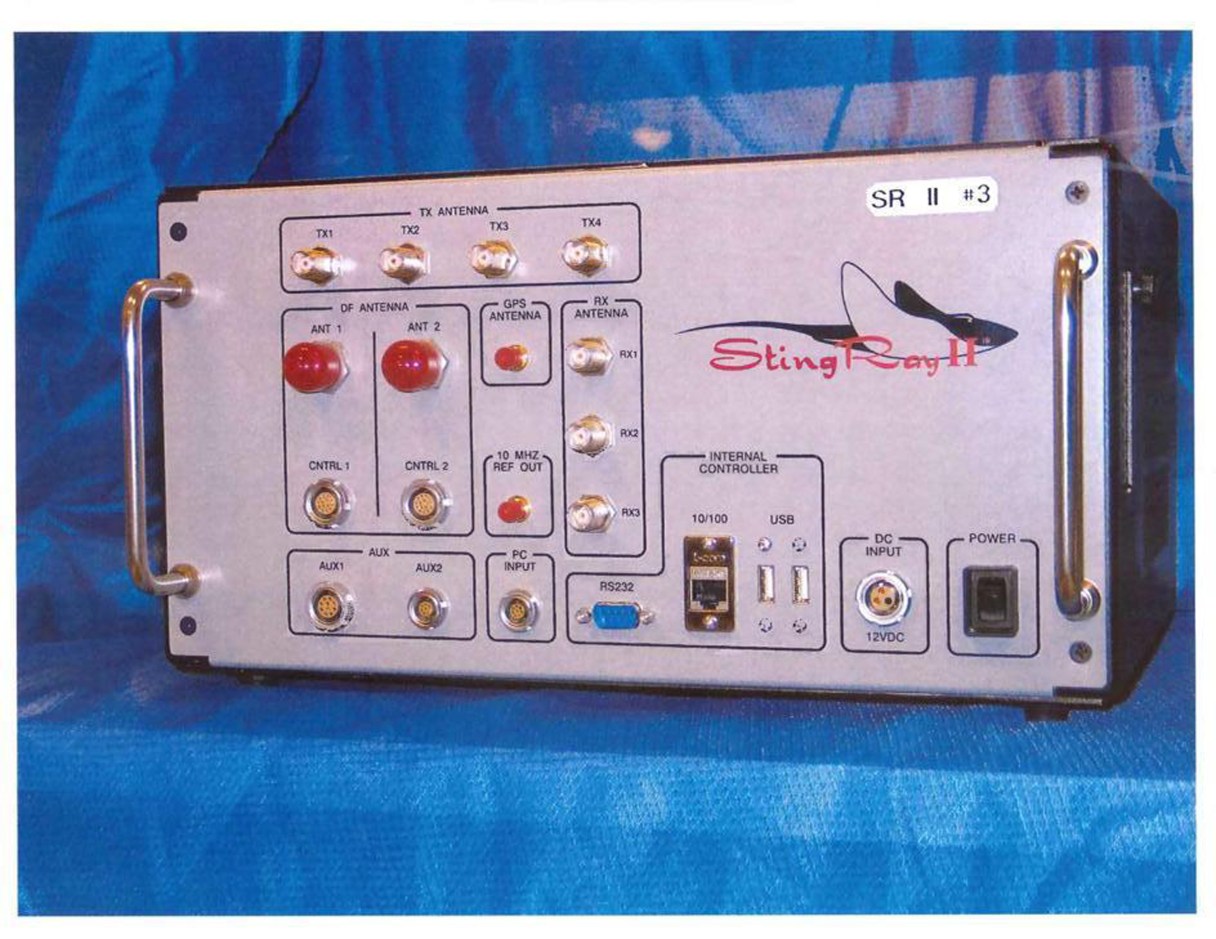
BALTIMORE (AP) – The Baltimore Police Department has an agreement with the U.S. government to withhold certain information about secretive cellphone surveillance technology from the public and even the courts, according to a confidential agreement obtained by The Associated Press. On Wednesday, the department disclosed it has used the technology thousands of times since 2007.
The agreement between the police department and the Federal Bureau of Investigation also encourages the authorities and local prosecutors to sometimes dismiss cases instead of divulging details about the equipment. That arrangement, which was agreed to several years ago, has led police to believe that they can withhold evidence in criminal trials or ignore subpoenas in cases in which the devices are used.
The technology, using devices called Hailstorm or Stingray, can sweep up basic cellphone data from a neighborhood by tricking phones in the area that it’s a cell tower and identifying unique subscriber numbers. That data is then transmitted to the police, allowing them to locate a phone without the user even making a call or sending a text message.
The Baltimore police entered into an agreement with the Justice Department in 2011, which calls for the department to withhold information about the device in “press releases, court documents, during judicial hearings or during other public forums and proceedings.” The agreement states that the department must seek FBI approval before sharing any details with other law enforcement agencies.
The agreement also makes clear that neither the police department nor prosecutors are permitted to divulge information about the surveillance technology in court, and warns that if either agency suspects that a prosecutor is planning to provide information about the device in open court, it must “notify the FBI in order to allow sufficient time for the FBI to intervene to protect the equipment/technology and information from disclosure and potential compromise.”