
Sunday, November 15, 2026Nov 15

Amid tight budgets, use of police reserve officers is common

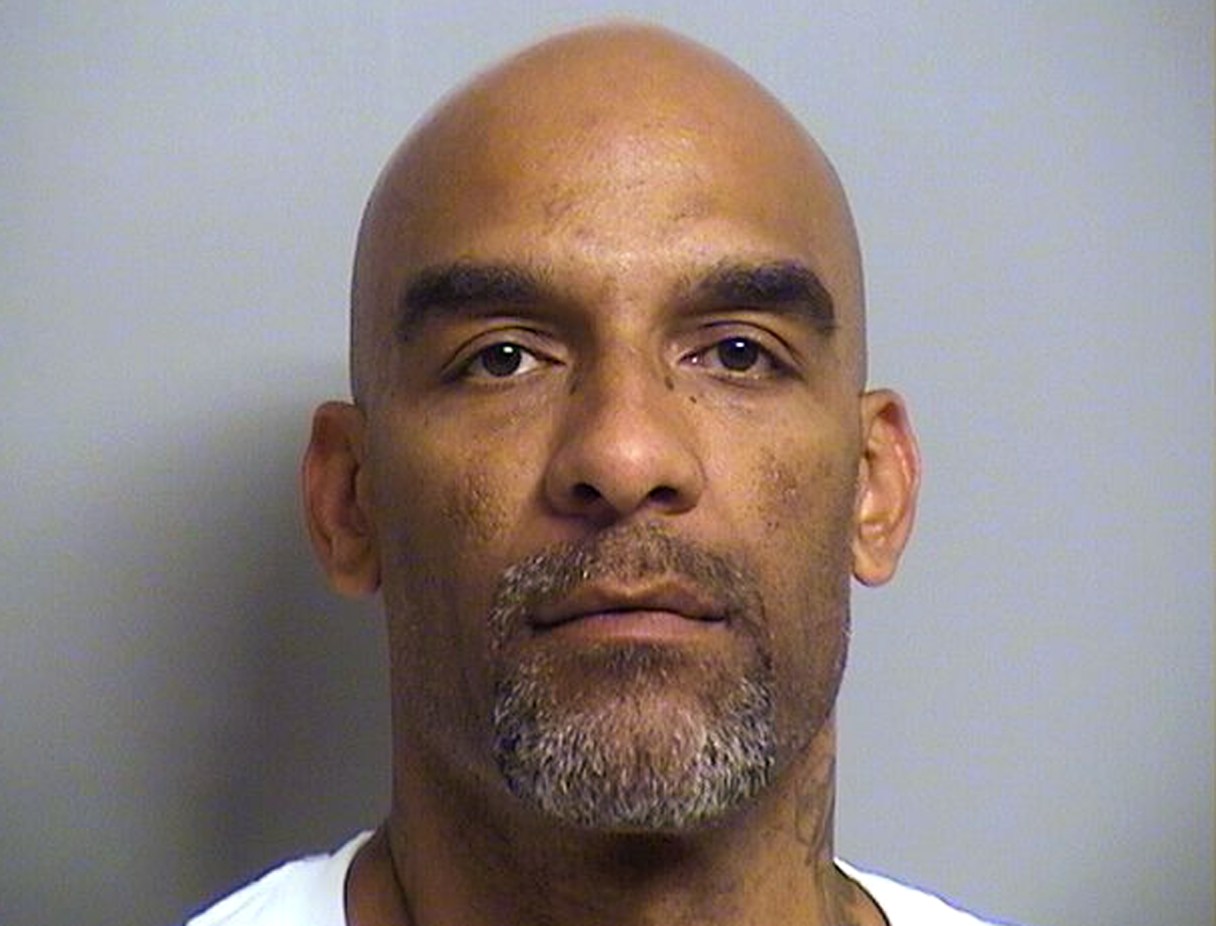
In this photo provided by the Tulsa County, Oklahoma, Sheriff's Office is Eric Harris, 44.  Police say Robert Bates, a white reserve sheriff's deputy, thought he was holding a stun gun, not his handgun, when he fatally shot Harris, a black suspect, during an arrest that was caught on video in. Harris was treated by medics at the scene and died in a Tulsa hospital. (Tulsa County Sheriff's Office via AP)
In this photo provided by the Tulsa County, Oklahoma, Sheriff's Office is Eric Harris, 44. Police say Robert Bates, a white reserve sheriff's deputy, thought he was holding a stun gun, not his handgun, when he fatally shot Harris, a black suspect, during an arrest that was caught on video in. Harris was treated by medics at the scene and died in a Tulsa hospital. (Tulsa County Sheriff's Office via AP)

By the thousands, volunteers across the United States sign up to assist their local law enforcement agencies as reserve police officers and sheriff’s deputies. Most perform routine duties in unpaid anonymity; a few become known as heroes or rogues.

Among those reservists was Robert Bates, a 73-year-old insurance executive, who was charged Monday with manslaughter in the death of a man shot as he lay on the ground in Tulsa, Oklahoma. A police investigator said Bates thought he drew a stun gun, not his handgun, when he fired at Eric Harris.

The incident rekindled discussion about the widespread use of reserve officers, including many authorized to carry firearms. While there’s no current official tally, the FBI Law Enforcement Bulletin in 2006 estimated the national total of reserve officers at 400,000.