
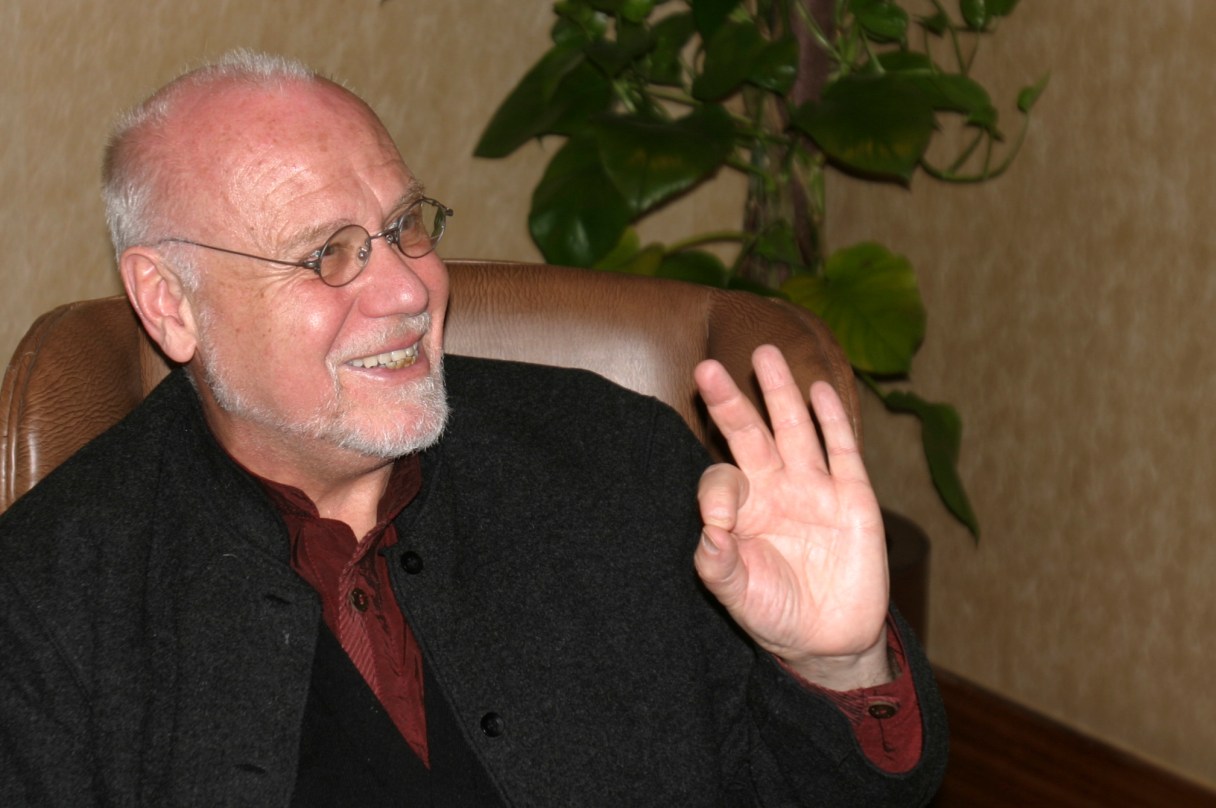
BEIJING (AP) – The veteran European festival chief that Beijing hopes will raise the profile of its annual film event says his passion for movies stems from trips to China that started during the Cultural Revolution.
Marco Mueller’s latest of more than 100 trips to China is as general adviser to the fifth Beijing International Film Festival that opens Thursday. The Swiss-Italian’s hiring is part of attempts by Beijing municipal government and national film authorities to promote their festival, along with an international jury led by Luc Besson and a speech by Arnold Schwarzenegger.
Mueller first visited China in 1974 as part of a batch of European exchange students and scholars. It was toward the end of Chairman Mao Zedong’s Cultural Revolution in which millions were persecuted for their political beliefs, social background or because of personal vendettas.
Already proficient in Mandarin, Mueller asked if he could research his master’s thesis on mass literature at a university rather than study at a Beijing language institute.
He jumped at an offer to go to Manchuria, in China’s northeast. However, once there, he could do little research because libraries were closed to foreign exchange students and scholars.