
Friday, November 13, 2026Nov 13

Iran expects delivery of Russian missiles by end of the year

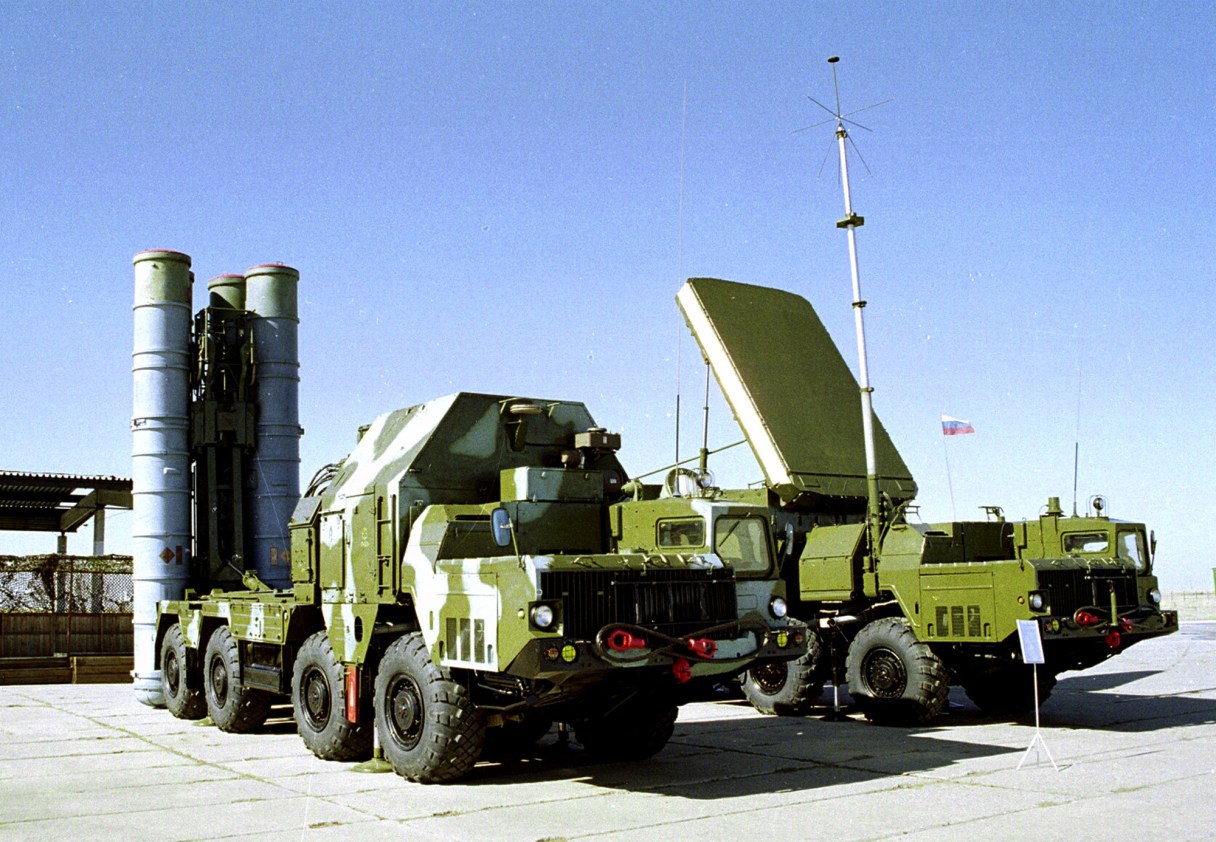
FILE - In this undated file photo a Russian S-300 anti-aircraft missile system is on display at an undisclosed location in Russia. The Kremlin says Russia has lifted its ban on the delivery of a sophisticated air defense missile system to Iran. Russia signed the $800 million contract to sell Iran the S-300 missile system in 2007, but later suspended their delivery because of strong objections from the United States and Israel. The decree signed Monday, April 13, 2015, by President Vladimir Putin allows for the delivery of the missiles. (AP Photo/File)
FILE - In this undated file photo a Russian S-300 anti-aircraft missile system is on display at an undisclosed location in Russia. The Kremlin says Russia has lifted its ban on the delivery of a sophisticated air defense missile system to Iran. Russia signed the $800 million contract to sell Iran the S-300 missile system in 2007, but later suspended their delivery because of strong objections from the United States and Israel. The decree signed Monday, April 13, 2015, by President Vladimir Putin allows for the delivery of the missiles. (AP Photo/File) FILE - In this undated file photo a Russian S-300 anti-aircraft missile system is on display at an undisclosed location in Russia. The Kremlin says Russia has lifted its ban on the delivery of a sophisticated air defense missile system to Iran. Russia signed the $800 million contract to sell Iran the S-300 missile system in 2007, but later suspended their delivery because of strong objections from the United States and Israel. The decree signed Monday, April 13, 2015, by President Vladimir Putin allows for the delivery of the missiles. (AP Photo/File)

MOSCOW (AP) – Russia said Tuesday that it would be at least six months before it could deliver the S-300 air defense missile system to Iran, but the Kremlin confirmed that a barter deal to supply Russian goods in exchange for Iranian oil was already being implemented.

The United States criticized President Vladimir Putin’s decision on Monday to lift a five-year ban on delivery of the missile system, which would give the Islamic republic’s military a strong deterrent against any air attack.

White House spokesman Josh Earnest also expressed concerns about a Russian-Iranian barter deal, which he said had been under discussion for months but had not yet been implemented. If it were to move forward, he said, such a deal would raise serious concerns and could interfere with sanctions that the United States and other Western nations imposed on Iran over its nuclear program.

On Tuesday, Putin’s spokesman, Dmitry Peskov, confirmed statements by a Russian diplomat that Russia already was supplying Iran with various goods in exchange for oil. Peskov said this trade was not barred under the sanctions imposed by the U.N. Security Council.

Back in 2010, Russia had linked its decision to freeze the S-300 delivery to the U.N. sanctions, but Foreign Minister Sergey Lavrov argued on Monday that the decision was taken voluntarily as part of efforts to encourage progress in talks.