
Monday, November 16, 2026Nov 16

Top US lawmakers strike deal to fast-track trade deals

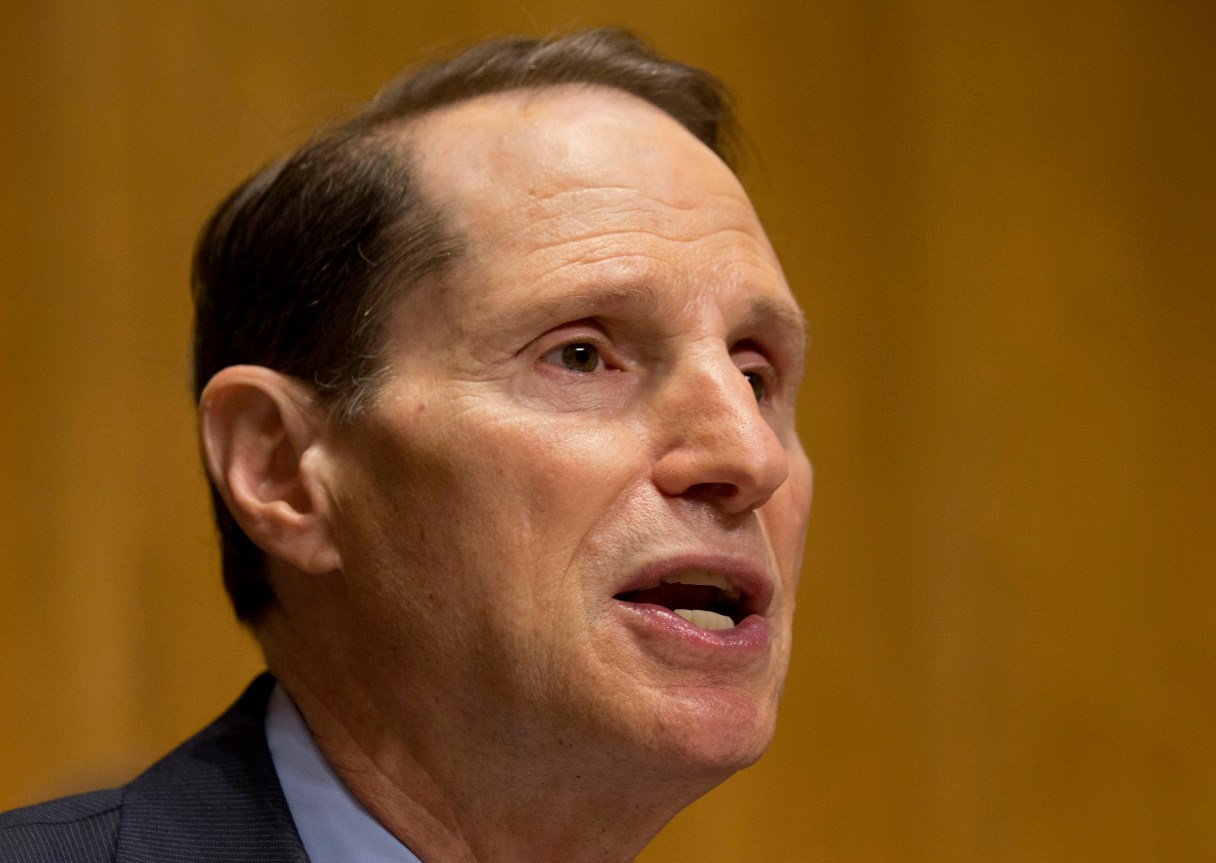
FILE - In this March 5, 2014, file photo, the Senate Finance Committee ranking member Sen. Ron Wyden, D-Ore. speaks on Capitol Hill in Washington. Top lawmakers struck a bipartisan agreement on Thursday to allow President Barack Obama to negotiate trade deals subject to a yes-or-no vote from Congress without the possibility of changes. The "fast-track" legislation comes as Obama seeks a sweeping trade deal with 11 Pacific nations. The Trans-Pacific Partnership proposes a trade agreement involving the United States, Japan, Vietnam, Canada, Mexico and seven other Pacific-rim nations. (AP Photo/Jacquelyn Martin, File)

WASHINGTON (AP) – Top congressional lawmakers struck a long-sought, bipartisan agreement Thursday for the broadest trade policy pact in years, allowing President Barack Obama to negotiate trade accords for Congress’ review and move forward with talks on a sweeping partnership with Pacific nations.

Obama quickly said he will sign the bill if Congress passes it.

“It’s no secret that past trade deals haven’t always lived up to their promise,” Obama said in a statement. “And that’s why I will only sign my name to an agreement that helps ordinary Americans get ahead.”

Chief among the challenges of passing the bill are divisions within the president’s own party. Liberal and pro-business Democrats are bitterly split over the deal’s potential for creating or subtracting American jobs. Under the legislation, Congress gets an up-or-down vote on any such deals, but in exchange cannot make changes – a concern for labor, environmental and other interest groups. The divisions hover over 2016 presidential politics, too, as Democratic contender Hillary Rodham Clinton kicks off her campaign to unite the party.

House Speaker John Boehner applauded the deal but said much of the burden of its success rests with Obama.