
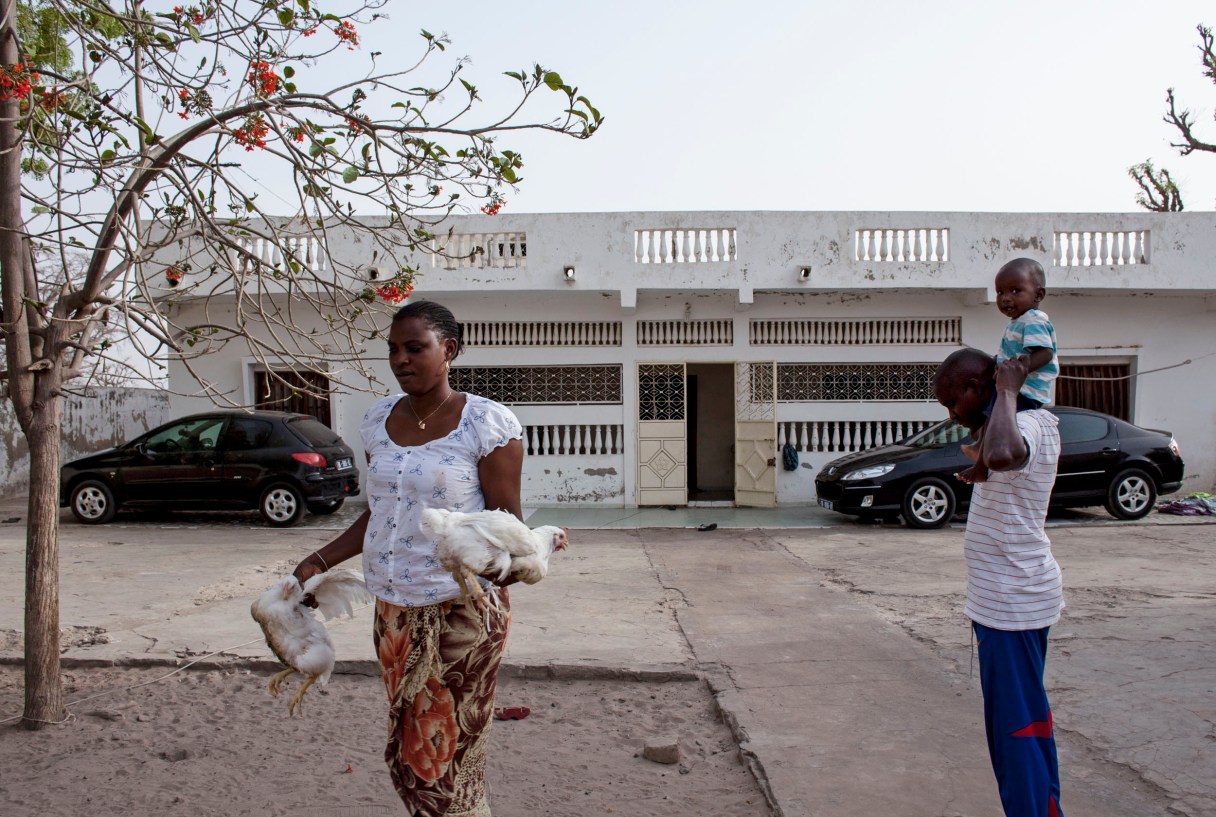
NIAKHAR, Senegal (AP) – Some sea voyages took Senegalese fisherman Samba Ngom away for up to three weeks at a time, but eventually he began dreaming of going further, to a place where he could make more money in a month than most compatriots make in a year.
He and his brother Diam, who was also involved in the fishing industry, set off in separate overloaded wooden boats bound for Spain. On the seventh day, Samba arrived in Spain. On the 10th day, the phone rang: Diam was dead.
“My brother had said there were more things killing him on land than in the water, that if God wanted him to die at sea he could not escape his fate,” Samba recalls quietly now back in Niakhar after nine years working the fields of Spain.
Lured by the possibility of making a decent living, Africans have been attempting the crossing to Europe for decades. Now, the option to pass through Libya, which has sunk into chaos, and to then sail to Europe seems to be fueling both the exodus and the death toll.
Ethiopian Prime Minister Hailemariam Desalegn calls the trek to Europe “the death journey.” Migrants can be robbed, raped or killed by bandits or extremists, die of thirst in the Sahara Desert or drown in the Mediterranean Sea. So far this year, more than 1,700 are dead or are missing and presumed drowned. Yet they keep coming.