
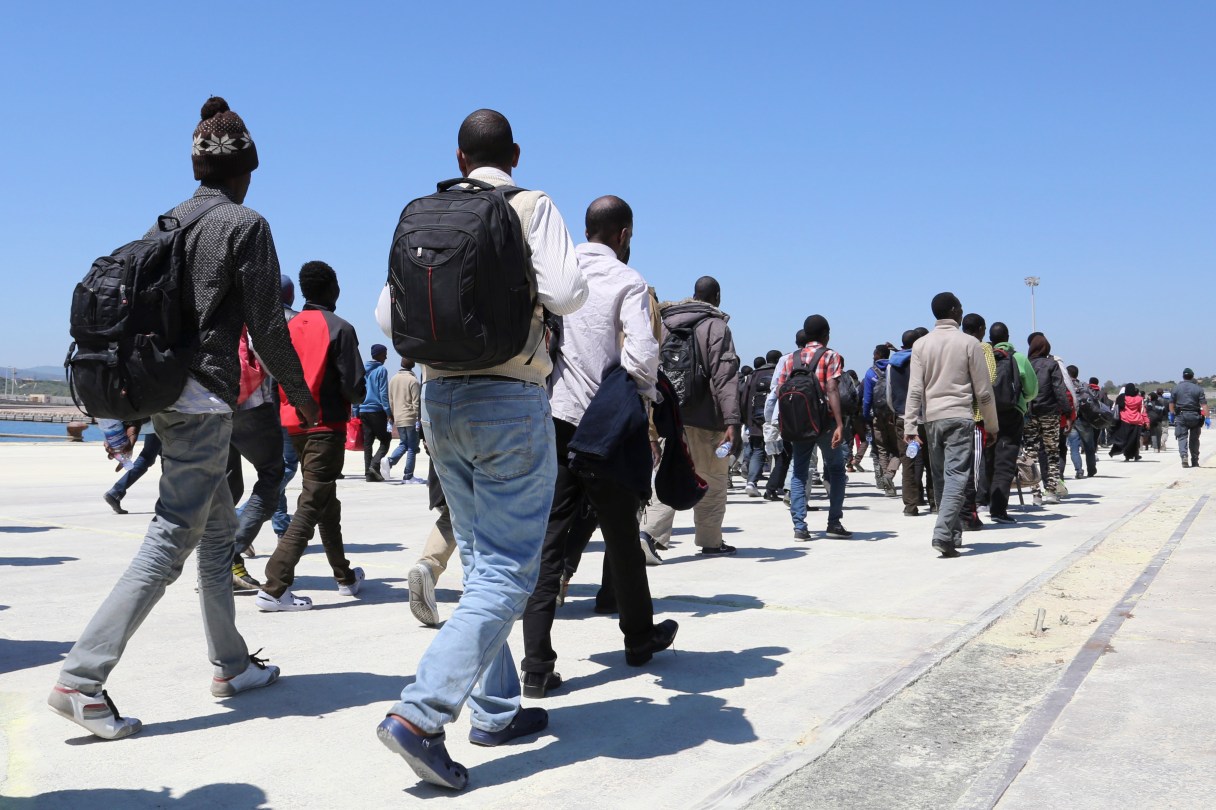
PALERMO, Sicily (AP) – Fleeing war, persecution and poverty, migrants desperate to reach Europe are paying thousands of dollars apiece to become pawns in a multimillion-dollar trafficking network that stretches from the Sahara to Sweden.
By the thousands, they’re handing themselves over to abusive smugglers who hold them hostage in wretched conditions in Libya until their families cough up the cash to fund their trips, using companies like Western Union or more often the informal money transfer network known as hawala that is common in much of the Arabic world.
Those payments fund treacherous trips across the Mediterranean that have killed hundreds of people in recent weeks. And even if migrants survive the crossing, the exploitation doesn’t end there: Smugglers, acting more like illicit travel agents than criminal gangs, arrange passage to safe houses in Sicily, buy bus tickets for new arrivals and even accompany their charges to their final destinations north, for thousands of dollars apiece.
Interviews with migrants, prosecutors, police and aid groups provide a portrait of the money trail that is fueling the record migration wave hitting Europe, creating a new migrant mafia that so far has sidelined Italy’s traditional mobs. It’s the Mediterranean piece of the global human trafficking pie that the U.N. says helps generate some $150 billion in illicit profits from forced labor each year.
“Human trafficking has become such a lucrative business for criminal gangs around the world it’s probably rivaling the drugs trade,” said Itayi Viriri of the International Organization for Migration.