
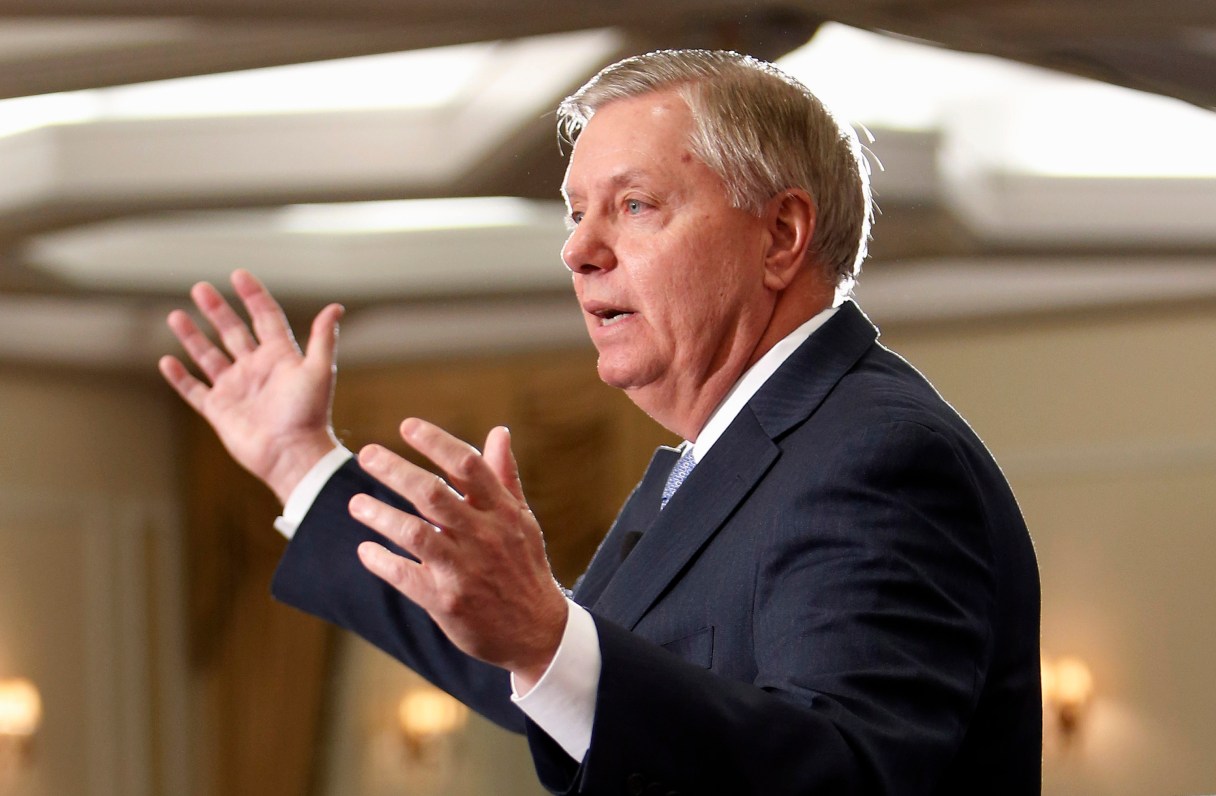
WASHINGTON (AP) – The Obama administration moved on two fronts Monday to advance its nuclear diplomacy with Iran, with talks between top U.S. and Iranian diplomats and an aggressive effort to sell the emerging deal to skeptical American lawmakers and constituencies.
U.S. Secretary of State John Kerry and Iranian Foreign Minister Mohammad Javad Zarif were to meet Monday in New York for the first time since world powers and Iran sealed a framework agreement on April 2 that would limit Iran’s ability to build a nuclear weapon. They now have little more than two months to meet their own deadline of June 30 for a comprehensive accord.
In Washington, lead U.S. negotiator Wendy Sherman told a conference of reform Jews that diplomatic collapse would leave Iran perilously close to nuclear weapons capacity. Energy Secretary Ernest Moniz said a final agreement would in some ways be tougher than what the U.S. has outlined thus far.
All the activity was taking place before Senate debate begins Tuesday over empowering Congress to review and possibly reject any nuclear pact. Republican presidential candidates are lining up to oppose any deal with a government the U.S. considers the world’s leading state sponsor of terrorism and to show their support for Israel.
Sen. Marco Rubio of Florida wants to require Iran’s leaders to publicly accept Israel’s right to exist, a nearly impossible mandate. Sen. Ted Cruz of Texas hopes to put the onus on advocates to win congressional approval of a deal, and not on opponents to gather enough votes for rejection.