
Sunday, November 15, 2026Nov 15

Trade deal poses dilemma for Clinton in Democratic primary

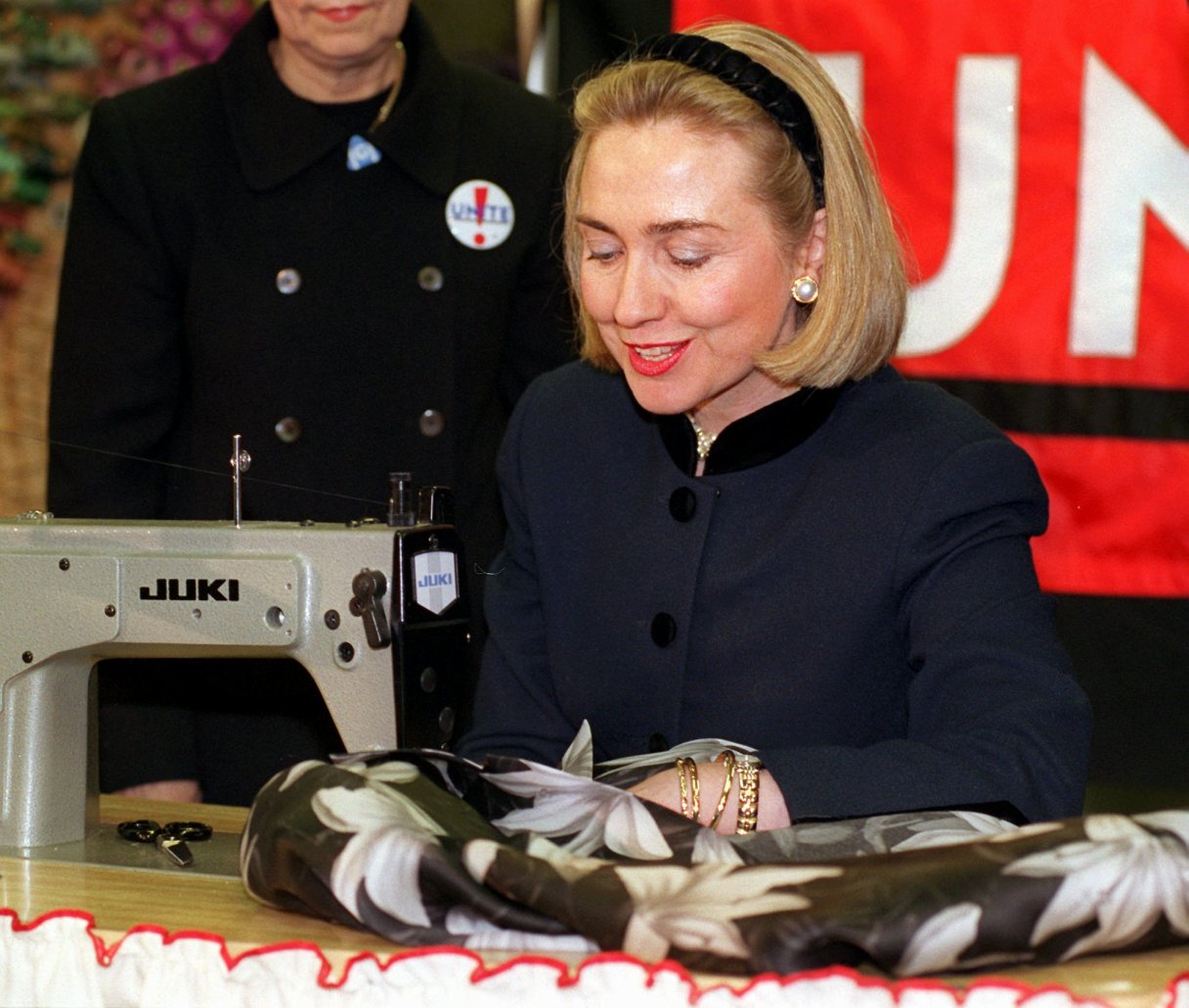
FILE - In this March 6, 1996, file photo, then-first lady Hillary Rodham Clinton sews a label into a woman's floral print jacket at designer Nicole Miller's New York showroom as the symbolic first label of UNITE, the organization that resulted from the merger of the International Ladies Garment Workers Union and the Amalgamated Clothing and Textile Workers Union. Clinton’s support for trade deals has fluctuated with the political calendar. As first lady, she trumpeted the North American deal brokered by her husband, telling unionized garment workers in 1996 that the agreement was "proving its worth." Now, early in her Democratic presidential campaign, she’s striking a different tone. (AP Photo/Richard Drew, File)

WASHINGTON — On a trip to Australia in 2012, Hillary Rodham Clinton lavished praise on the proposed Trans-Pacific Partnership, calling it the “gold standard” in efforts to create open and fair trade.

Now, early in her Democratic presidential campaign, she’s striking a different tone — determinedly non-committal, with a hint of skepticism about the sweeping trade agreement she promoted as President Barack Obama’s secretary of state. “Any trade deal has to produce jobs and raise wages and increase prosperity and protect our security,” Clinton said at a New Hampshire community college last week.

The 12-nation Trans-Pacific Partnership under negotiation by Obama has divided the Democratic Party, leaving Clinton caught between angry liberal activists and the president she once served. It’s a fight Clinton has seen before.

She went from backing the North American Free Trade Agreement in the 1990s to renouncing it during her first presidential bid in the 2008 campaign — her positions on trade shifting several times over her decades in politics.

Now, Republicans are pressing for a closer look at what she’s said and done on trade, with the Republican National Committee filing a request under the public-records law for her State Department correspondence with the U.S. trade representative.