
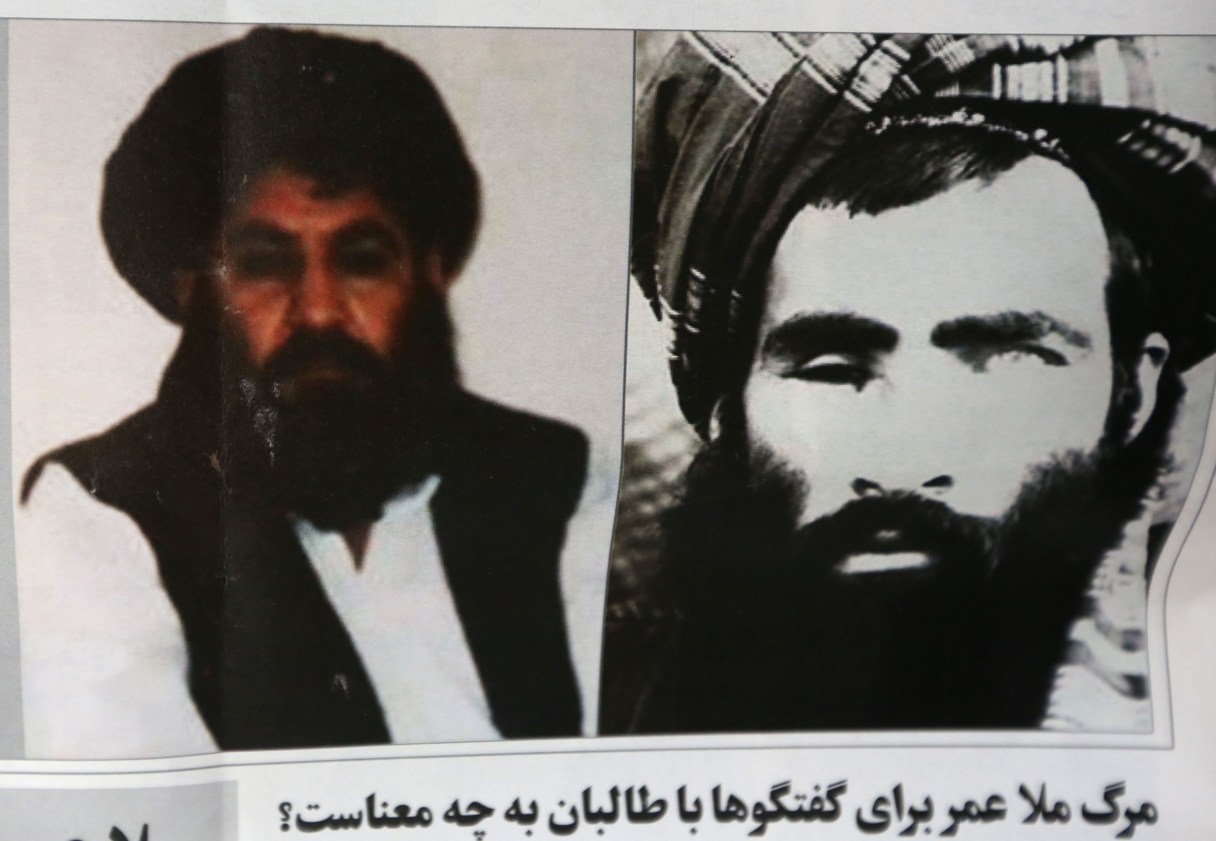
KABUL, Afghanistan (AP) – The Afghan Taliban has confirmed the death of its reclusive longtime leader, Mullah Mohammad Omar, after the Kabul government reported that he had been dead for more than two years. The move has led to a leadership crisis in the Taliban, as Mullah Omar’s longtime deputy takes the helm over the objection of the former leader’s relatives.
Here’s a look at where things stand:
___
WHAT’S AT STAKE
The previously united front that the Taliban presented to the world has been shattered. Mullah Mohammad Akhtar Mansoor who, according to the Afghan government, has been the Taliban’s shadow leader for years, was elected to succeed Mullah Omar. But Mullah Omar’s son Yacoob has publicly rejected Mansoor’s election and called for a new vote that encompasses all Taliban commanders, including those fighting in Afghanistan. The splintering of the group could see disaffected Taliban fighters and field commanders defect to rival factions such as the Islamic State group – which has been trying to recruit in Afghanistan. Mansoor’s priority in the coming days and weeks will be to consolidate his position.