
WASHINGTON (AP) – President Barack Obama is casting a looming congressional vote on the Iran nuclear deal as the nation’s most consequential foreign policy debate since the authorization of the Iraq war, a now unpopular decision that still reverberates through American politics.
In a bid to discredit criticism of the deal, Obama will also argue in a speech Wednesday at American University that the people who supported the Iraq war now oppose the diplomatic deal with Iran.
The backdrop for Obama’s speech is meant to link the nuclear accord to a long tradition of American diplomacy, often conducted with unfriendly nations. He’ll speak at the same university where President John F. Kennedy made a famous call for Cold War diplomacy and nuclear disarmament. His address also coincides with the anniversary of the nuclear test ban treaty, the landmark 1963 agreement Kennedy and leaders from the Soviet Union and Britain finalized shortly after the president’s well-known speech.
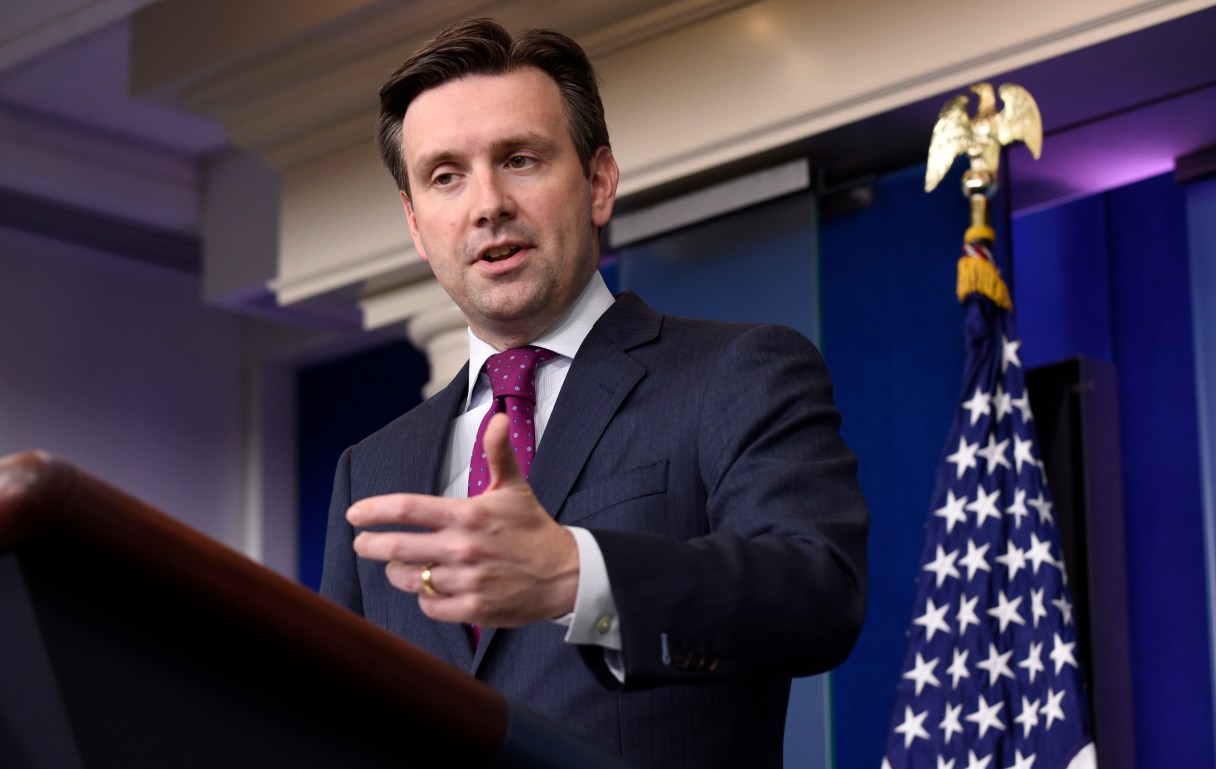
The White House has encouraged comparisons between Kennedy’s treaty with the Soviets and Obama’s nuclear accord with Iran. Spokesman Josh Earnest said both diplomatic deals underscore “the effectiveness of principled, smart, tough diplomacy, even with our adversaries, to advance the national security interests of the United States.”
Obama’s address is part of an intense summer lobbying campaign by both supporters and opponents of the nuclear deal. Congressional lawmakers will vote next month on a resolution either approving or disapproving of the pact.