
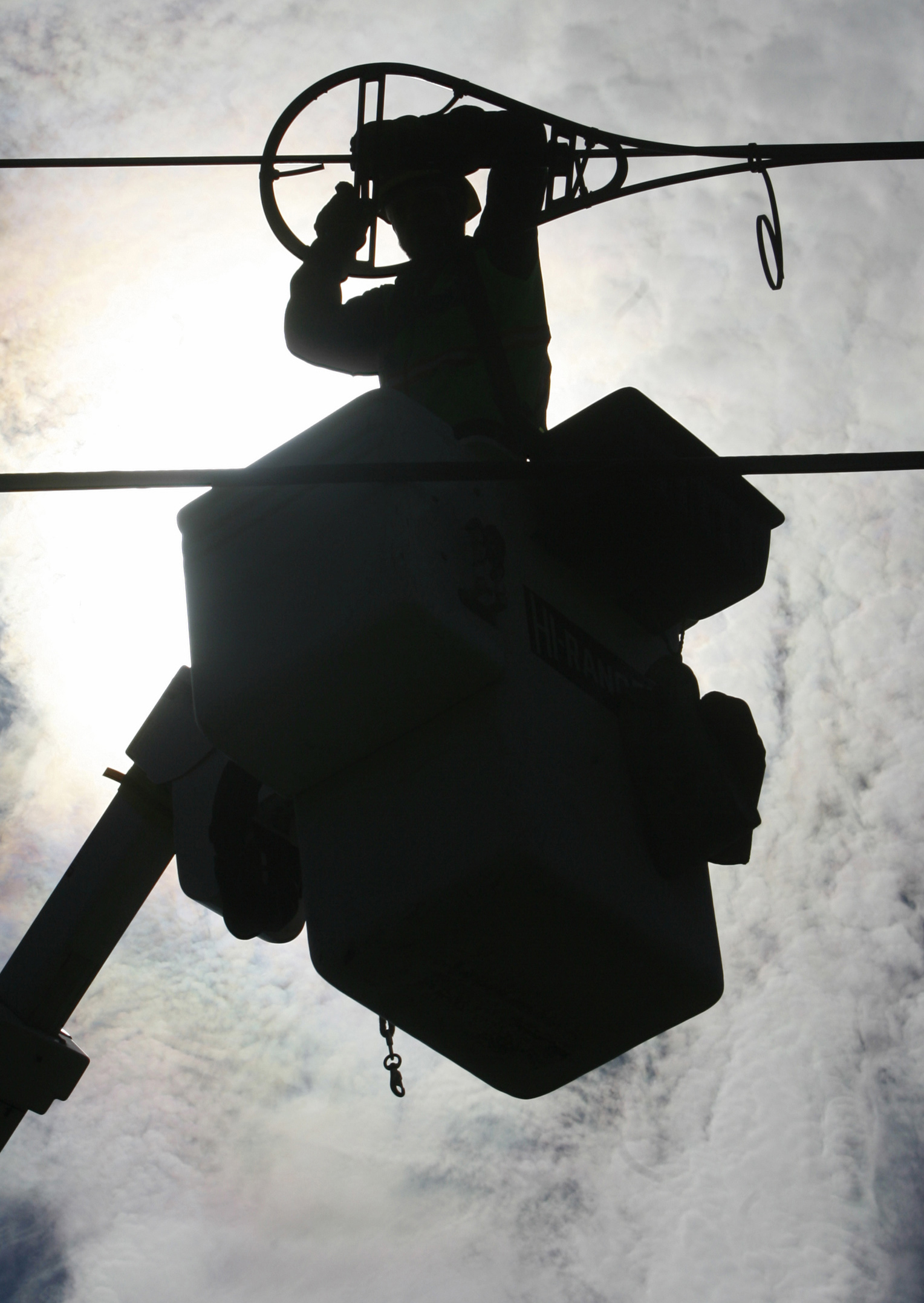
WASHINGTON (AP) – The copper network behind landline phones, a communications mainstay for more than a century, is going away, as cable and fiber-optics lines come along with faster Internet speeds.
But the alternatives have drawbacks, including an inability to withstand power outages. The federal government is considering rules Thursday to make sure Americans aren’t caught off guard in emergencies if they switch.
Many people already scoff at the idea of a landline. About 45 percent of U.S. households just use cellphones. But outside of cities, cell service can be poor.
Yet even among households with wired phone service, according to a government study last year, about half of them have already ditched copper-based landlines for an Internet-based phone service sold by phone and cable companies and typically packaged with TV and Internet services. That’s expected to continue.
Fiber and cable networks come with big benefits, such as faster Internet service and expected improvements in 911, including the ability to send texts and photos. Verizon also says fiber lasts longer than copper and doesn’t need as much maintenance.