
A nasty boss got Barbara Dempsey into gardening.
Years ago, when she was working at Volunteer State Life Insurance company in town, she had to regularly deal with a woman in an out-of-state office who “was quite a trial, to say the least. I must admit I used the ‘b’ word a few times.”
“I was so frustrated I took it out on the dirt, I guess,” she says.
Then, in the early 1990s, her husband, Robert, was transferred to Memphis, working there for five years for a trucking company while she stayed in their home in Brainerd. Not having time – nor wanting – to mow a big lawn, she took steps to reduce the amount of grass.
“I took a waterhose and soaked an irregular-shaped island in the center of the front yard and I planted a bed,” she says.
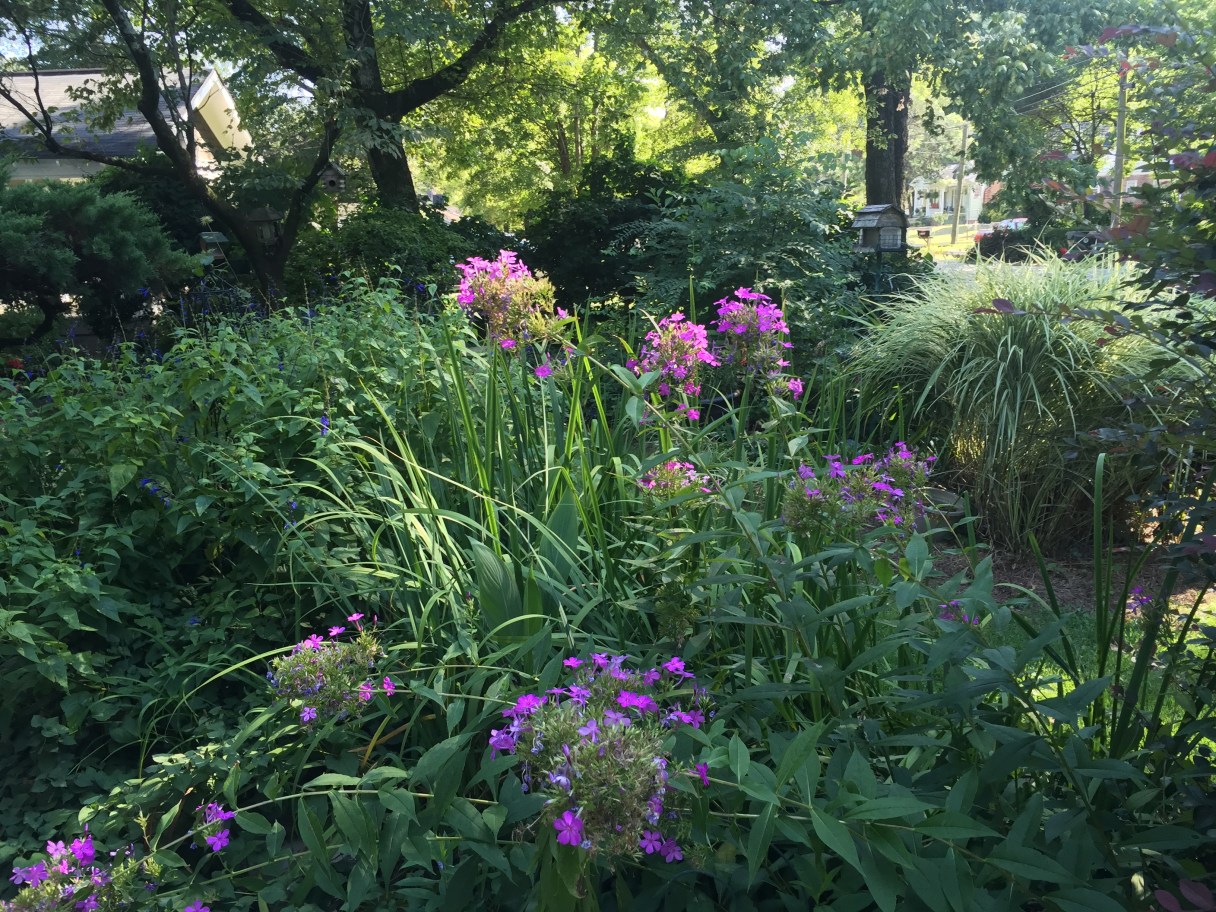
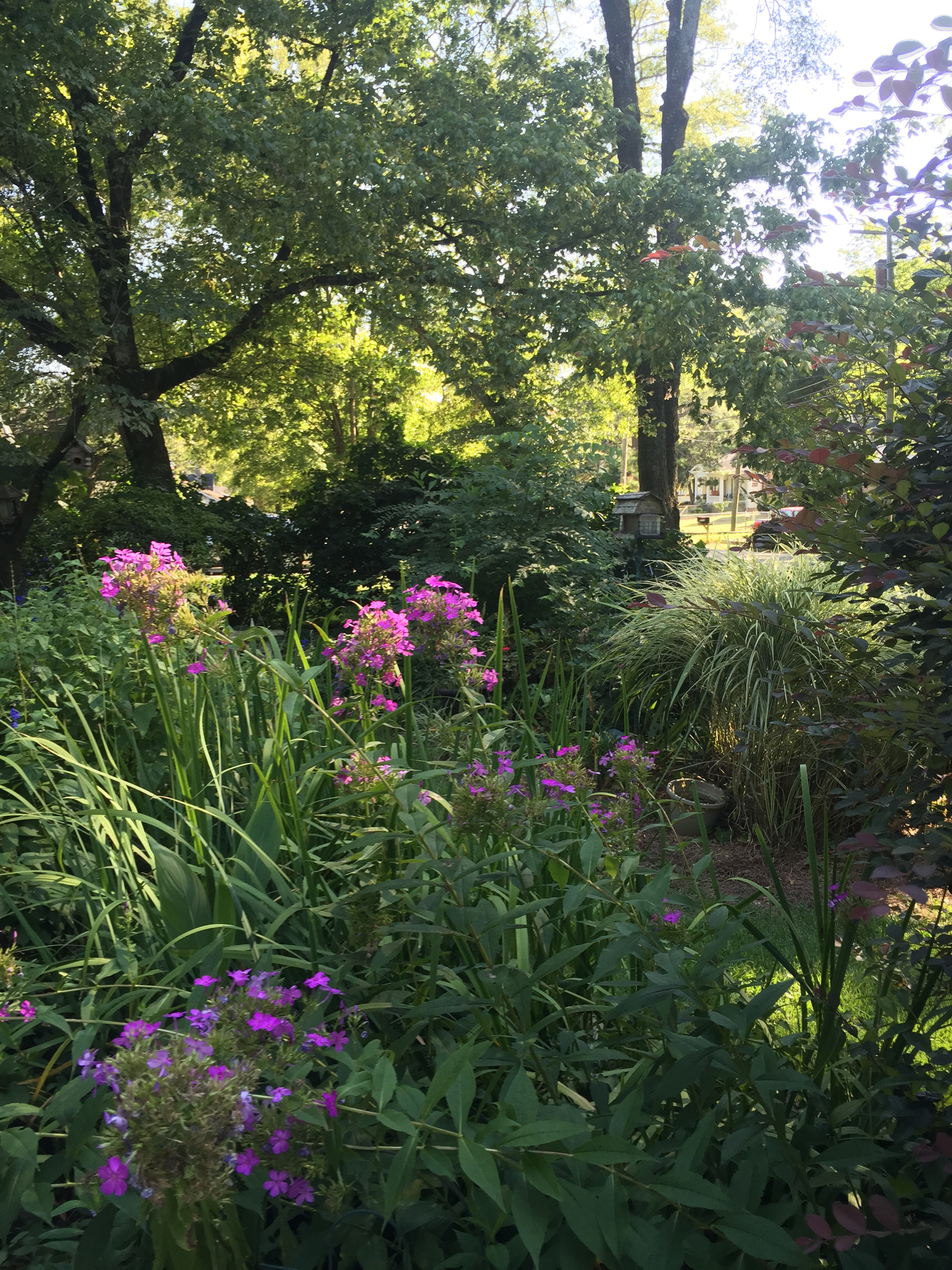
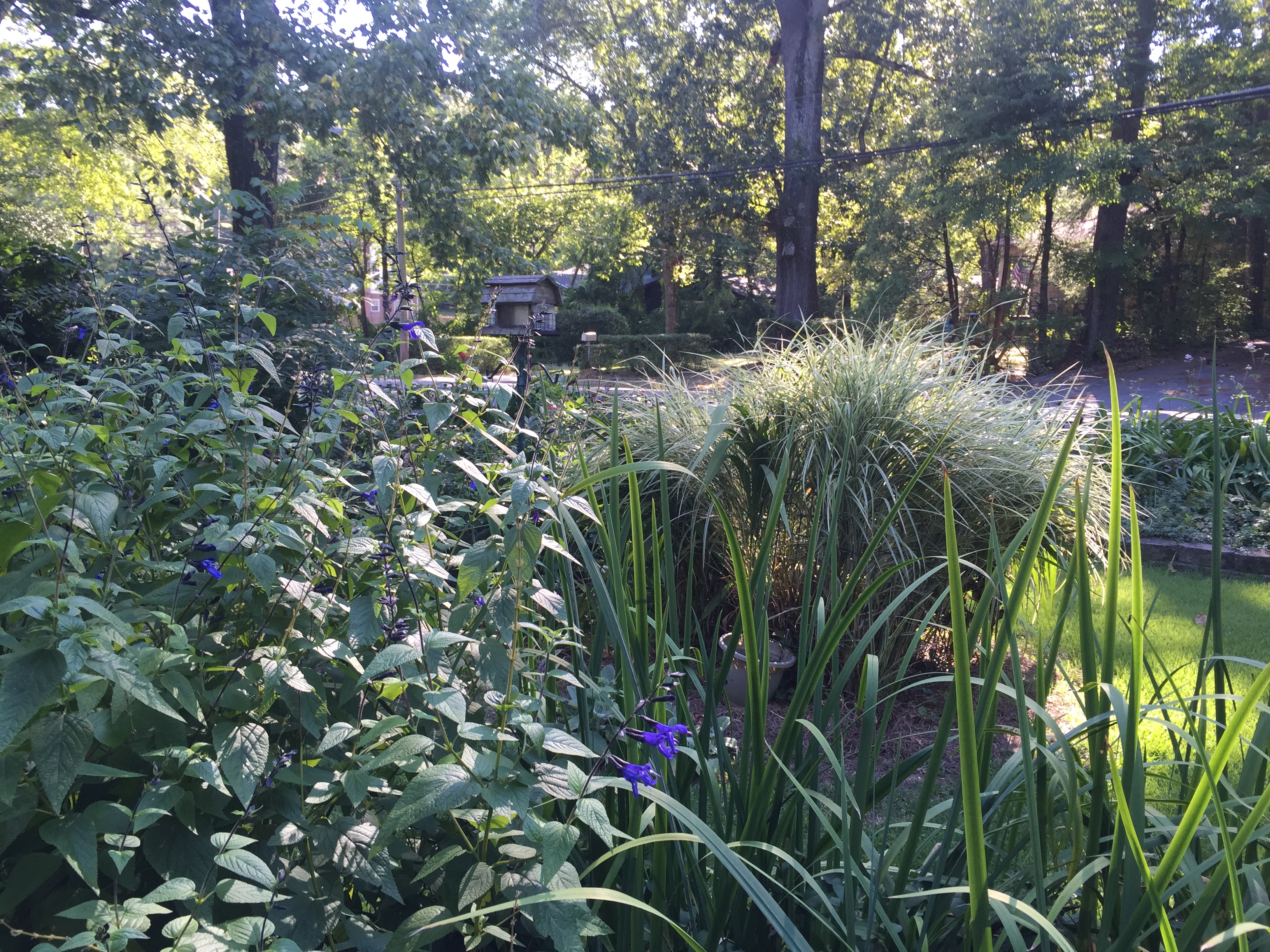
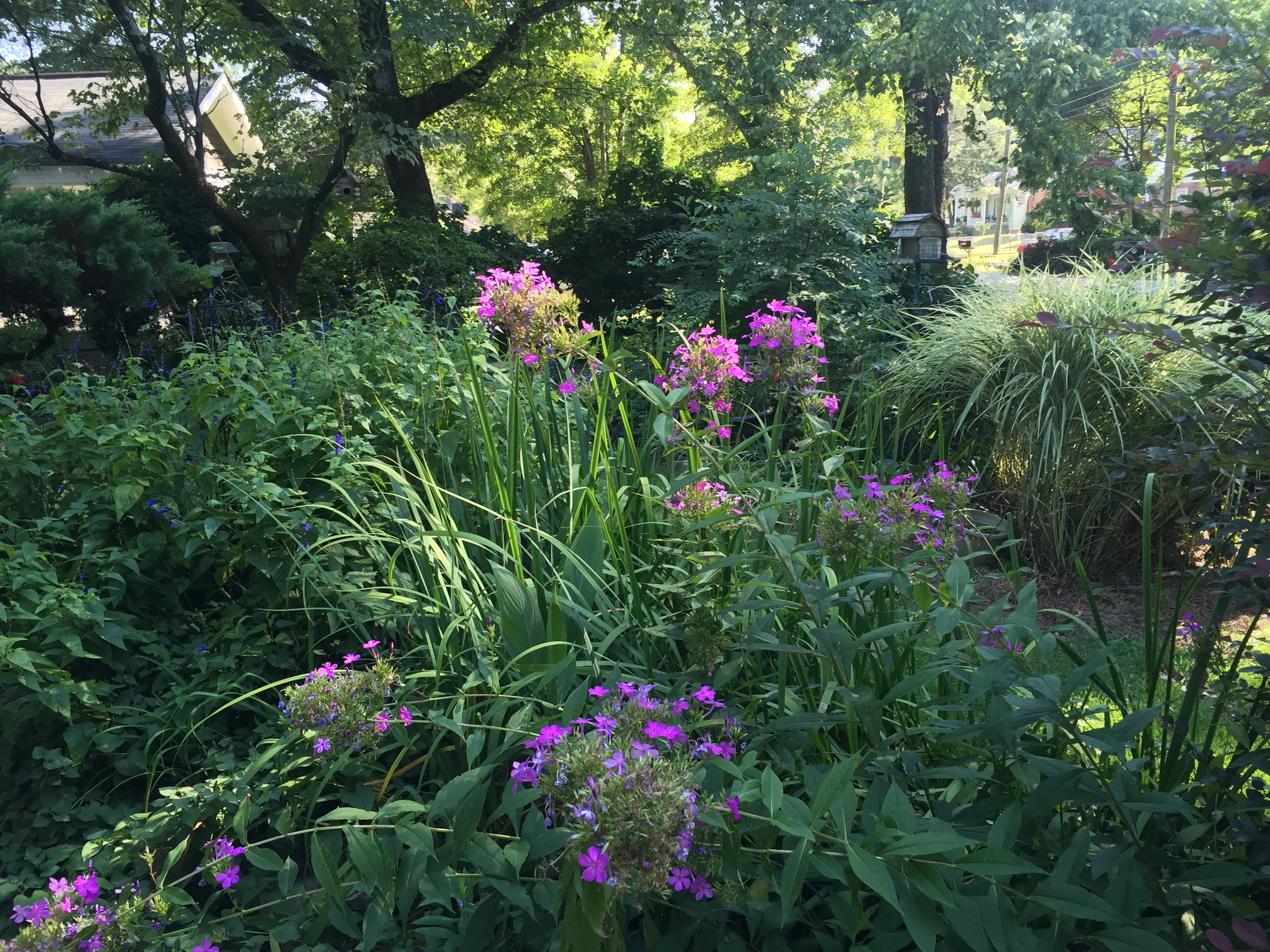
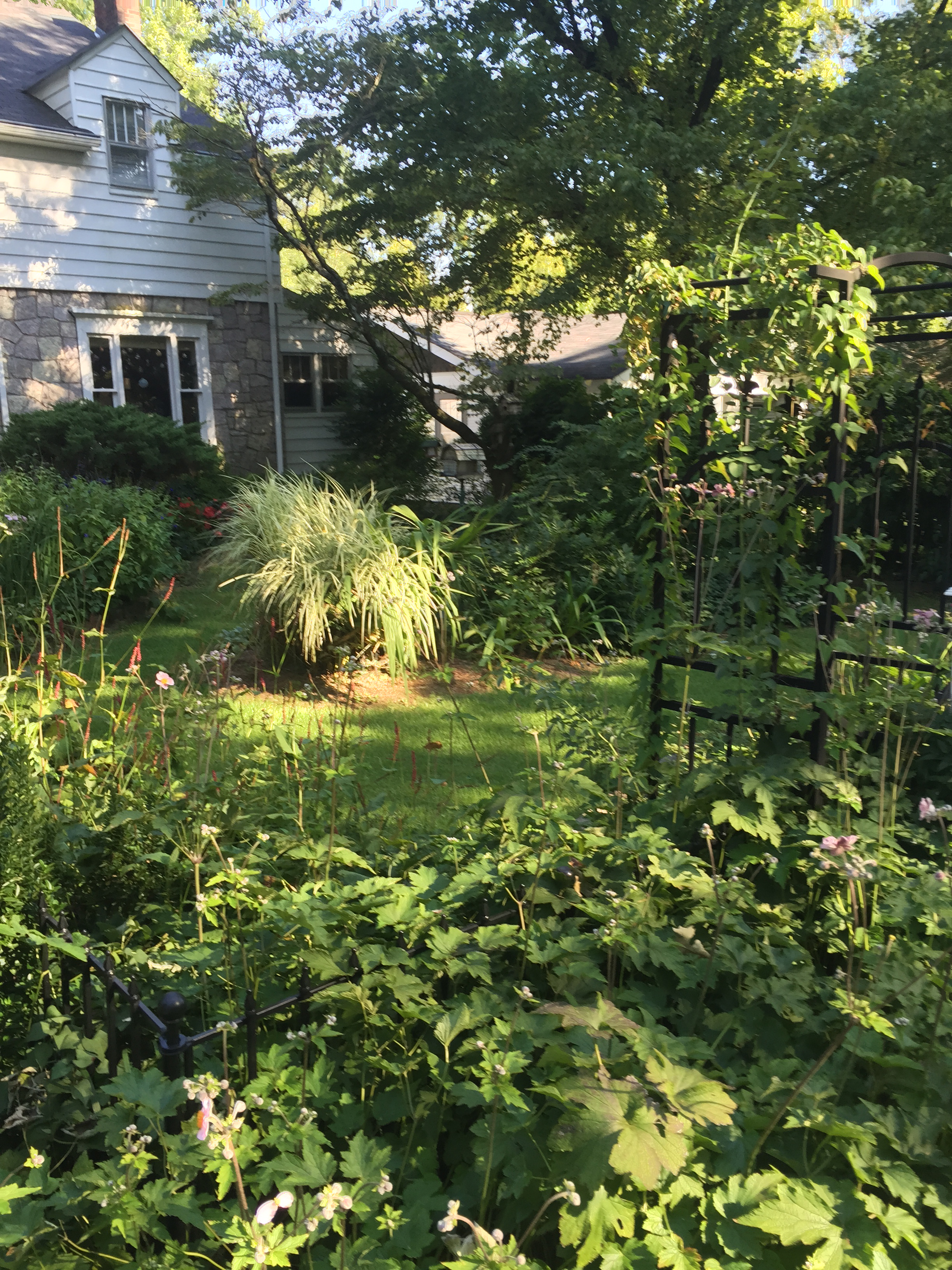
And it just took off from there. Now her front yard barely has any grass at all; instead, it’s packed to the brim with plants of all types, from flowering to foliage. There are purplish-pink anemones with sunshine-yellow centers, tall agaves, low-to-the-ground hostas, ruby-red begonias, rhodedendrons, Rose of Sharons, shining ornamental grasses and fuschia phlox.
Tips from the rebel gardeners
* Know the community’s rules and work within them. If needed, study city codes and make sure you stay within the rules.* Involve neighbors and recruit their support.* Consider aesthetics in the design.
What there isn’t is a lot of grass. Anywhere. To kill the lawn along the sides of the house, she took old rugs, threw them on top of the grass and covered them with pinestraw.
For decades, the perfectly mowed lawn has endured as an American pursuit. But a growing number of homeowners are rethinking this default landscape feature as they downsize or replace these grassy spaces with other more productive and often less time- and chemical-consuming alternatives.
The less time-consuming part is key for her, Dempsey says. Everything in her yard is low maintenance.
“I totally appreciated the fact that the Lord led me to plants that took care of themselves. As I get older, I have less time and energy,” says the 77-year-old, who still works part-time in Chattanooga State Community College’s Adult Education Department. “Everything in the front yard is plants that come up and take care of themselves, for the most part.”
According to Susan McCoy, author of the 2015 Garden Trends Report, more homeowners are rebelling against horticulture norms.
“We started seeing this trend with the backyard chickens and front-yard vegetable gardens, where people were forgoing lawns for more productive spaces,” McCoy says.
Around Chattanooga, you can find homes with landscaping pebbles replacing grass or even front yards that have been turned into a series of raised-bed vegetable gardens.
“We’re not trying to irritate people,” says Dan Deters of Oakley, a blue-collar-turned-upscale neighborhood of Cincinnati, Ohio. “It’s not like we’re putting toilets out front and filling them with flowers.”
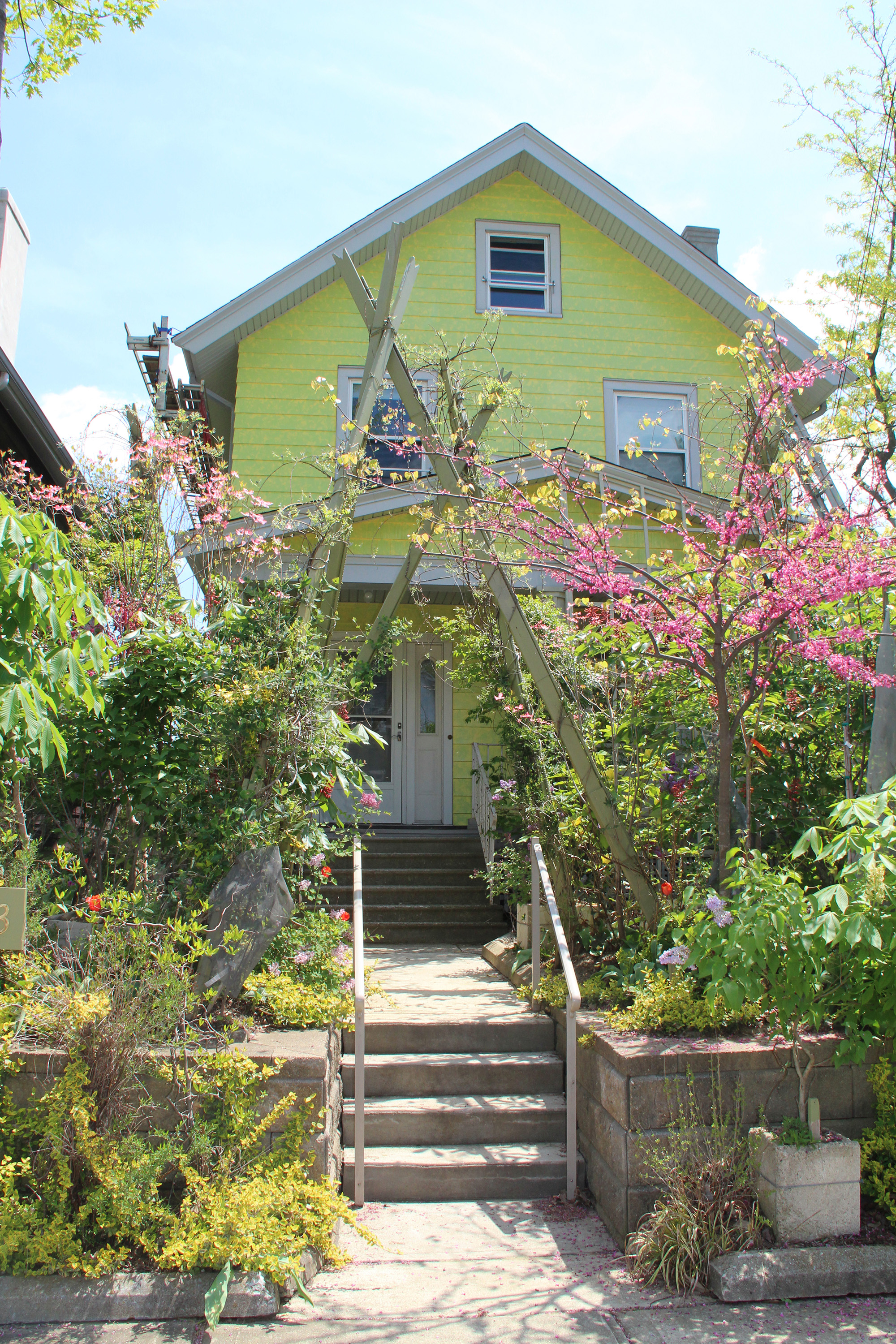
Instead, he installed 50 teepee-style trellises to support flowering vines of wisteria, roses, clematis and honeysuckle. His green trellis botanical garden, as he calls it, spans his 80-by-100-foot property and the adjoining properties of four boardinghouses that he owns and manages for 20 developmentally disabled adults.
“My residents love it, and, as the saying goes, nature does help nurture when it comes to their mental health,” Deters says.
A sale on wisteria prompted Deters’ vertical garden. He had always dreamed of growing wisteria but considered it too expensive at $50 a plant. So when a big-box store offered them at $20 for a three-plant container, Deters purchased 20 pots and took them home. For the next 18 months, he experimented with trellis materials and heights.
In 2012, the “overnight appearance of 50 trellises” generated opposition from some neighbors, he says, so he posted signs that read, “Please give the plants a chance,” and encouraged neighbors to be patient until the plants matured and covered the stark teepees. He created a “Green Trellis Garden” Facebook page, printed an informational brochure and worked with the Oakley Community Council to design the trellises within the city code.
Today, the fully mature gardens have generated a number of fans, including landscape designer Alexander Smith, who happened upon the gardens when looking for a parking spot. Luckily, Smith found Deters working in the garden and was offered a tour.
“I was transfixed by his story as a caregiver of these adults and caretaker of these connected gardens,” says Smith, who has since returned annually with area landscape design and horticulture friends. “When I saw his teepees, I thought, ‘What a great use of space.'”
Tribune News Service contributed to this story.
Contact Shawn Ryan at sryan@timesfreepress.com or 423-757-6327.