
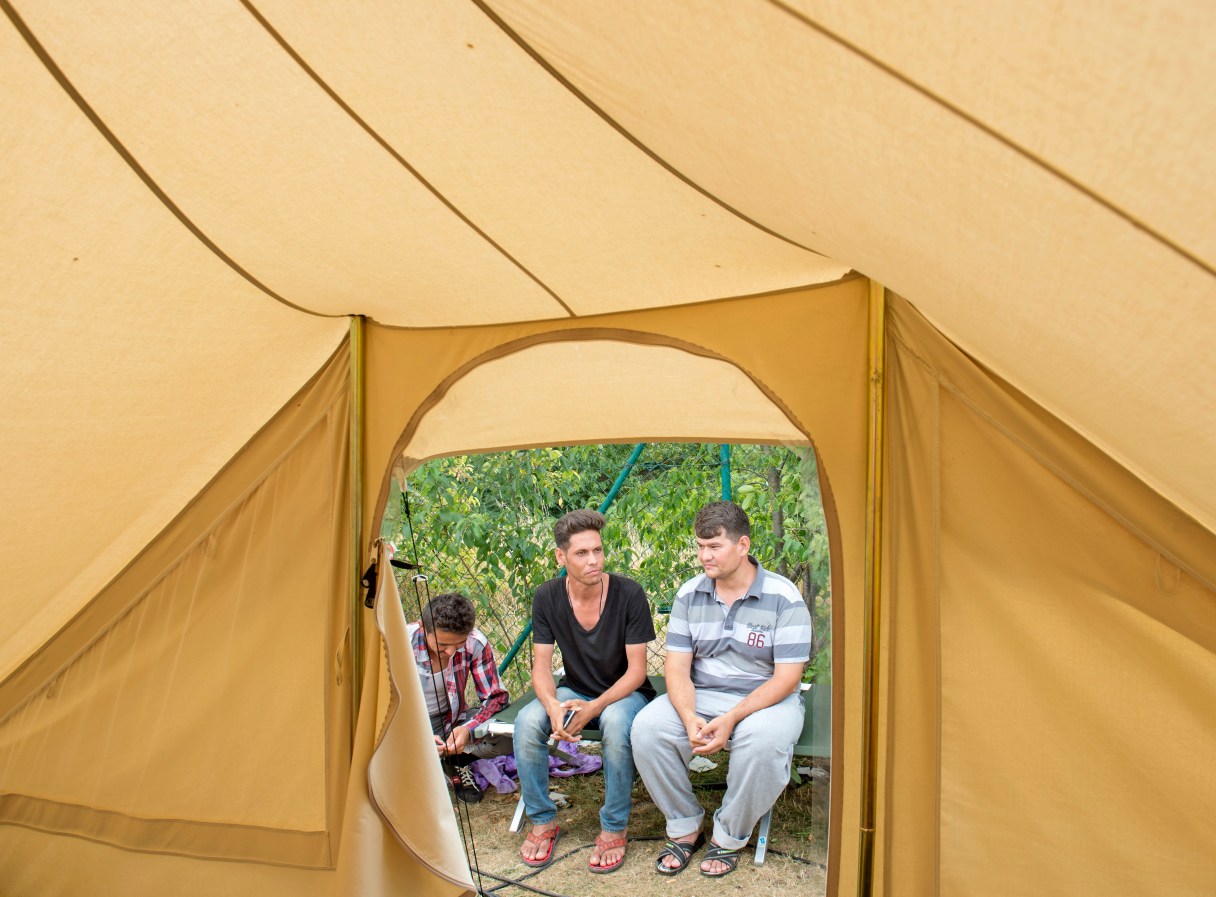
BERLIN (AP) – The burning newspapers placed outside the home of five asylum seekers in Brandenburg an der Havel, a small town near Berlin, prompted a swift response. Germany’s foreign minister called the incident last month, in which nobody was injured, a “cowardly act of arson.”
It happened the week authorities revealed a sharp rise in the number of crimes against asylum seekers or refugee homes during the first half of the year. In the six months ending June, some 202 incidents were reported – more than during all of 2014.
But the apparent rise in hostility toward refugees, many of whom see wealthy Germany as a kind of promised land, has been countered by an outpouring of sympathy and support for people seen as desperate victims of poverty or violence. In recent months, Germans have flocked to join welcome committees for asylum seekers. Students, retirees and even one conservative lawmaker have taken refugees into their homes. Others have created websites to organize car rides for refugees wanting to come to Germany for accommodation and jobs.
“We felt we just had to do something to assist these people, because they deserve our help,” said David Jacob, a 24-year-old student from Berlin who co-founded workeer.de, a site that matches up refugees and employers. Launched at the end of July, the site already has over 1,000 registered refugees and 450 employers.
The starkly differing reactions to the influx of refugees points to an increasing polarization in Germany, with growing acceptance of outsiders by a majority but a persistent and possibly radicalized minority fearful of all things foreign.