
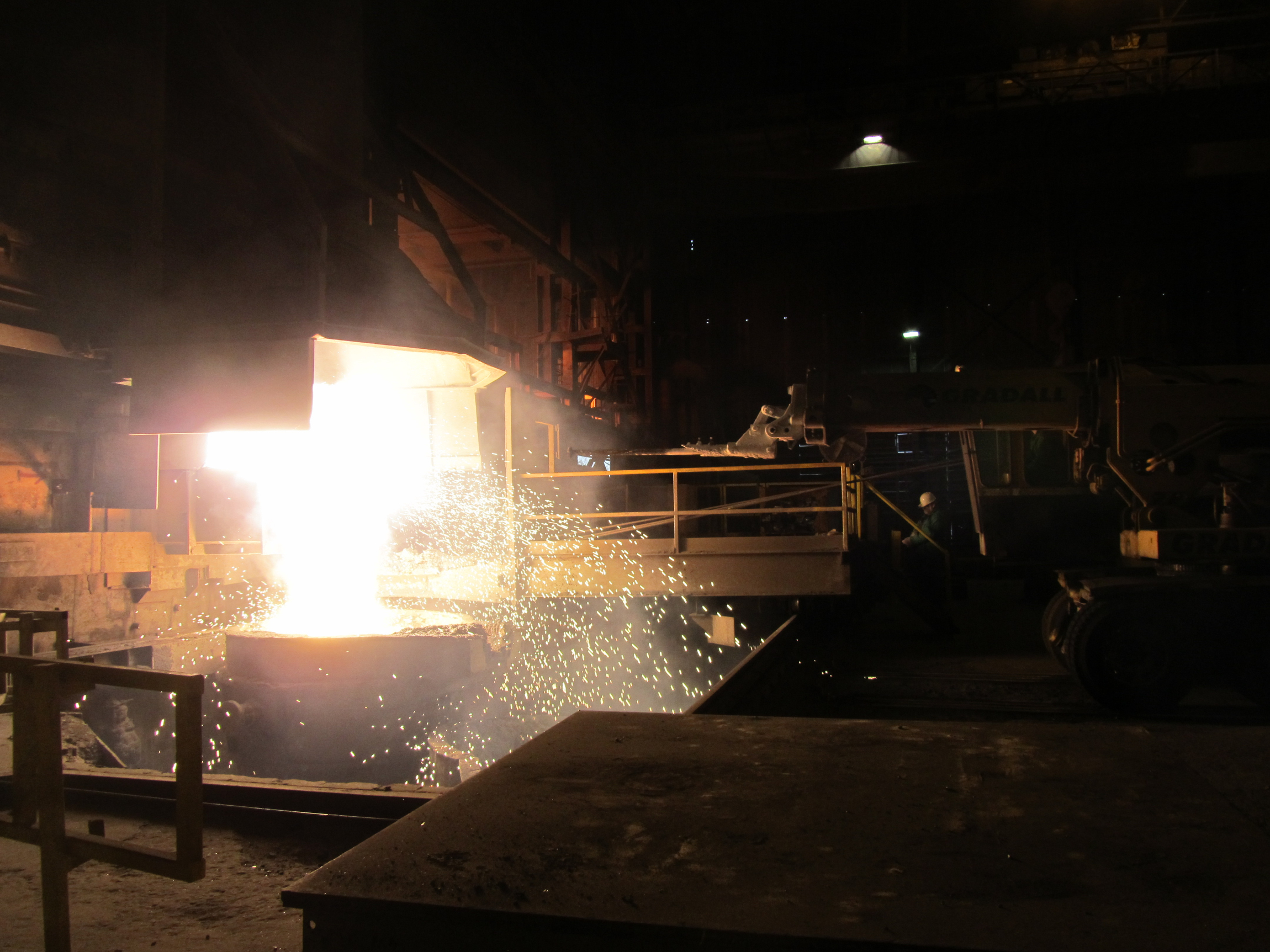
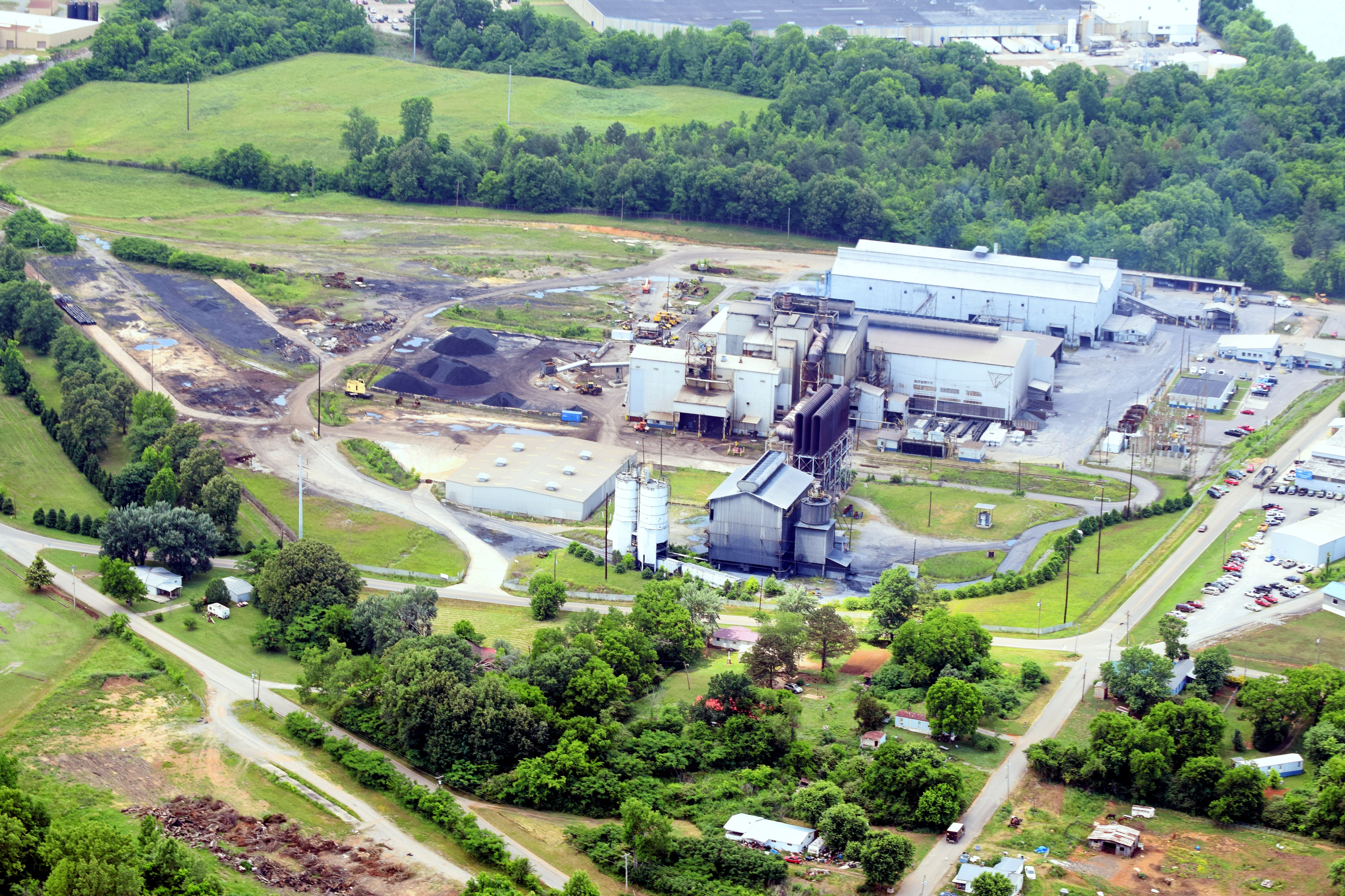
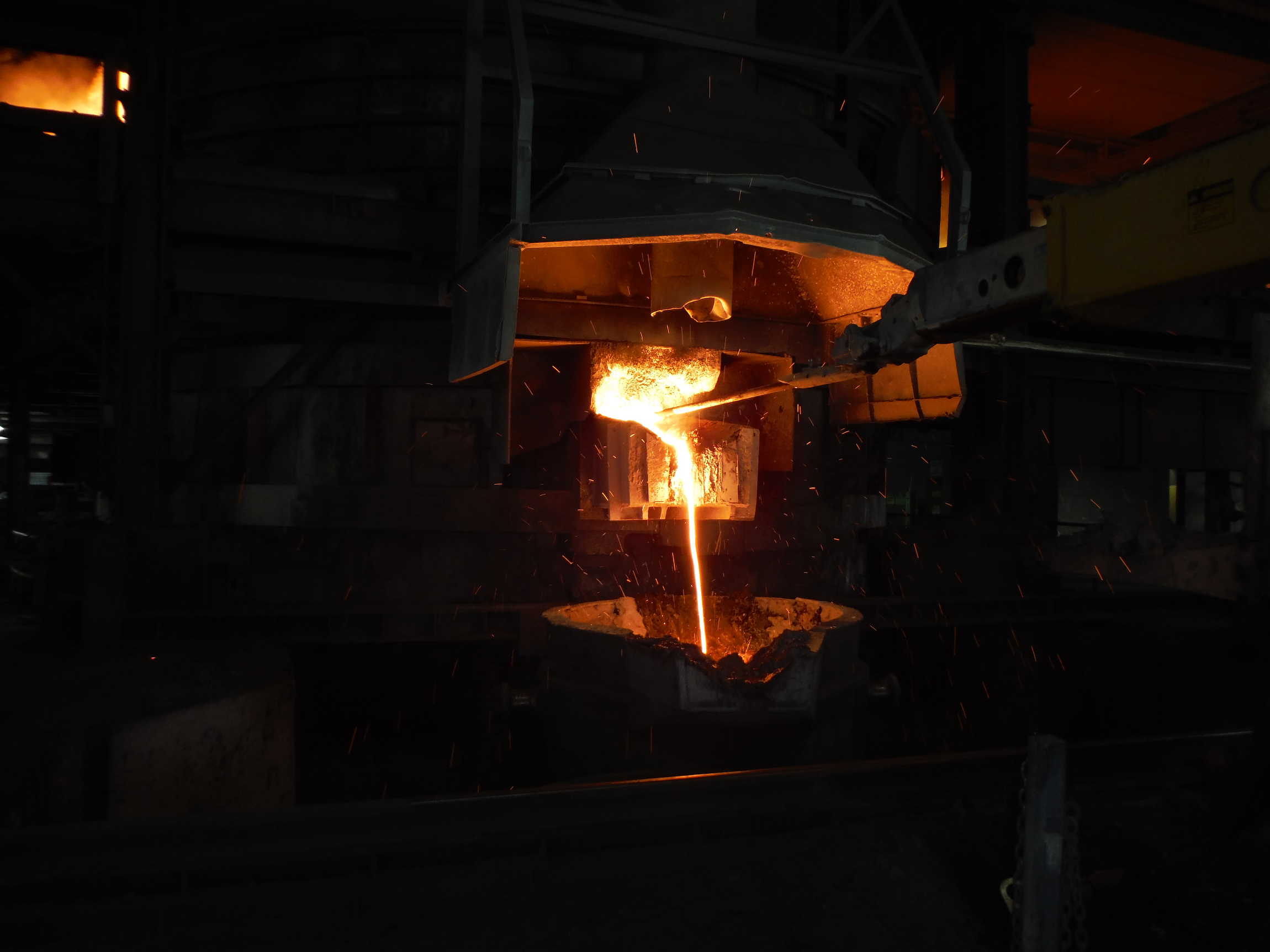
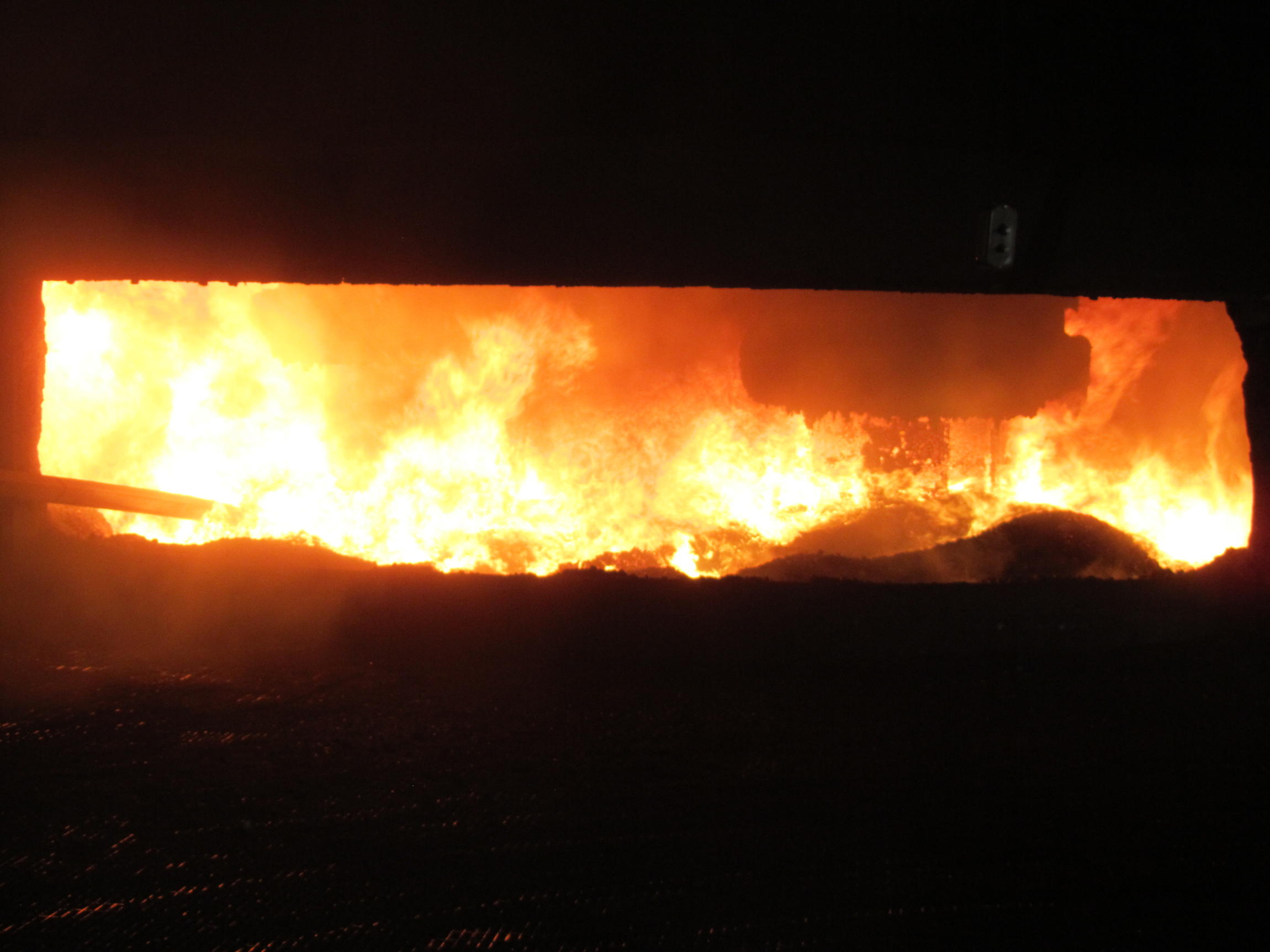
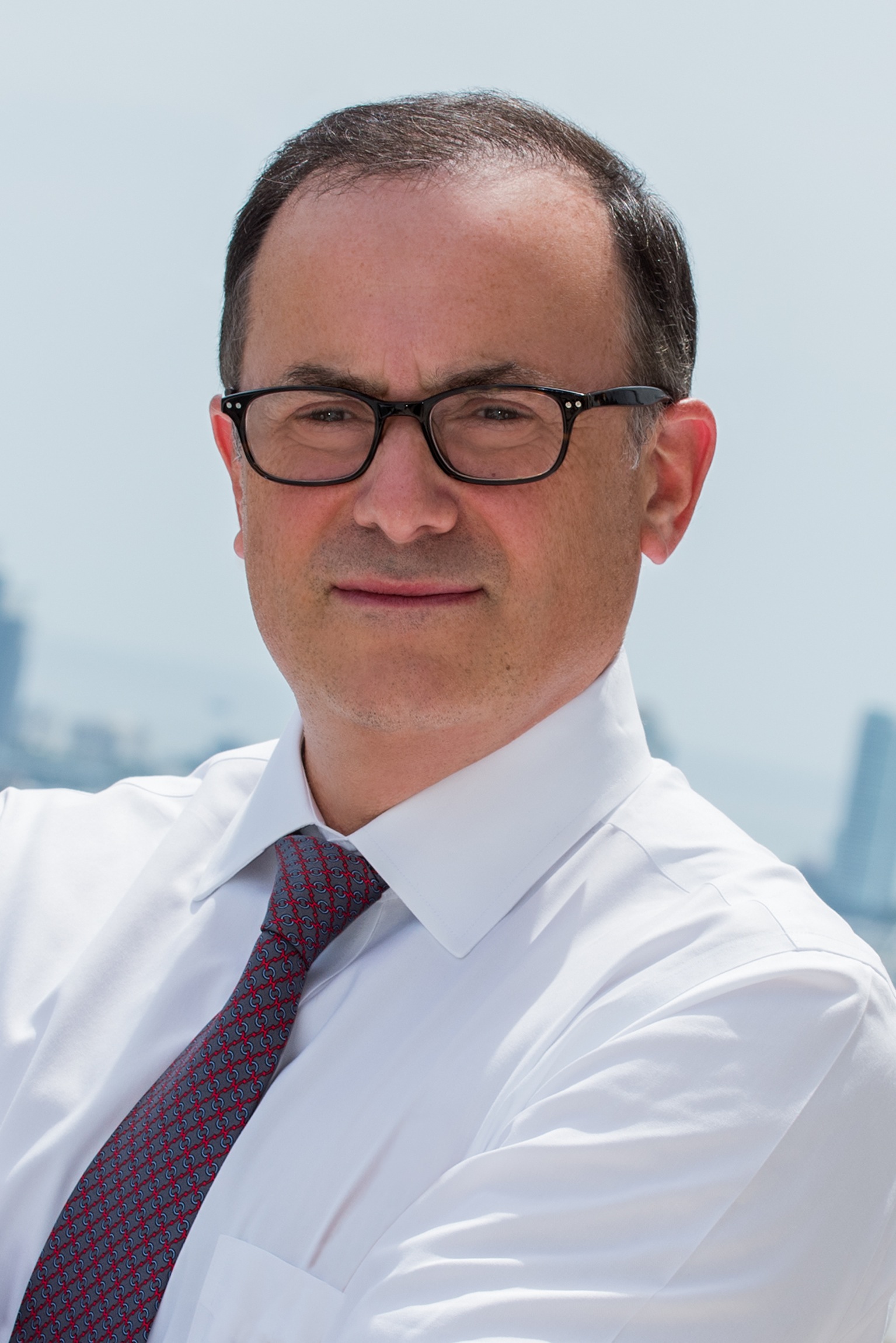
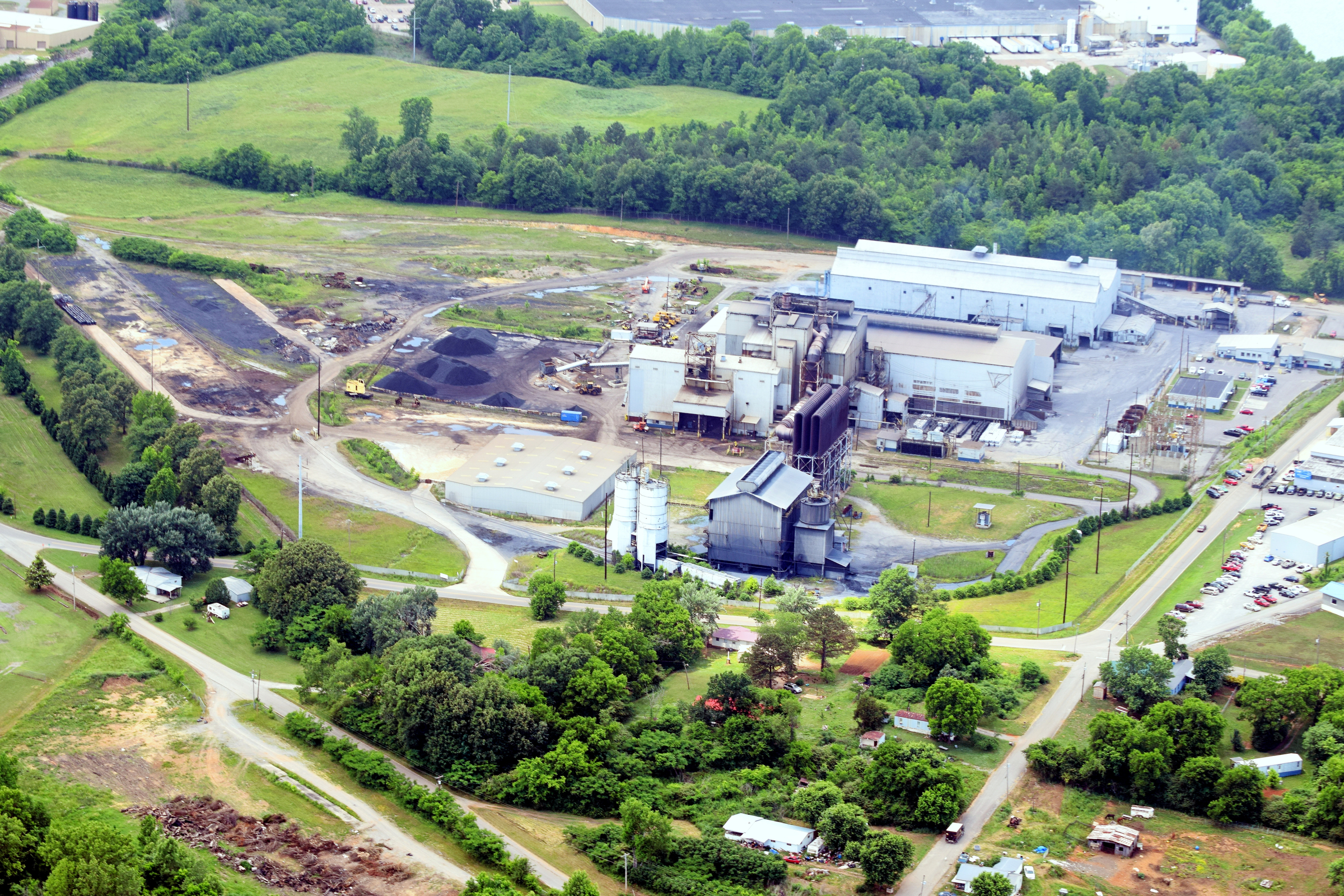
The head of what will soon be the world’s biggest producer of silicon metals says he learned a valuable business lesson in Bridgeport, Ala., when he bought the Tennessee Alloys plant during the Great Recession.
Alan Kestenbaum, who heads Globe Specialty Metals, traveled to Bridgeport in the spring of 2010 when he was negotiating with a New York private equity firm to acquire the Tennessee Alloys Co., plant which makes ferrosilicon in Bridgeport.
The former owners touted how they had cut costs, in part, by cutting worker wages by 40 cents an hour, or $3 a day, in a contract negotiated with the United Steelworkers union during the depths of the recession in 2009.
While the former owners were proud of their cost cutting, Kestenbaum’s questioned the value of the $54,000 annual savings in a company with more than $50 million in annual revenues.
“It seemed like there must be some way better way than taking the equivalent of McDonald’s lunch money away from the workers,” Kestenbaum said.
Once the deal closed, the first thing Kestenbaum did was restore the workers’ former wage level.
The move helped the the new owner win over worker support and boost productivity and profits at the ferrosilicon-making plant. Kestenbaum says he is eager to use the same approach to the coming merger with a major French metals and silicon maker.
Kestenbaum, who founded Globe Specialty Metals in 2004, announced plans earlier this year to acquire Grupo FerroAtlantica in Madrid, Spain to create a combined company with more than $3 billion in annual revenues. The merger is expected to close later this year.
“My experience in Bridgeport taught me an unbelievable lesson that I have since used not only at this facility but at other plants,” Kestenbaum said. “The lesson is that if you work with the workers, if you give just a little bit extra to these guys, the rewards that you get back are exponential.”
The Bridgeport plant, which was struggling when it was bought in 2010, is now one of Global Specialty Metal’s most profitable operations. The facility is part of the Core Metals Group, LLC and most of the plant workers are represented by the United Steelworkers union.
Tennessee Alloys, which dates back to 1909, moved from Chattanooga to Bridgeport in 1998 when the company was known as International Minerals and Chemicals.
Don Elvert, the current plant manager for Tennessee Alloys Co. who started at the company more than two decades ago, said Kestenbaum’s approach to the local plant has been different than the style of earlier owners.
Elvert said former owners “would tend to take all the money when times were good and be as lean as they could when times were bad.
“Nobody ever really wanted to put the money into the facility,” he said. “It was very tough.”
But he said Kestenbaum’s willingness to reinstate the higher wages and to reinvest in the plant has built confidence, morale and support for the plant among workers.
Company officials concede they still face production and sales challenges in an ever-changing market in which U.S. steel production is down. But silicon is a key element also used to make everything from lipstick and semiconductors to aluminum cars and solar cells.
Kestenbaum said his experience with the steelworkers in Bridgeport has rebounded to his favor across other plants around the globe.
“By having the workers feel appreciated and being able to add value to the company, we ended up with an incredibly efficient workforce – one of the best staffs we have,” he said.
Kestenbaum’s says reinstating the previous wage level “was the best investment I ever made in my life.”
“My philosophy is to hire the right people, pay them well and treat them with respect,” he said.
Kestenbaum announced his latest and biggest merger earlier this year after a decade of acquisitions in the silicon production industry.
Kestenbaum’s Global Specialty Metals is combining with FerroAtlantica, which is owned by Spanish billionaire Juan Miguel Villar Mir’s industrial conglomerate Grupo Villar Mir. FerroAtlantica will own 57 percent o the new company. Globe Specialty Metals will own the rest.
The combined company will employ about 4,700 workers at 26 factories and nine mines in nine countries.
Contact Dave Flessner at dflessner@timesfreepress.com or at 757-6340.