
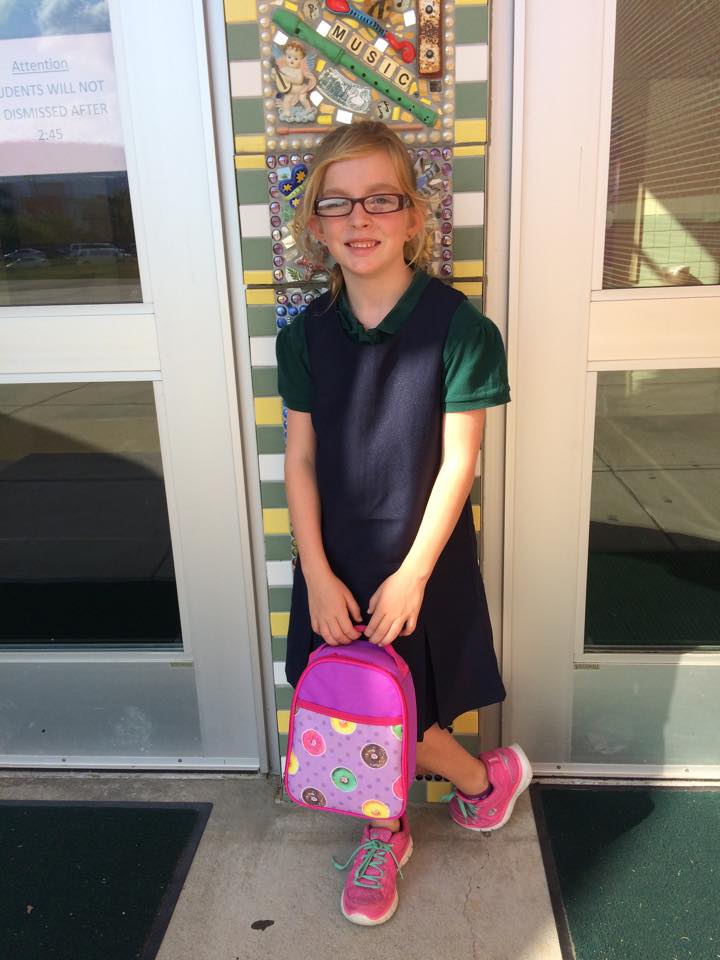
Second-grader Perrin Grymes likes taking her lunch to school.
There’s no surprises about what she’ll be served, and she knows the lunch her parents packed in her lunchbox is something she’ll eat. And the best part, according to her parents, Philip and Jenn Grymes of Chattanooga, is that everything their little girl consumes at school is healthy.
“We know proper nutrition is very important for developing a healthy mind and body,” Jenn Grymes says. “I had a job as a tutor after grad school and learned that water is essential for optimal brain function. The Learning Foundation used the P.A.C.E. (Processing and Cognitive Enhancement) program for tutoring and the first step each day was have the child drink a glass of water.”
Pamela Kelle, a registered dietitian and nutrition therapist in Chattanooga, agrees that a healthy lunch is necessary for a child’s performance, alertness and energy.
“But it’s more than that,” she says. “Food is socialization at an early age. It brings a touch of home, family and security to children, providing something sweet and comforting in a hectic and sometimes stressful day.”
Parents should come up with creative ideas when packing school lunches for their youngsters, she says.
“Don’t be limited to traditional lunchbox options if your child is open to some creative ideas,” Kelle says. “Raw veggies can be fun and filling. Examples could be cole slaw, salads with protein fixings in separate containers; potato or pasta salads; cold bean salads or corn salads; traditional veggies such as carrots, celery and pickles. Include salsa, ranch or hummus for dipping.”
Kelle also suggests alternating bread choices for sandwiches.
“Use different types of breads for delivery of protein – tortilla wraps, English muffins, pita pockets, flat breads, French bread. Hot dog or hamburger buns can make a boring turkey sandwich seem brand-new.
“Don’t forget the mustard and veggies that top a sandwich (maybe in plastic wrap to keep from getting soggy),” Kelle says. “Any cold meat can work for lunch as long as you keep it cold.”
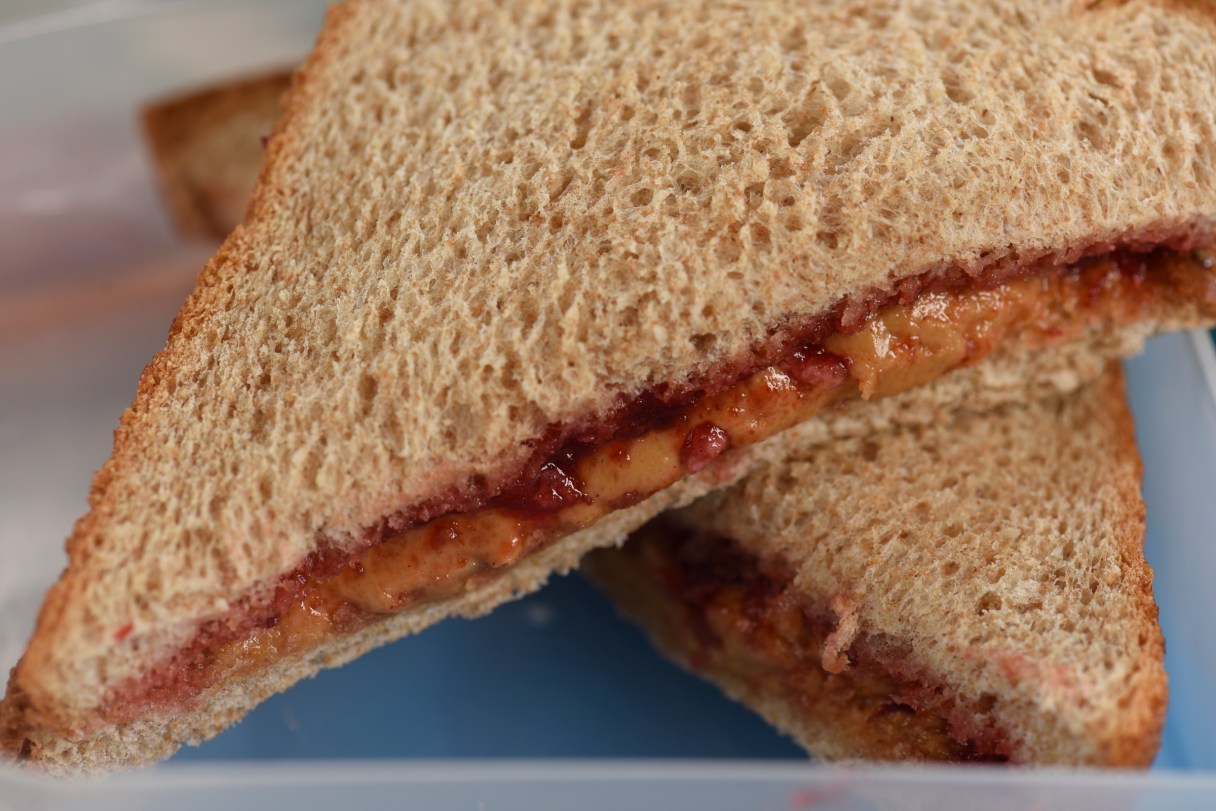
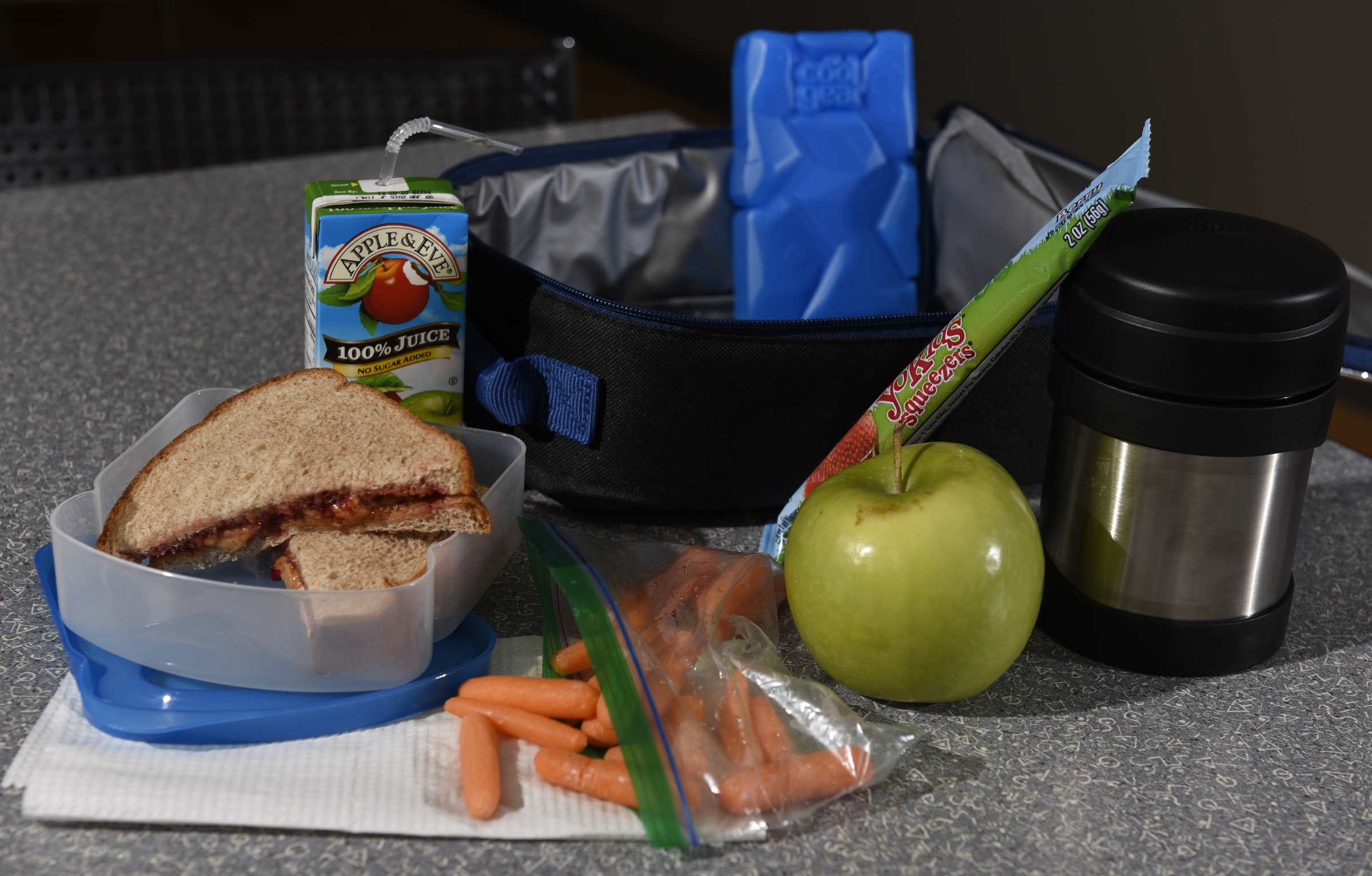
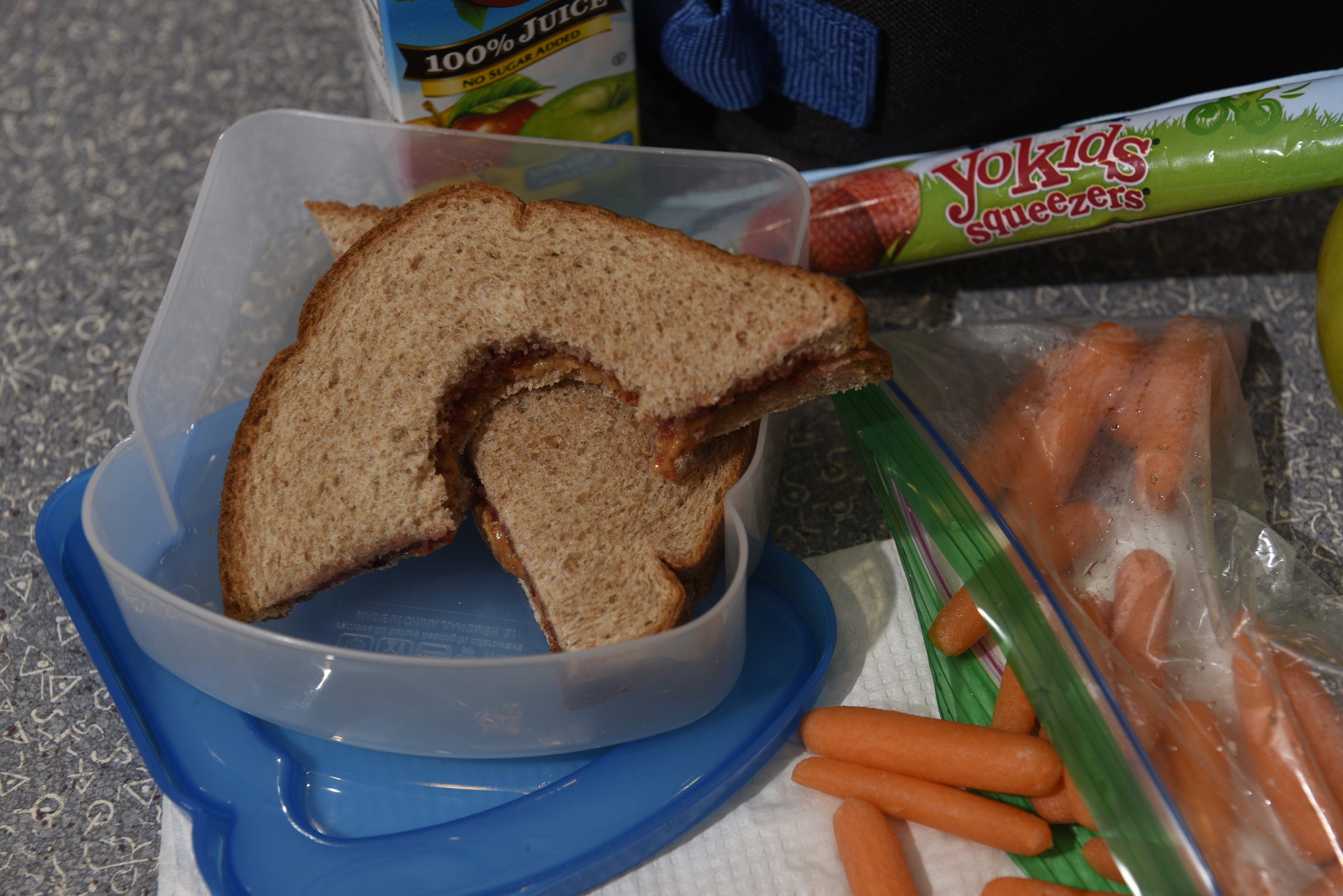
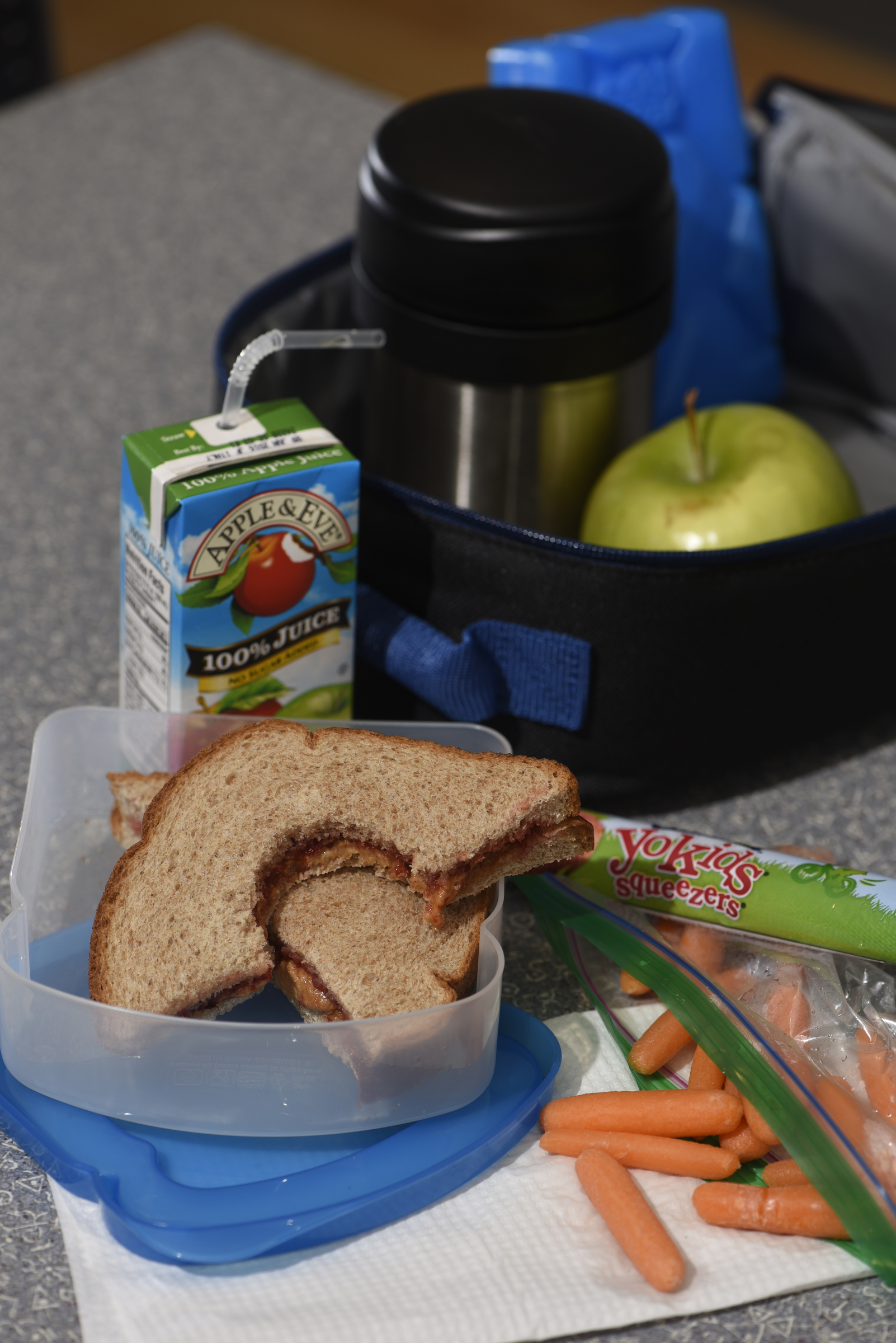
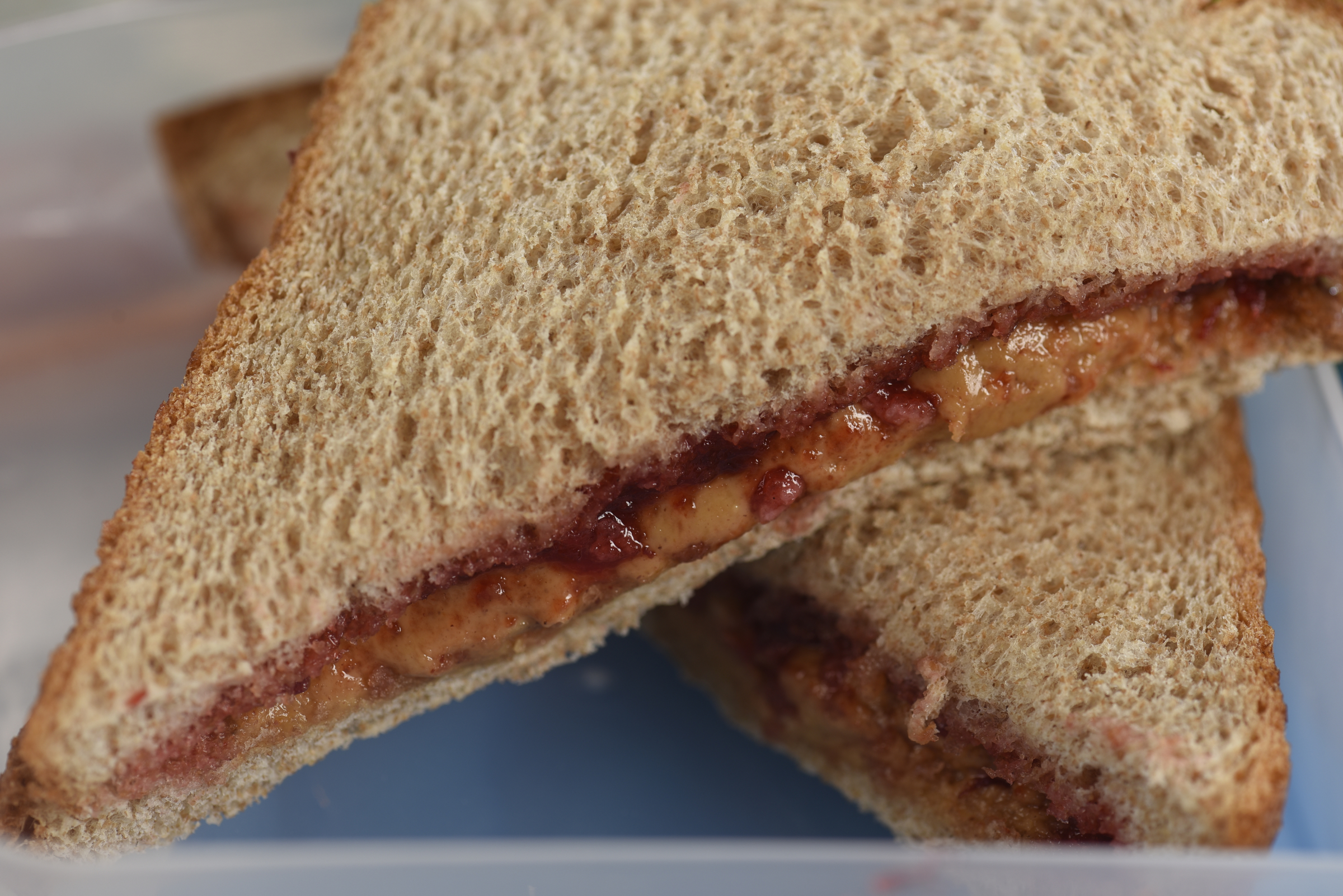
Grymes says her daughter’s typical lunch consists of a peanut butter and jelly sandwich but with added extras.
“We always use whole-wheat bread or spinach tortillas for her sandwich or wrap. We use low-sugar jelly and natural peanut butter. We try to include a piece of fresh fruit, not the prepackaged cups,” she says.
“We often include organic baby carrots because Perrin loves them, and sometime we include organic yogurt.”
Not only do the Grymes make sure their daughter eats food that’s good for her, they make sure she drinks water as well, but sometimes they’ll include an Apple & Eve juice box, which is 100 percent juice with no sugar added.
With those foods on the menu, “she most always wants to take her lunch,” Grymes says.
Kelle says she encourages her clients to involve children in meal planning and packing their school lunches. Ask the children questions about lunch, she says.
“What time is their lunch? How much time do they have to eat? What do the other children bring? Do they have time to finish their meal? Who do they eat with? How hungry are they at meal time?” she says.
And, she says to parents, a cookie or two in the lunchbox is fine.
“A favorite cookie can make all the difference to a boring lunch. Maybe pick a couple days a week where dessert is included and the other days send fruit and/or yogurt.
“There are more problems with children getting the wrong idea about sugar by refusing to allow it,” she says. “Trust me, these are the children who learn to sneak and hide sweets and develop the notion of guilt and shame around food.”
Parents also should have a conversation with their children about moderation when it comes to food because that will affect their entire lives.
“Food memories from childhood are a strong drive in adult behavior.”
Contact Karen Nazor Hill at khill@timesfreepress.com or 423-757-6396.