
WASHINGTON (AP) – Internal documents released late Friday show managers at the U.S. Environmental Protection Agency were aware of the potential for a catastrophic “blowout” at an abandoned mine that could release “large volumes” of wastewater laced with toxic heavy metals.
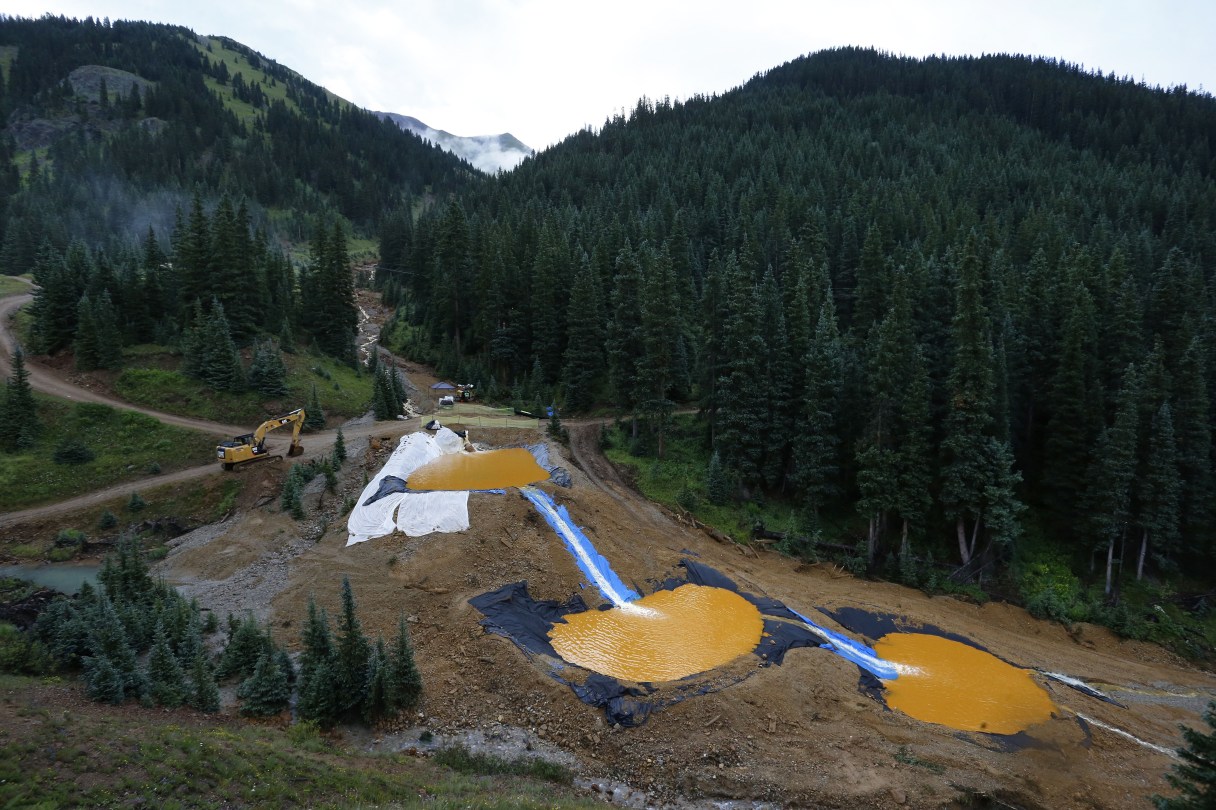
EPA released the documents following weeks of prodding from The Associated Press and other media organizations. EPA and contract workers accidentally unleashed 3 million gallons of contaminated wastewater on Aug. 5 as they inspected the idled Gold King Mine near Silverton, Colorado.
Among the documents is a June 2014 work order for a planned cleanup that noted that the old mine had not been accessible since 1995, when the entrance partially collapsed. The plan appears to have been produced by Environmental Restoration, a private contractor working for EPA.
“This condition has likely caused impounding of water behind the collapse,” the report says. “ln addition, other collapses within the workings may have occurred creating additional water impounding conditions. Conditions may exist that could result in a blowout of the blockages and cause a release of large volumes of contaminated mine waters and sediment from inside the mine, which contain concentrated heavy metals.”
A subsequent May 2015 action plan for the mine also notes the potential for a blowout.