
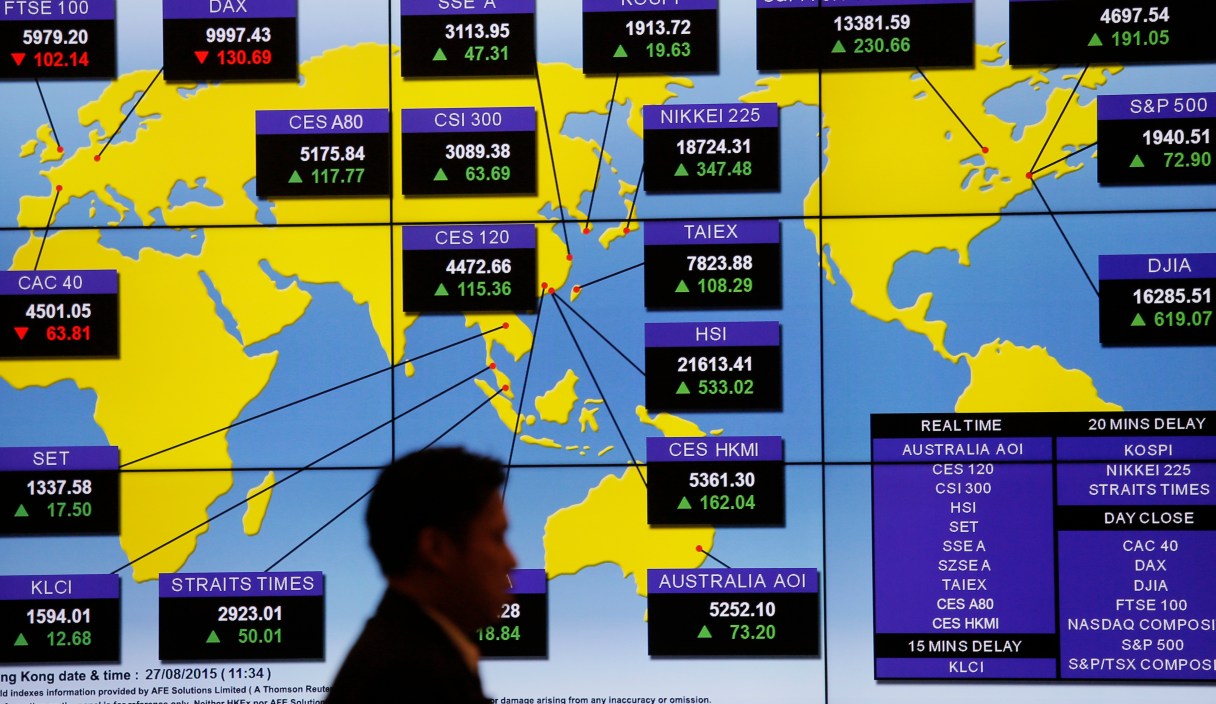
NEW YORK (AP) – If you think investors in U.S. stocks have had it rough, consider the hapless folks who followed Wall Street’s advice to buy emerging market stocks.
The MSCI Emerging Market index has lost 25 percent over the past year, while the mostly widely held U.S. fund, the Vanguard Total Stock Market index, is down less than 1 percent.
After the financial crisis, plowing money into emerging markets seemed like a sure bet. China was gobbling up raw materials from Brazil, Indonesia and Russia, and their stock markets were soaring. Wall Street cranked up its marketing machine, creating 246 funds to ride the boom.
“Whatever is hot, Wall Street will race out with new products to catch the investor’s eye,” says Larry Swedroe, head of research at Buckingham Asset Management. The blitz worked. In the five years through 2013, investors poured $104 billion into emerging-market stock funds, more than quadruple the amount of money in these funds.
Now, in classic fashion, investors are reversing course: They’ve yanked $40 billion from emerging-market stocks this year, a record pace of withdrawals, as a slowdown in China has hammered companies that supply raw materials. But the selling has also created real value, some savvy investors say. It costs half as much to buy a dollar of earnings from emerging market companies now than it does to buy a dollar of earnings from U.S. companies.