
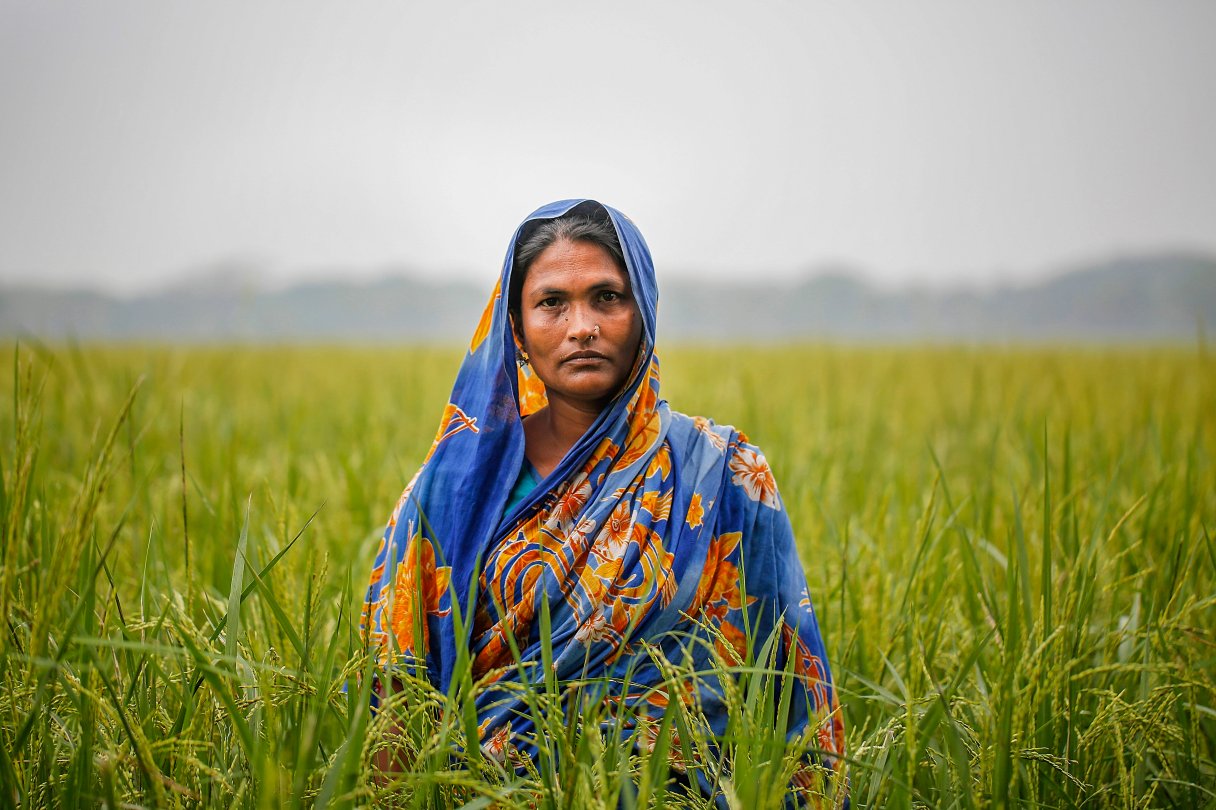
NEW DELHI (AP) – Farmer Ajmad Miyah has given up on ever settling down again. Three years after the sea swallowed his home on the Bangladeshi coast, he still has no property or possessions, and survives by tilling other people’s fields in exchange for food.
“I’ve accepted that this is reality,” the lean, 36-year-old Miyah said in the island district of Bhola, where the Meghna River spills into the Bay of Bengal. “My house will always be temporary now, like me on this Earth.”
At least 19.3 million people worldwide were driven from their homes by natural disasters last year – 90 percent of which were related to weather events, according to the Geneva-based Internal Displacement Monitoring Center.
Most have stayed within their own countries, including millions displaced in the South Asian delta nation of Bangladesh. But as their numbers rise, more will feel compelled to cross international borders in search of safe haven. They could end up in a state of a legal limbo with no rights or guaranteed help.
A study in November suggested 470 million to 760 million people worldwide could lose their land to rising seas in this century if global warming is allowed to continue unchecked. The study, by the nonprofit research and news organization Climate Central, looked at global population data and sea rise projections.