
Tuesday, November 3, 2026Nov 3

This story is free to read.

Beijing’s red alert for smog requires a 3-day forecast

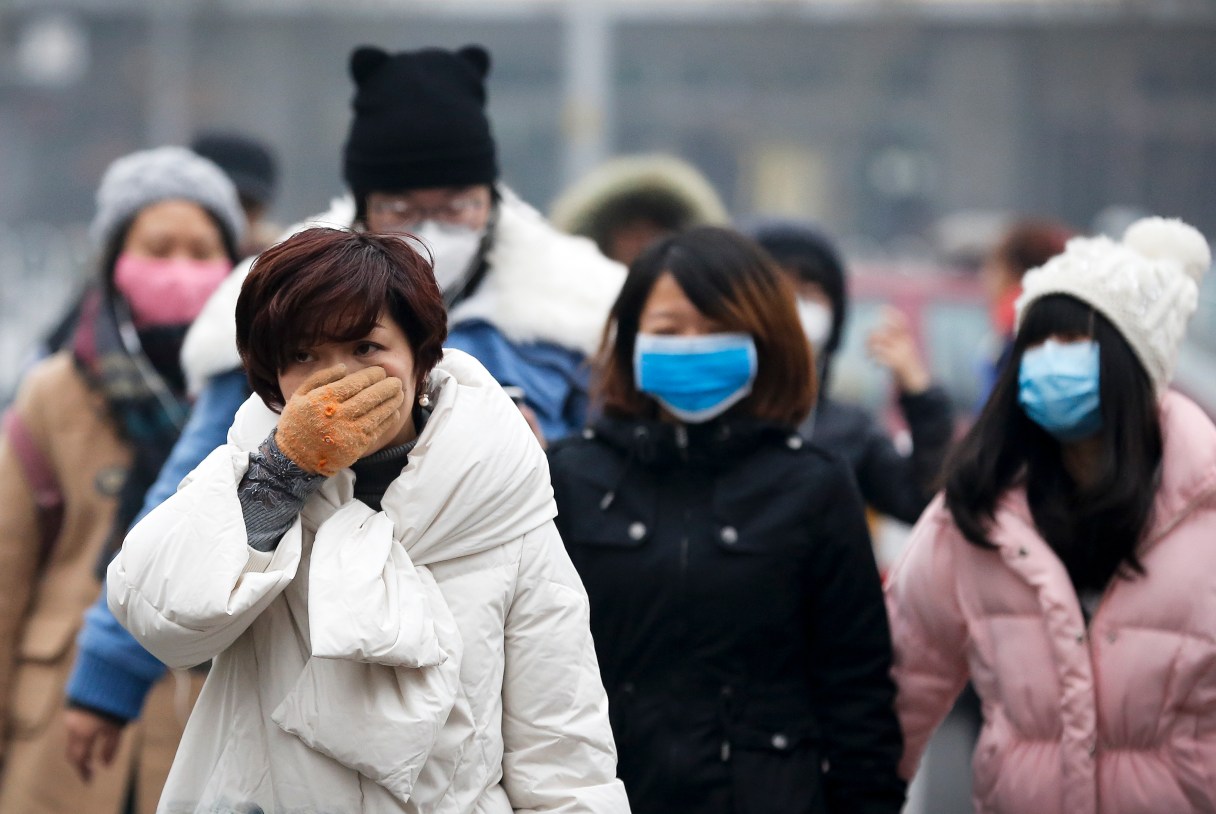
A woman uses her hand to cover her face from pollutants as people walk along a street on a polluted day in Beijing, Tuesday, Dec. 8, 2015. Schools closed and rush-hour roads were much quieter than normal as Beijing’s first-ever red alert for smog took effect Tuesday, closing many factories and invoking restrictions to keep half the city’s vehicles off the roads. (AP Photo/Andy Wong)
A woman uses her hand to cover her face from pollutants as people walk along a street on a polluted day in Beijing, Tuesday, Dec. 8, 2015. Schools closed and rush-hour roads were much quieter than normal as Beijing’s first-ever red alert for smog took effect Tuesday, closing many factories and invoking restrictions to keep half the city’s vehicles off the roads. (AP Photo/Andy Wong) A woman uses her hand to cover her face from pollutants as people walk along a street on a polluted day in Beijing, Tuesday, Dec. 8, 2015. Schools closed and rush-hour roads were much quieter than normal as Beijing’s first-ever red alert for smog took effect Tuesday, closing many factories and invoking restrictions to keep half the city’s vehicles off the roads. (AP Photo/Andy Wong)

BEIJING (AP) – Beijing’s red alerts for smog are as much about duration as they are about severity of pollution forecasts.

The forecasting model must predict three or more days of smog with levels of 300 or higher on the city’s air quality index – which typically would include having levels of dangerous PM 2.5 particles of about 10 times the safe level. A forecast of even higher pollution, but lasting only two days, would not trigger the alert.

The city this week issued its first red alert – the highest of four levels – under a 2-year-old system that triggers factory shutdowns, school closures and traffic restrictions.

Beijing previously has seen stretches of such severe smog lasting more than three days. However, those had initially been forecast to last less than 72 hours, so they did not trigger a red alert, even though the heavily weather-dependent forecasts were later updated to extend for the period.