
Monday, November 16, 2026Nov 16

Are slaves peeling your shrimp? Here’s what you need to know

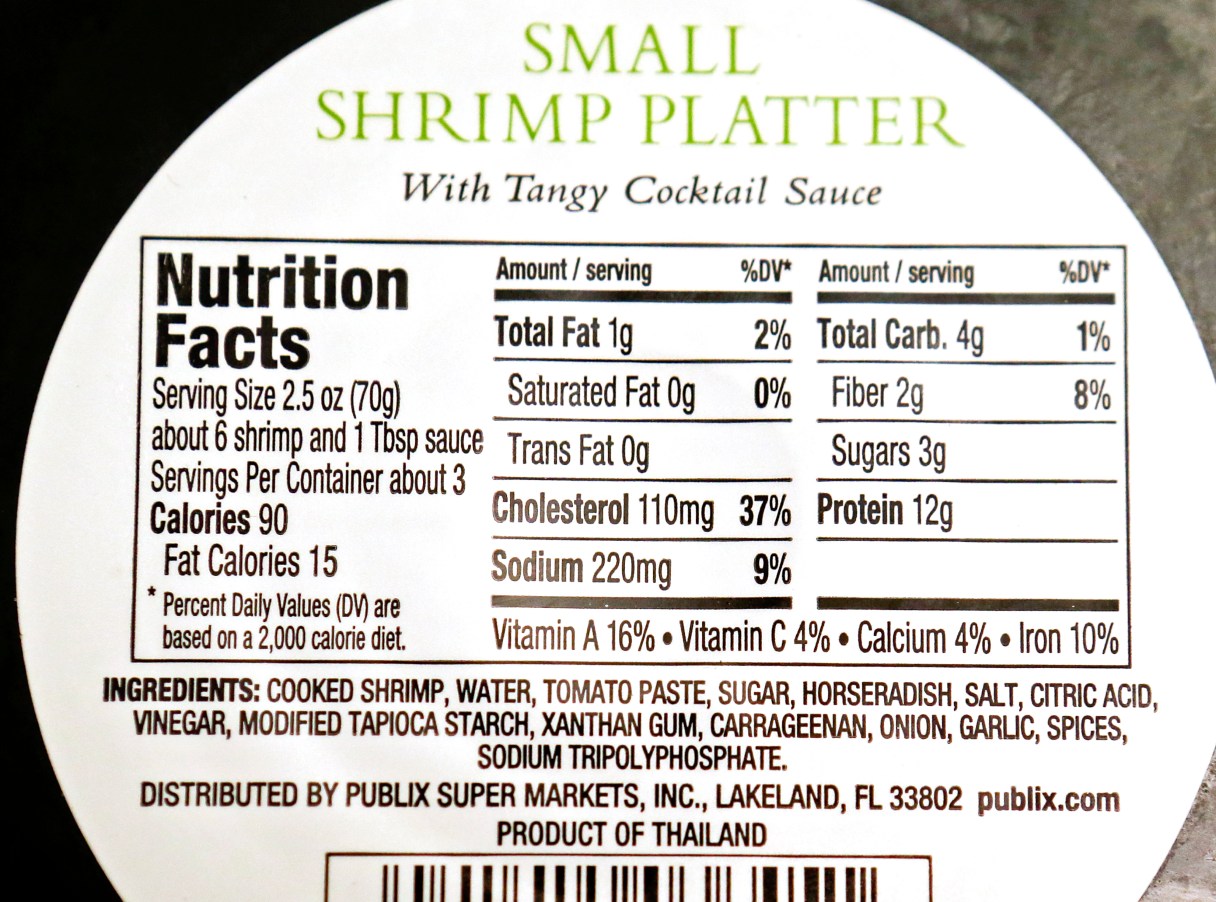
This Monday, Nov. 16, 2015 photo shows the back label of a Publix brand shrimp cocktail platter, a product of Thailand, purchased in Orlando, Fla. In November 2015, AP journalists followed and filmed trucks loaded with freshly peeled shrimp going from the Gig Peeling Factory in Samut Sakhon, Thailand to major Thai exporting companies, and then tracked it globally. They also traced similar connections from another factory raided six months earlier and interviewed more than two dozen workers from both sites. The shrimp made its way into the supply chains of major food stores and retailers in all 50 U.S. states. (AP Photo/John Raoux)

SAMUT SAKHON, Thailand (AP) – An Associated Press investigation found enslaved migrant workers and children ripping the heads, tails, shells and guts off shrimp at processing factories in Thailand.

AP journalists followed and filmed trucks loaded with freshly peeled shrimp going from one peeling shed to major Thai exporting companies. Then, using U.S. customs records and Thai industry reports, they tracked it globally. They also traced similar connections from another factory raided six months earlier, and interviewed more than two dozen workers from both sites.

U.S. customs records show the farmed shrimp made its way into the supply chains of major U.S. food stores and retailers such as Wal-Mart, Kroger, Whole Foods, Target, Dollar General and Petco, along with restaurants such as Red Lobster and Olive Garden. AP reporters in all 50 states went shopping and found related brands in more than 150 stores across America.

The businesses that responded condemned the practices that lead to labor abuse, and many said they were launching investigations.

___