
 John Vile
We live life and read history. To all but the most cerebral among us, the former seems so much more real. With news every hour on the hour and constant talk shows to tickle our ears and incite our fears, the immediacy of the present can be overwhelming.
This political season appears to have upended conventional wisdom. A president sits in the White House serene in the knowledge that his last election is behind him. Barring some unforeseen catastrophe or her party’s embrace of socialism, Hillary Clinton appears assured of her party’s nomination. Meanwhile a host of Republicans, sensing popular discontent with present policies, continue their quest for the presidency.
Although two former governors (Rick Perry and Bobby Jindal) and one sitting governor (Scott Walker) have dropped out, a governor and long-serving member of Congress (John Kasich), another sitting governor (Chris Christie), two former governors (Jeb Bush and Mike Huckabee), five current or former U.S. senators (Marco Rubio, Ted Cruz, Lindsey Graham, Rick Santorum and Rand Paul), and a former executive (Carly Fiorina) remain. Still, for months, the polls have been dominated by two men with no elected governmental experience, a retired neurosurgeon (Ben Carson) and a billionaire businessman (Donald Trump).
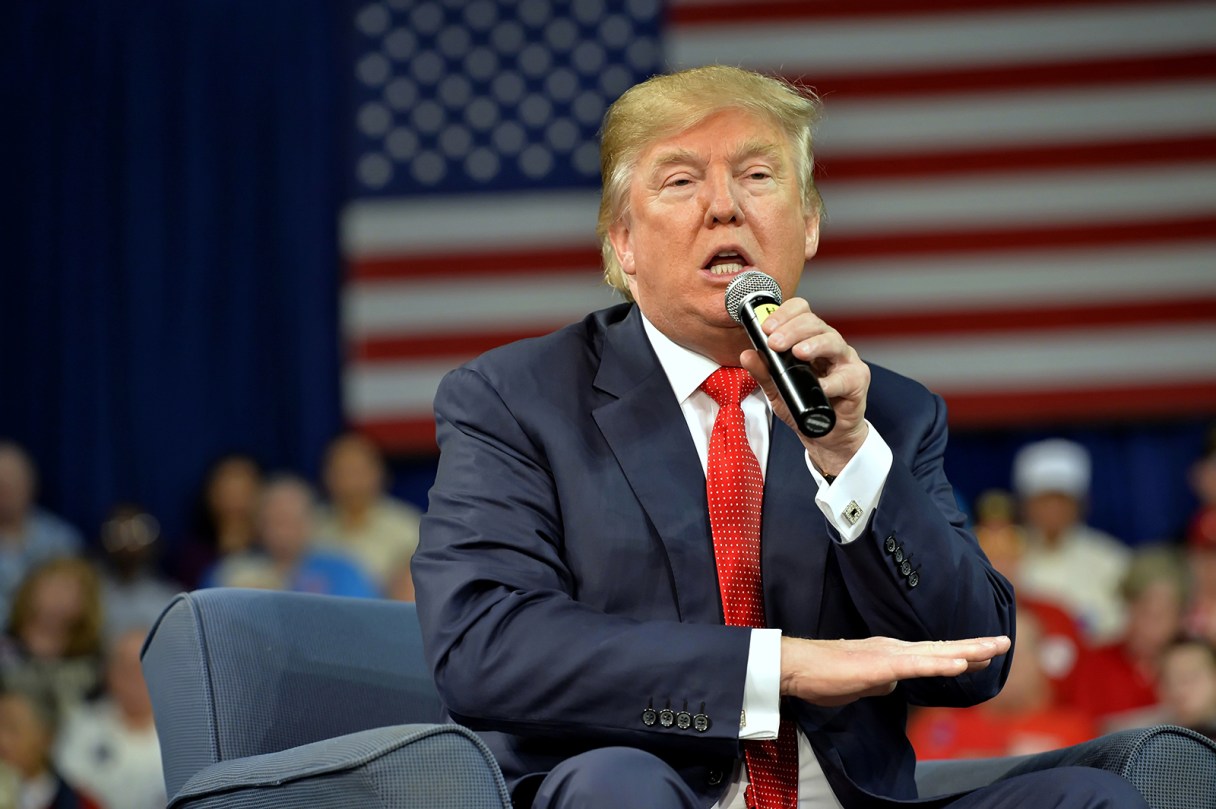
Carson’s star appears to be fading, but Trump’s larger-than-life candidacy (like his insatiable ego) poses a greater challenge. Although now repudiated by the Republican speaker of the House of Representatives and most other candidates for his inflammatory rhetoric that has branded Mexican immigrants as murderers and rapists, a Fox commentator as undeserving of respect, a former Republican candidate and POW as a “loser,” and all Muslims as potential terrorists, he continues to ride high despite conventional wisdom.
This is a fearful time in history. Russian aggression in Eastern Europe, military reverses in the Middle East, fears that Iran may acquire nuclear weapons and that North Korea already has them, a dramatic increase in the number of refugees, and terrorist attacks in Paris, Colorado Springs and San Bernardino are reminders that the world is a dangerous place.
Dangers often incite our fears, but they can also summon our best. George Washington stepped up to threats against American liberties in 1776, James Madison responded to the disintegration of the Articles of Confederation, Abraham Lincoln stepped forward to save the Union and free the slaves, Woodrow Wilson and Franklin D. Roosevelt provided leadership in two world wars, with the latter reminding us that “we have nothing to fear but fear itself.”
Amid our current crises, Trump follows the path of the Know Nothing Party of 1855 and denigrates American leaders, American institutions and American values. But Trump is not our president and never will be unless we elect him. Never before has the wisdom of a long election season been more apparent.
Facing the nation’s first challenge to the First Amendment in the notorious Alien and Sedition Acts, Vice President Thomas Jefferson wrote a letter in which he opined that “a little patience, and we shall see the reign of witches pass over, their spells dissolve, and the people, recovering their true sight, restore their government to its true principles.”
Trump is stirring the witches’ pot, warning of toil and trouble, but the better angels of our nature remind us that America was founded on the principle that “all men are created equal,” that our government is not based on the rule of a demagogue but a government “of the people, by the people, and for the people,” and that we remain the world’s best hope when we build on our values and press forward with courage and hope.
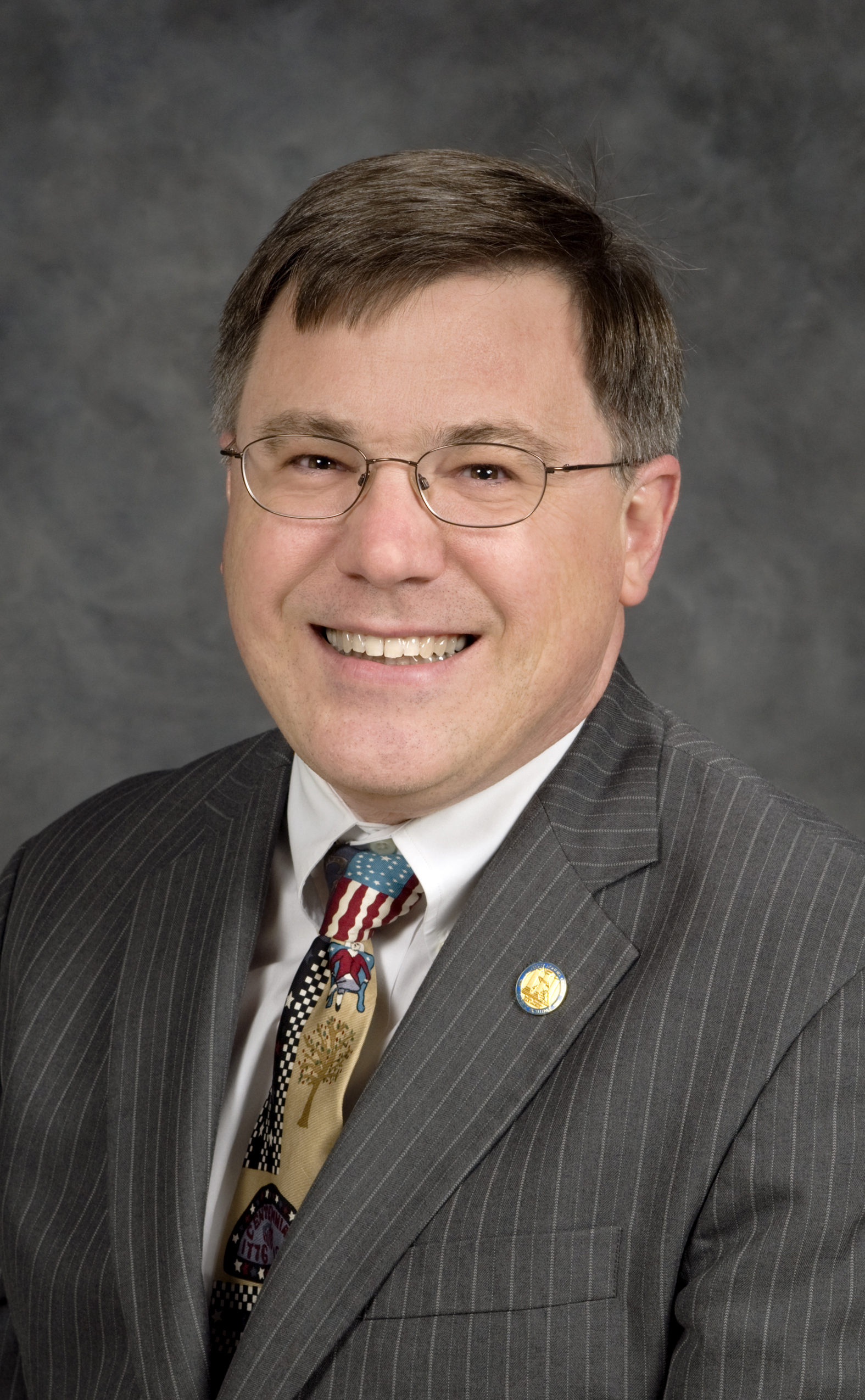
John Vile is a professor of political science and dean of the University Honors College at Middle Tennessee State University.