
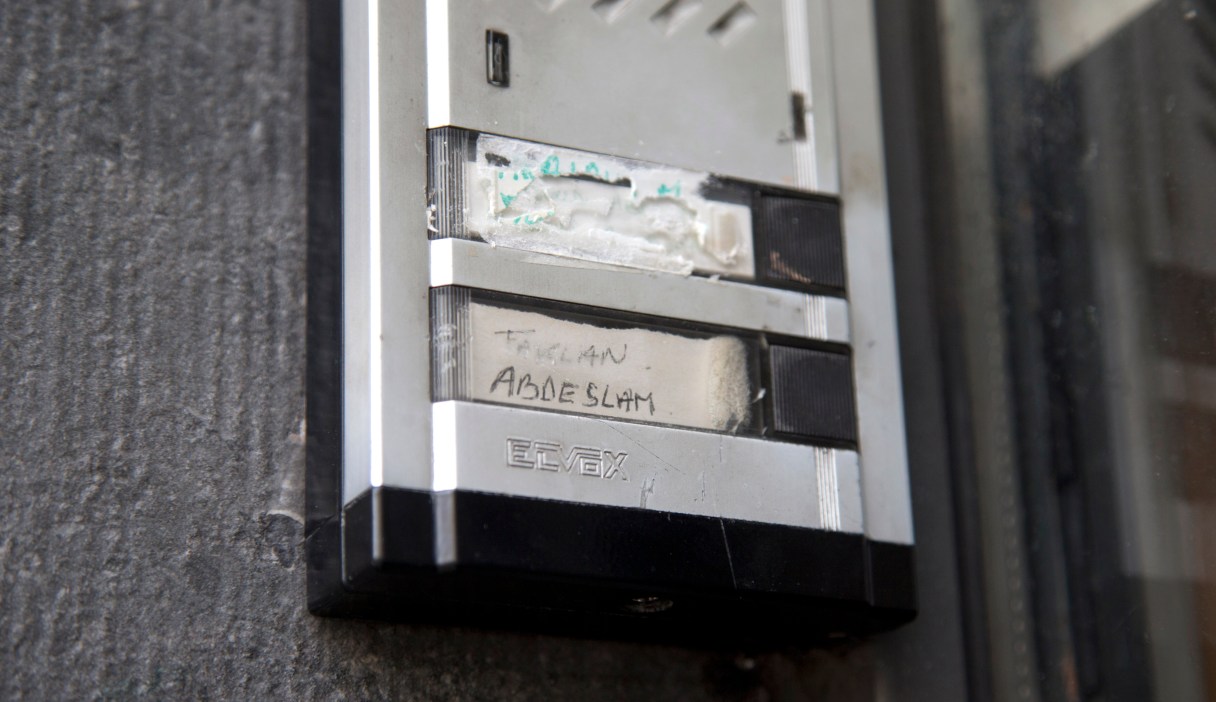
BRUSSELS (AP) – Brahim Abdeslam seemed no different from his peers in Molenbeek, one of Belgium’s poorest districts, where drug use is rife and many of the young men are unemployed. One November evening, he passed the time smoking pot in a parked car with two of his friends.
But the next day, Abdeslam drove to Paris, and on Nov. 13 he blew himself up outside a cafe on Boulevard Voltaire, part of the wave of attacks claimed by the Islamic State group that killed 130 people.
The Molenbeek district of Brussels was home to a core number of the participants in the Paris attacks: its reported architect, Abdelhamid Abaood; Abdeslam; his brother, Salah, who escaped and remains at large; and three others. Another suicide bomber in the attacks, Bilal Hadfi, hailed from a similar district in the Belgian capital. Moreover, those involved in at least two previous attacks – the foiled shooting on a French train and an attack on the Jewish Museum in Belgium that killed four – had links to Molenbeek.
Home to generations of immigrants and Belgians of North African descent, Molenbeek feels like a dead end for many of its youth, residents say. With few opportunities, they feel neglected by authorities and rejected by the rest of Belgian society – giving an opening for radicals to seek recruits.
“We are now well into the fourth generation of migrants,” said Sheikh Mohammed Tojgani, the imam of Molenbeek’s main mosque, al-Khalil. “Now even children realize one way or another that they are marginalized and that they are encountering racism. And when older ones look for work, they are not given many opportunities.”