
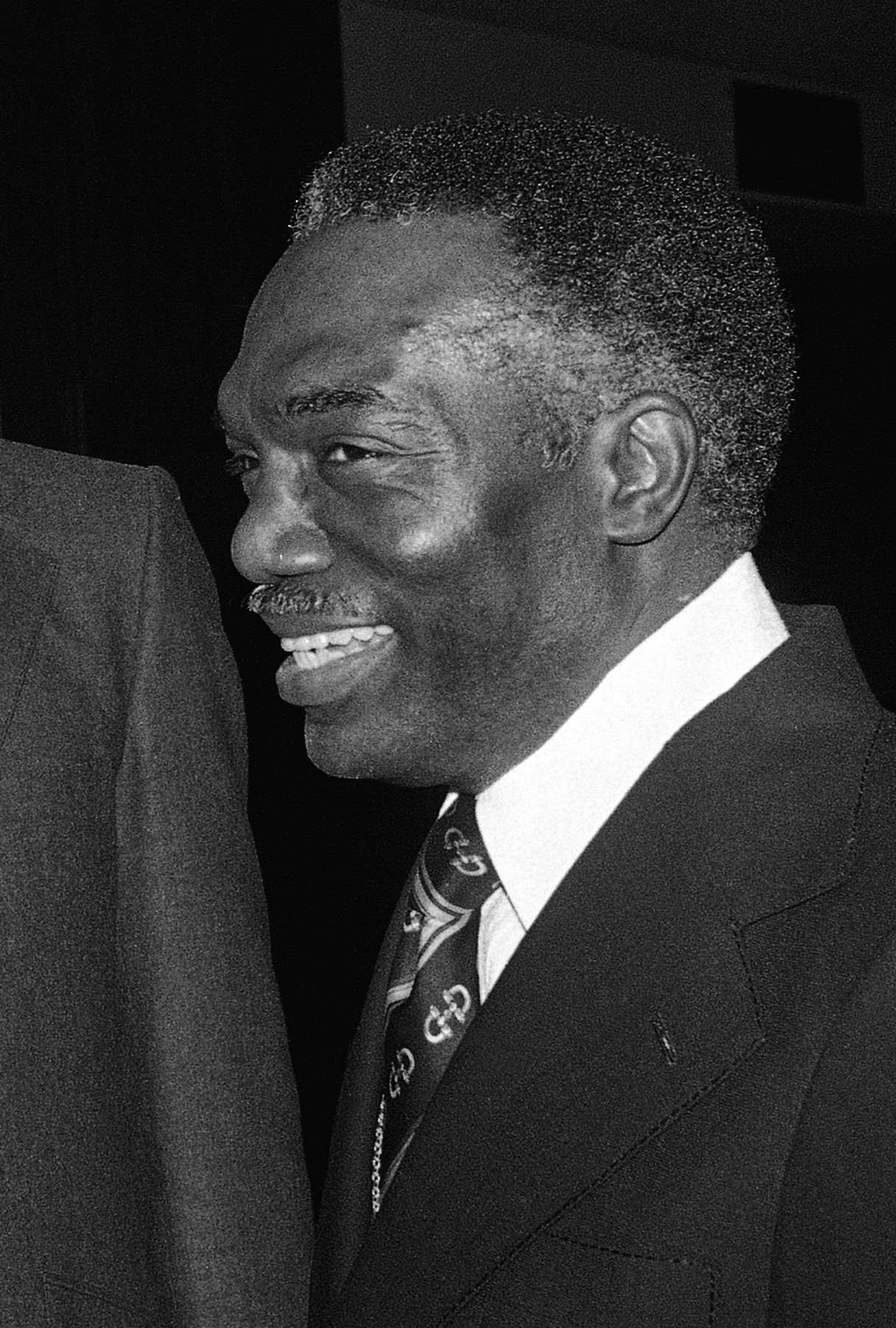
WASHINGTON (AP) – Walter Leonard, an attorney and university administrator who designed an admissions process at Harvard University that led to more minority students being admitted, has died. He was 86.
Leonard died Dec. 8 in Kensington, Maryland, of complications from Alzheimer’s disease, said his wife, Betty Leonard. The couple lived in Chevy Chase, Maryland.
In 1971, Leonard was named as a special assistant to Harvard president Derek Bok. Leonard had already worked as an assistant dean and assistant director of admissions at Harvard Law School, where he was credited with increasing the number of black, Latino and female students.
The admissions formula he created for the entire university included race or ethnicity as one of many factors that could weigh in a prospective student’s favor. The affirmative-action policy was emulated by other universities and has survived four decades of constitutional scrutiny. However, similar policies at the University of Texas are currently under review by the Supreme Court.
At the time Leonard crafted the policy at Harvard, the university was in danger of not meeting federal standards for admission of minorities. Bok told Harvard Law Today that Leonard helped the university become more diverse both in its student body and on its faculty.