



If you go
› What: Amani ya Juu store with products made by women in Kenya, Uganda and Rwanda.› Where: 420 S. Willow St. (at Chamberlain Ave.) › When: Open this month 12-5 p.m. Monday-Saturday until Dec. 23. Closed to shoppers Dec. 24 to Jan. 7. › To order online: amaniafrica.org.› Phone: 423-531-6496
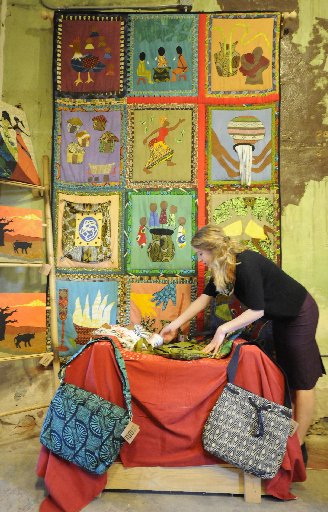
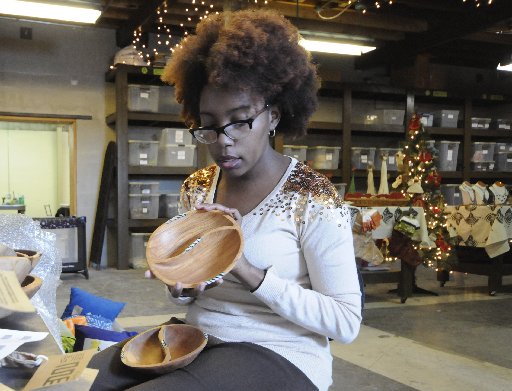
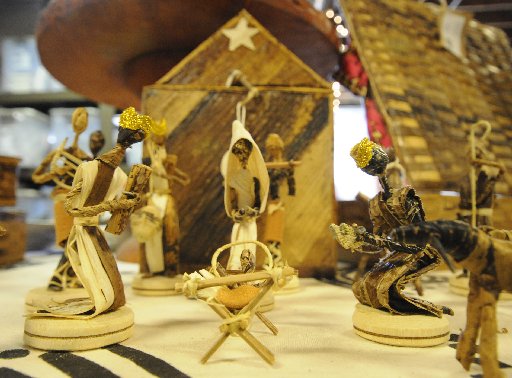
The delicate Nativity scene made from banana leaves folded origami style, the sparkling jewelry, clothes and art in Chattanooga’s Amani ya Juu store are created by women in Kenya, Uganda and Rwanda.
And, while some Americans complain about the hassle of getting to their jobs in the morning or the dreariness of the job itself, these African women literally risk their lives for their work.
In Kenya’s congested capitol Nairobi, they buy a 10-cent ride on a matatu – vans painted neon lime, lemon, raspberry or copper and embellished with pop icons Bob Marley, rapper Rakim, “Empire” TV star Taraji Henson and James Bond embodied by Daniel Craig. Drivers routinely break all known traffic laws to get through crammed, chaotic streets. But the scariest obstacles are car bombs that terrorists often plant along their routes.
“Our greatest concerns are security and terrorism. Gone are the days when you were only worried about robbers or pickpockets,” says Gladys, a Nairobi Amani manager. “There are places we considered to be so safe – churches and schools. This has changed.”