
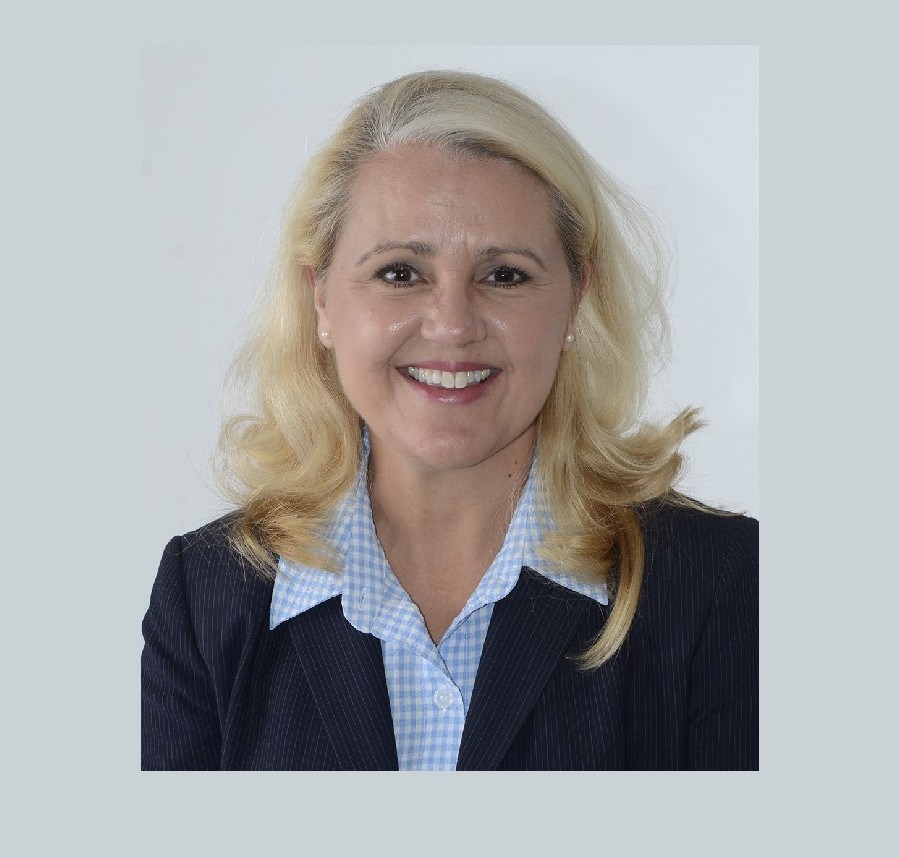
 Robin Smith
Fiscal conservatives consistently advocate the role of government to operate within its constitutional bounds to provide essential services.
At the federal level, those services involve national security, immigration enforcement, hopefully a declining role in education, major infrastructure such as roads, and regulation and oversight of industries, within reason.
At the state level, education, roads, utilities, public safety and some safety net services are key.
During the last decade, citizens have witnessed the national taxpayer-funded bailouts of banks, auto manufacturers, insurance companies, the mortgage and housing service industry and hundreds of other institutions. According to ProPublica online, 950 entities received $614 billion in taxpayer money to keep them afloat during the financial downturn that began in 2007.
Americans have seen deficit spending continue as the nation’s accounts get deeper and deeper in the red, to the tune of $18-plus trillion.
On the state level, Tennessee must balance its budget each year. It is no simple task to fund education, keep the roads paved and bridges safe, to operate a safety net of health care for the poor, and to encourage business development through low taxes and minimal regulation, just to name a few priorities.
According to the state’s own finance documents for 2014-2015, the state allocates “your tax dollar” in its budget following ways:
41 cents to education
30 cents to health and social services
10 cents to law, safety and correction
6 cents to transportation
6 ¢ents to cities and counties
3 cents to resources and regulations
2 cents to general government
2 cents to business and economic development
After this week’s special session for Insure Tennessee, Gov. Bill Haslam’s proposal to use federal taxes to expand the number of individuals who qualify for health care insurance under the Affordable Care Act, much of his State of the State address will discuss the budget for the next 12 months of operations.
Budget hearings were held at the end of 2014, with a call to cut up to 7 percent of each agency or division’s budget. As business people know, to balance a budget, priorities must be made along with difficult decisions.
Commissioner Douglas Varney of the Tennessee Department of Mental Health and Substance Abuse Services explained after his November budget hearing that “the use of community and faith-based organizations, which carry out the department’s mission better than state-run agencies would, helps to keep the state hospital costs down” in response to the anticipated $8.1 million in cuts for 2015.
The Department of Developmental and Intellectual Disabilities is expecting cuts to services that will affect Chattanooga families who use the Orange Grove Center to the tune of up to $1.6 million less in funding.
These two divisions care for those who cannot care for themselves.
Ghandi and others have often observed, “The true measure of any society can be found in how it treats its most vulnerable members.”
As a fiscal conservative, I object to taxpayer-funded bailouts, corporate welfare, taxpayer funding that operates entities that compete with private industry, and the fraud too many perpetrate to collect entitlements.
Yet, as our governments prop up one industry after another, spend tax dollars on initiatives that give enterprises an unfair advantage over a private business, and don’t blink to start new programs, the expectation of those who are intellectually and mentally disabled is to turn to the faith-based, nonprofit world is a stark and interesting contrast.
Spending priorities, indeed.
Robin Smith, immediate past chairwoman of the Tennessee Republican Party, is owner to RiversEdge Alliance.