
Saturday, November 14, 2026Nov 14

News Guide: FCC ‘net neutrality’ vote and what it means

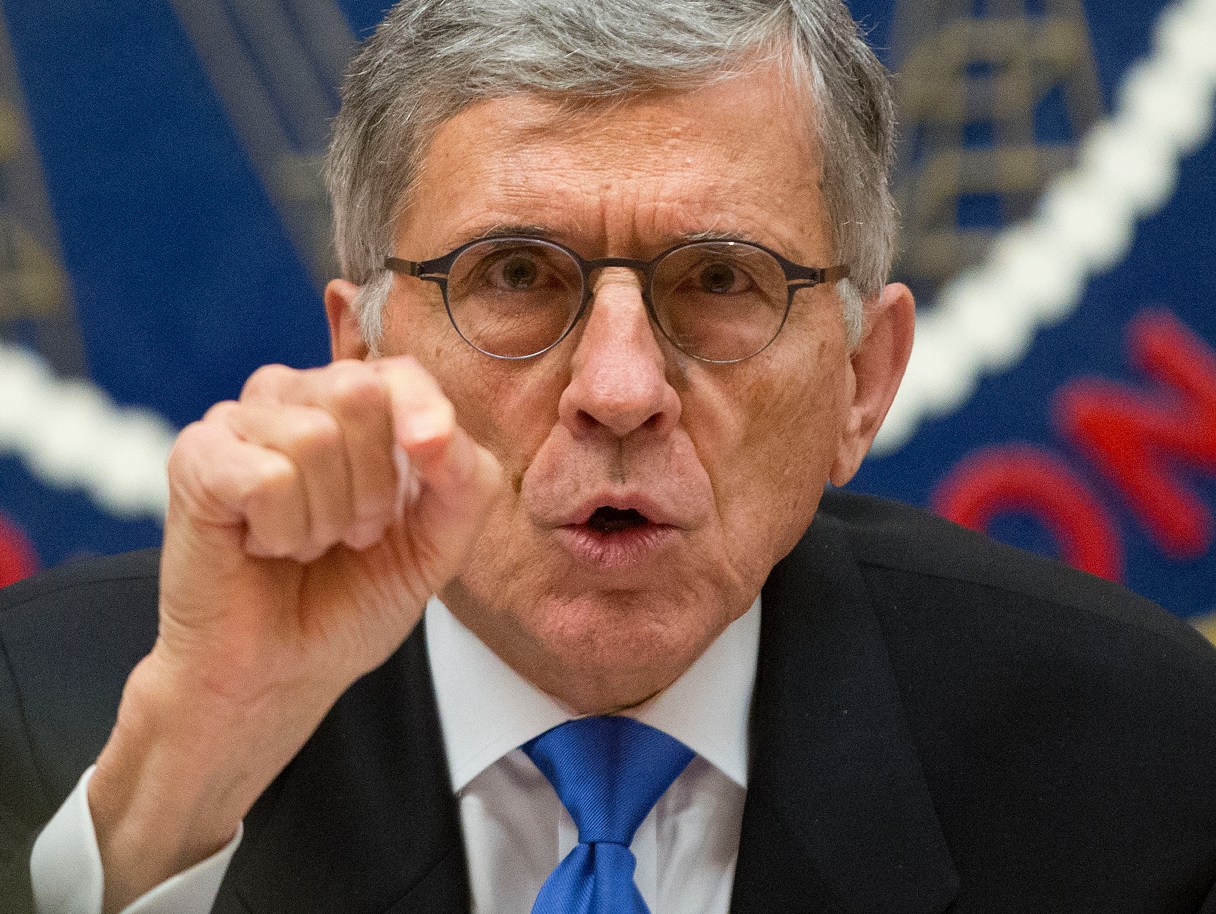
Federal Communications Commission (FCC) Chairman Tom Wheeler gestures near the end of a hearing for a vote on Net Neutrality, Thursday, Feb. 26, 2015, at the FCC in Washington. The FCC has agreed to impose strict new regulations on Internet service providers like Comcast, Verizon and AT&T. The regulatory agency voted 3-2 Thursday in favor of rules aimed at enforcing what's called "net neutrality." That's the idea that service providers shouldn't intentionally block or slow web traffic, creating paid fast lanes on the Internet. (AP Photo/Pablo Martinez Monsivais)

WASHINGTON (AP) – Internet activists scored a major victory after the Federal Communications Commission agreed to rules that would ban service providers from creating Internet fast lanes.

What “net neutrality” means and what is likely to happen next:

____

THE ISSUE

Net neutrality is the idea that Internet service providers won’t block or slow Web traffic, instead allowing all data to have equal access to its networks. That means you won’t be more inclined to watch a particular show on Amazon Prime instead of on Netflix because Amazon has struck a deal with your service provider to load its data faster.