
BAGHDAD (AP) – In the eyes of most Iraqis, their country’s best ally in the war against the Islamic State group is not the United States and the coalition air campaign against the militants. It’s Iran, which is credited with stopping the extremists’ march on Baghdad.
Shiite, non-Arab Iran has effectively taken charge of Iraq’s defense against the Sunni radical group, meeting the Iraqi government’s need for immediate help on the ground.
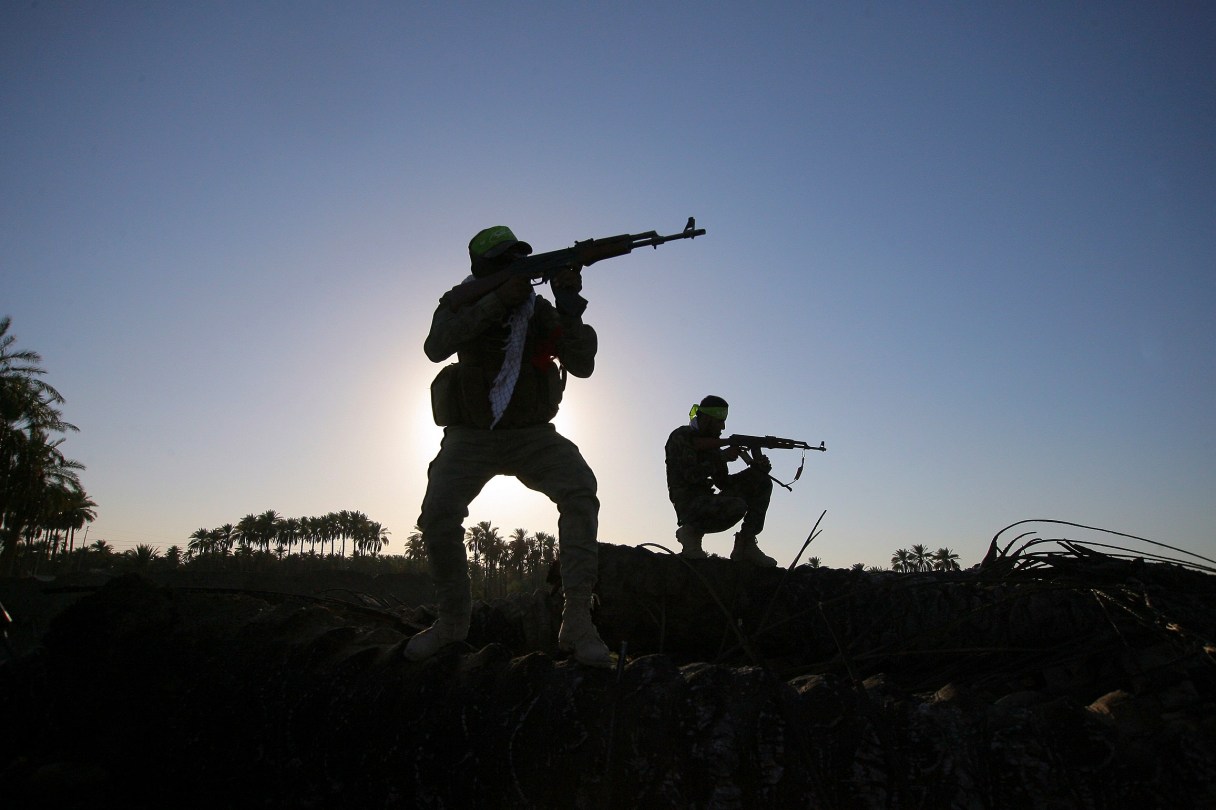
Two to three Iranian military aircraft a day land at Baghdad airport, bringing in weapons and ammunition. Iran’s most potent military force and best known general – the Revolutionary Guard’s elite Quds Force and its commander Gen. Ghasem Soleimani – are organizing Iraqi forces and have become the de facto leaders of Iraqi Shiite militias that are the backbone of the fight. Iran carried out airstrikes to help push militants from an Iraqi province on its border.
The result is that Tehran’s influence in Iraq, already high since U.S. forces left at the end of 2011, has grown to an unprecedented level.
Airstrikes by the U.S.-led coalition have helped push back the militants in parts of the north, including breaking a siege of a Shiite town. But many Iraqis believe the Americans mainly want to help the Kurds. Airstrikes helped Kurdish forces stop extremists threatening the capital of the Kurdish autonomous zone, Irbil, in August. But even that feat is accorded by many Iraqis to a timely airlift of Iranian arms to the Kurds.