
Friday, November 13, 2026Nov 13

Flu vaccine not working well; only 23 percent effective

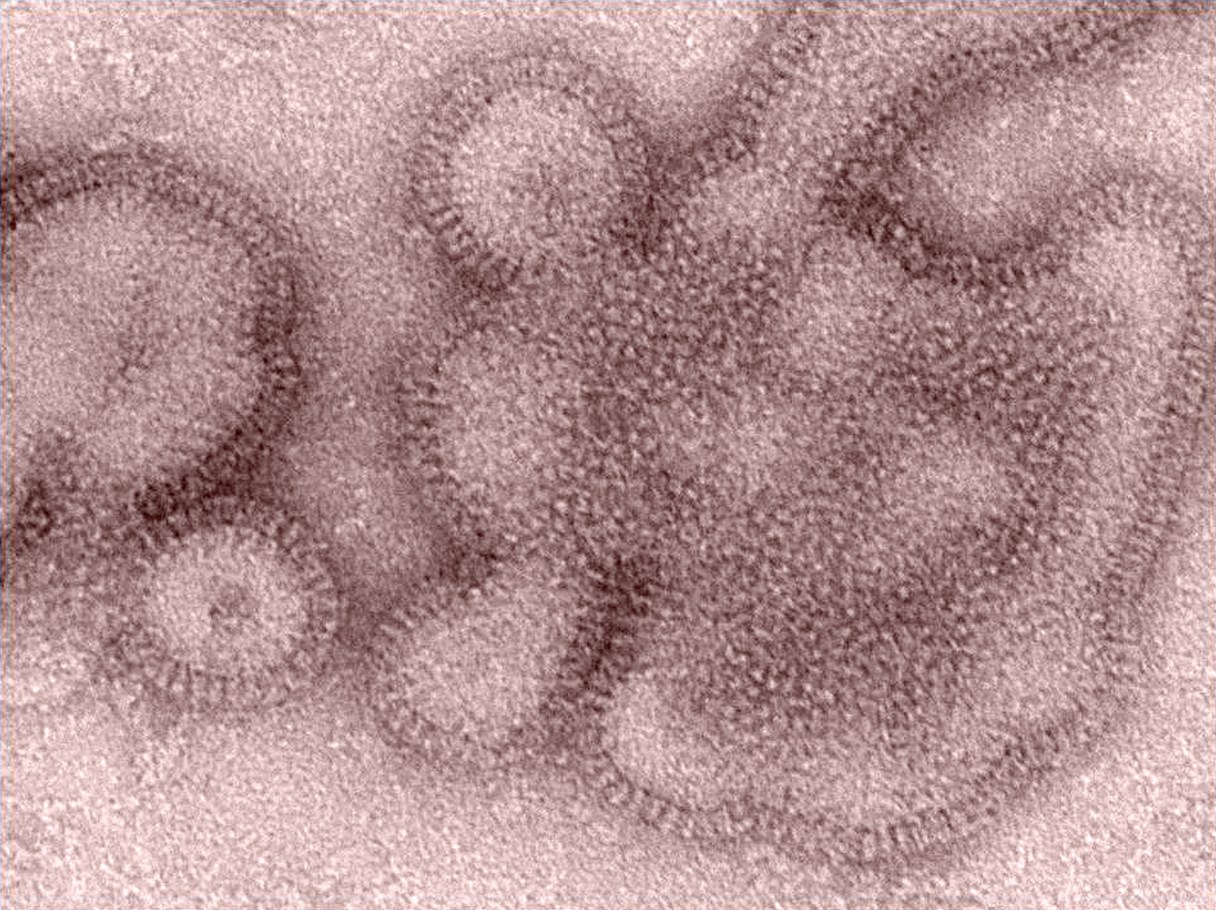
This 2011 image provided by the Centers for Disease Control and Prevention shows an H3N2 influenza virus _ the same type of flu that’s responsible for most flu illnesses this winter. A new study shows that this year's flu vaccine is only 23 percent effective, mainly because it isn’t well matched to the H3N2 strain that’s spread across the country. (AP Photo/Centers for Disease Control and Prevention, Dr. Michael Shaw, Doug Jordan)
This 2011 image provided by the Centers for Disease Control and Prevention shows an H3N2 influenza virus _ the same type of flu that’s responsible for most flu illnesses this winter. A new study shows that this year's flu vaccine is only 23 percent effective, mainly because it isn’t well matched to the H3N2 strain that’s spread across the country. (AP Photo/Centers for Disease Control and Prevention, Dr. Michael Shaw, Doug Jordan) This 2011 image provided by the Centers for Disease Control and Prevention shows an H3N2 influenza virus _ the same type of flu that’s responsible for most flu illnesses this winter. A new study shows that this year's flu vaccine is only 23 percent effective, mainly because it isn’t well matched to the H3N2 strain that’s spread across the country. (AP Photo/Centers for Disease Control and Prevention, Dr. Michael Shaw, Doug Jordan)

NEW YORK (AP) – As predicted, this year’s flu vaccine is doing a pretty crummy job. It’s only 23 percent effective, primarily because it doesn’t include the bug that is making most people sick, according to a government study released Thursday.

That’s one of the worst performances in the last decade, since U.S. health officials started routinely tracking how well vaccines work. In the best flu seasons, the vaccines were 50 to 60 percent effective.

“This is an uncommon year,” said Dr. Alicia Fry, a flu vaccine expert at the Atlanta-based Centers for Disease Control and Prevention, who was involved in the study.

The findings are not surprising. In early December, CDC officials warned the vaccine probably wouldn’t work very well because the it isn’t well matched to a strain that’s been spreading widely.

Each year, the flu vaccine is reformulated, based on experts’ best guess at which three or four strains will be the biggest problem. Those decisions are usually made in February, months before the flu season, to give companies that make flu shots and nasal spray vaccine enough time to make enough doses.